Astronomers Discover Icy Object 2026 ED138 Beyond Pluto
Further observations are needed to determine if the object qualifies as a dwarf planet.
AI-assisted coverage comparison, editor-supervised · How this was made
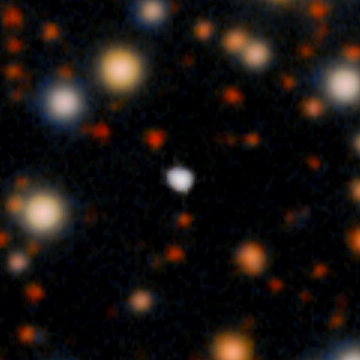
Photograph: NSF–DOE Vera C. Rubin Observatory/NOIRLab/SLAC/AURA Image Processing: M. Jurić (UW), D. de Martin & M. Zamani (NSF NOIRLab) via Wikimedia Commons (CC BY 4.0)
What this story says
- An icy object, designated 2026 ED138, has been discovered beyond Pluto by scientists using a telescope in Chile.
- The object's diameter is estimated to be between 600 and 1,500 kilometres.
- Further observations are required to confirm if 2026 ED138 meets the criteria for classification as a dwarf planet.
- If classified as a dwarf planet, 2026 ED138 would join Pluto, Ceres, Eris, Haumea, and Makemake.
Who covered it
Percentages are shares of the 89 outlets carrying a published leaning rating. 40 of the 129 outlets we know ran this story carry no rating and are not counted in them. Coverage measured .
Trust
39/100
Craft
60/100
Hype
15/100
129 sources · methodology
Scientists have identified an icy object, named 2026 ED138, orbiting the sun in a region beyond Pluto. The discovery was made using a telescope located in Chile. Initial estimates place the object's diameter between 600 and 1,500 kilometres. Further observations are necessary to determine if 2026 ED138 will be classified as a dwarf planet.
If classified as a dwarf planet, 2026 ED138 would become the sixth such celestial body in our solar system. The current list of known dwarf planets includes Pluto, Ceres, Eris, Haumea, and Makemake. The object's orbital path is approximately 46 times further from the sun than Earth's.
Object size estimates
Reports agree that the object 2026 ED138 is estimated to be between 600 and 1,500 kilometres in diameter. IMLebanon reported this range, stating it is "about 600 to 1,500 kilometres in diameter." The Hindu Business Line, WCVB, WMUR, Koco News5, WTAE, KCCI, WISN, KETV, WPTZ, KMBC, WBAL-TV, WMTW, WVTM, KOAT, WAPT, WPBF, WGAL, KSBW, WJCL, KHBS, MOR-TV, The Paintsville Herald, and Appalachian News-Express all carried this information without providing specific wording on the estimate.
What the coverage left out
None of the centre or right-rated digests mention the estimated distance of the object's orbit from the sun, which was reported as approximately 46 times further than Earth's orbit in the unrated IMLebanon digest.
Still developing. We have re-checked which outlets are covering this 2 times, most recently on 29 Oct 2026, 00:45, and will add the sides that appear.
How each side covered it
Our own reading of the reporting listed below, written from the outlets’ articles rather than quoted from them. The reasoning is set out on our methodology page.
Left
14 rated outlets
- Two left‑rated outlets gave a size estimate for the object. CBC and Delo reported that the icy body, named 2026 ED138, was discovered with the Vera C. Rubin Observatory in Chile and orbits roughly 46 astronomical units from the Sun. Both said its diameter is estimated between about 600 and 1 500 kilometres, placing it among the largest dwarf‑planet candidates.
- CBC quoted astrophysicist Matt Holman of the Harvard‑Smithsonian Center for Astrophysics, who first identified the candidate. Delo included remarks from Holman and from astronomer Mario Jurić of the University of Washington, with Jurić describing the find as a once‑per‑generation event. No direct quotations appear in the digests.
- The digests omitted methodological details such as the data‑mining program used by Holman and Kevin Napier, and they did not mention the archival image search that extended observations back to 2016. They also left out the reference to NASA’s upcoming Roman Space Telescope that appears in CBC’s report.
Centre
63 rated outlets
- Twenty-two centre-rated digests reported the discovery of an icy object beyond Pluto that could be a new dwarf planet. These digests stated that astronomers used the world's largest telescope to spot the object. They also noted that further observations are needed to determine its dwarf planet status. The Paintsville Herald and Appalachian News-Express digests mentioned that the object would join the five other known dwarf planets: Pluto, Ceres, Eris, Haumea, and Makemake.
Right
12 rated outlets
- The single right-rated digest reported that scientists spotted icy object 2026 ED138 beyond Pluto using Chile's Rubin Observatory. It stated that further observations will determine whether it qualifies as a dwarf planet.
Questions about this coverage
- How did the left and right cover Astronomers Discover Icy Object 2026 ED138 Beyond Pluto?
- Of the 89 outlets on this story carrying a published leaning rating, 16% are rated left, 70% are rated centre, 14% are rated right. Those percentages are shares of the rated outlets, not of every outlet that ran it, which was 129. The sections above set out what each side emphasised, in its own terms.
- Is Astronomers Discover Icy Object 2026 ED138 Beyond Pluto left or right?
- The story itself is neither. What can be counted is who has covered it, and 70% of the 89 rated outlets on it are rated centre — so far this is a story carried mostly by the centre. Coverage is still arriving and that can change, which is why the figure is dated rather than fixed.
- Is the coverage of Astronomers Discover Icy Object 2026 ED138 Beyond Pluto biased?
- Astronomers Discover Icy Object 2026 ED138 Beyond Pluto is one event reported by 129 outlets, and this page does not rate the story as biased or unbiased. What it publishes is the spread: which outlets ran it, where named rating organisations place each of them on the spectrum, and what each side chose to lead with. A leaning rating describes an outlet's record over time, not this article, and the two should not be run together.
- Which outlets covered Astronomers Discover Icy Object 2026 ED138 Beyond Pluto?
- 129 that we know of, every one of them listed further up this page with a link to its own report and to what we hold on the publisher. Nothing here is a summary of somebody else's summary: the outlets are named so the original reporting can be read.
- What is 2026 ED138?
- 2026 ED138 is an icy object discovered orbiting the sun beyond Pluto. Scientists are conducting further observations to determine if it meets the criteria to be classified as a dwarf planet.
- How large is 2026 ED138?
- The object 2026 ED138 is estimated to be between 600 and 1,500 kilometres in diameter. This size range is based on initial observations made by scientists using a telescope in Chile.
- What are the known dwarf planets?
- The known dwarf planets in our solar system are Pluto, Ceres, Eris, Haumea, and Makemake. If 2026 ED138 is classified as a dwarf planet, it would join this list.
Read it at the source
129 outlets, grouped by the leaning a published rating gives them. Every headline links to the original; an underlined outlet name opens our profile of that publisher.
Left
14- Rubin Observatory Discovers Possible New Dwarf Planet (opens Gizmodo in a new tab)
- New Vera C. Rubin telescope spots possible new dwarf planet beyond Pluto (opens CBC News in a new tab)
- Possible New Dwarf Planet Discovered in the Solar System (opens IndexHR in a new tab)
- Rubin Observatory May Have Just Found The Solar System's 6th Dwarf Planet, Hiding Just Beyond Pluto (opens IFLScience in a new tab)
IFLScience — is IFLScience biased? Our profile of this outlet
- Astronomers spot possible new dwarf planet beyond Pluto (opens The Laconia Daily Sun in a new tab)
The Laconia Daily Sun — is The Laconia Daily Sun biased? Our profile of this outlet
- Astronomers spot possible new dwarf planet beyond Pluto (opens Daily Post-Athenian in a new tab)
Daily Post-Athenian — is Daily Post-Athenian biased? Our profile of this outlet
- Scientists discover a never-before-seen potential dwarf planet in our solar system (opens CNN in a new tab)
- Astronomers Spot Mysterious Object Lurking Beyond Pluto (opens Futurism in a new tab)
Show 6 more
- 2026 ED138: Researchers Discover Possible New Dwarf Planet (opens Spiegel in a new tab)
- Astronomers Found a Mysterious Object Beyond Neptune (opens in.gr in a new tab)
- Scientists Find Possible Sixth Dwarf Planet Beyond Pluto After It Hid in Telescope Images for a Decade (opens IBTimes UK in a new tab)
IBTimes UK — is IBTimes UK biased? Our profile of this outlet
- Once-in-a-Generation Find: a Friend for Pluto (opens Newser in a new tab)
Newser — is Newser biased? Our profile of this outletOpinion
- New Dwarf Planet Discovered in the Solar System? (opens Delo in a new tab)
- The Vera C. Rubin Observatory may have just discovered our solar system’s sixth dwarf planet (opens Scientific American in a new tab)
Scientific American — is Scientific American biased? Our profile of this outlet
Centre
63- ‘It’s big’: Astronomers make startling discovery of a possible dwarf planet beyond Pluto (opens WYFF in a new tab)
- ‘It’s big’: Astronomers make startling discovery of a possible dwarf planet beyond Pluto (opens WXII in a new tab)
- ‘It’s big’: Astronomers make startling discovery of a possible dwarf planet beyond Pluto (opens WLWT in a new tab)
- ‘It’s big’: Astronomers make startling discovery of a possible dwarf planet beyond Pluto (opens WLKY in a new tab)
- ‘It’s big’: Astronomers make startling discovery of a possible dwarf planet beyond Pluto (opens WDSU in a new tab)
- ‘It’s big’: Astronomers make startling discovery of a possible dwarf planet beyond Pluto (opens KCRA 3 in a new tab)
- ‘It’s big’: Astronomers make startling discovery of a possible dwarf planet beyond Pluto (opens MOR-TV in a new tab)
- ‘It’s big’: Astronomers make startling discovery of a possible dwarf planet beyond Pluto (opens KHBS in a new tab)
Show 55 more
- ‘It’s big’: Astronomers make startling discovery of a possible dwarf planet beyond Pluto (opens WJCL in a new tab)
- ‘It’s big’: Astronomers make startling discovery of a possible dwarf planet beyond Pluto (opens KSBW in a new tab)
- ‘It’s big’: Astronomers make startling discovery of a possible dwarf planet beyond Pluto (opens WGAL in a new tab)
- ‘It’s big’: Astronomers make startling discovery of a possible dwarf planet beyond Pluto (opens WPBF in a new tab)
- ‘It’s big’: Astronomers make startling discovery of a possible dwarf planet beyond Pluto (opens WAPT in a new tab)
- ‘It’s big’: Astronomers make startling discovery of a possible dwarf planet beyond Pluto (opens KOAT in a new tab)
- ‘It’s big’: Astronomers make startling discovery of a possible dwarf planet beyond Pluto (opens WVTM in a new tab)
- ‘It’s big’: Astronomers make startling discovery of a possible dwarf planet beyond Pluto (opens WMTW in a new tab)
- ‘It’s big’: Astronomers make startling discovery of a possible dwarf planet beyond Pluto (opens WBAL-TV in a new tab)
- ‘It’s big’: Astronomers make startling discovery of a possible dwarf planet beyond Pluto (opens KMBC in a new tab)
- ‘It’s big’: Astronomers make startling discovery of a possible dwarf planet beyond Pluto (opens WPTZ in a new tab)
- ‘It’s big’: Astronomers make startling discovery of a possible dwarf planet beyond Pluto (opens KETV in a new tab)
- ‘It’s big’: Astronomers make startling discovery of a possible dwarf planet beyond Pluto (opens WISN in a new tab)
- ‘It’s big’: Astronomers make startling discovery of a possible dwarf planet beyond Pluto (opens KCCI in a new tab)
- ‘It’s big’: Astronomers make startling discovery of a possible dwarf planet beyond Pluto (opens WTAE in a new tab)
- ‘It’s big’: Astronomers make startling discovery of a possible dwarf planet beyond Pluto (opens Koco News5 in a new tab)
Koco News5 — is Koco News5 biased? Our profile of this outlet
- ‘It’s big’: Astronomers make startling discovery of a possible dwarf planet beyond Pluto (opens WMUR in a new tab)
- ‘It’s big’: Astronomers make startling discovery of a possible dwarf planet beyond Pluto (opens WCVB in a new tab)
- A New Dwarf Planet Beyond Pluto Has Been Detected (Probably) (opens El Diario in a new tab)
- Telescope spots possible new dwarf planet orbiting beyond Pluto (opens The Globe & Mail in a new tab)
The Globe & Mail — is The Globe & Mail biased? Our profile of this outlet
- Possible new dwarf planet identified orbiting beyond Pluto (opens WTVB in a new tab)
- Possible new dwarf planet identified orbiting beyond Pluto (opens Reuters in a new tab)
- Possible new dwarf planet identified orbiting beyond Pluto (opens Channel News Asia in a new tab)
Channel News Asia — is Channel News Asia biased? Our profile of this outlet
- Astronomers spot possible new dwarf planet lurking beyond Pluto (opens thepress.net in a new tab)
thepress.net — is thepress.net biased? Our profile of this outlet
- Astronomers spot possible new dwarf planet beyond Pluto (opens hazard-herald.com in a new tab)
hazard-herald.com — is hazard-herald.com biased? Our profile of this outlet
- Astronomers spot possible new dwarf planet beyond Pluto (opens Tioga Publishing in a new tab)
Tioga Publishing — is Tioga Publishing biased? Our profile of this outlet
- Astronomers spot possible new dwarf planet beyond Pluto (opens Pacific Daily News in a new tab)
Pacific Daily News — is Pacific Daily News biased? Our profile of this outlet
- Astronomers spot possible new dwarf planet lurking beyond Pluto (opens News-Graphic.com in a new tab)
News-Graphic.com — is News-Graphic.com biased? Our profile of this outlet
- Astronomers spot possible new dwarf planet lurking beyond Pluto (opens KTBS in a new tab)
- Astronomers spot possible new dwarf planet beyond Pluto (opens Appalachian News-Express in a new tab)
Appalachian News-Express — is Appalachian News-Express biased? Our profile of this outlet
- Astronomers spot possible new dwarf planet beyond Pluto (opens The Paintsville Herald in a new tab)
The Paintsville Herald — is The Paintsville Herald biased? Our profile of this outlet
- ‘It’s big’: Astronomers make startling discovery of a possible dwarf planet beyond Pluto (opens kioncentralcoast.com in a new tab)
kioncentralcoast.com — is kioncentralcoast.com biased? Our profile of this outlet
- Astronomers spot a new dwarf planet candidate beyond Pluto (opens KVIA in a new tab)
- Astronomers spot a new dwarf planet candidate beyond Pluto (opens KRDO in a new tab)
- Astronomers spot a new dwarf planet candidate beyond Pluto (opens KMIZ in a new tab)
- Astronomers spot a new dwarf planet candidate beyond Pluto (opens KIFI in a new tab)
- Astronomers spot a new dwarf planet candidate beyond Pluto (opens KEYT in a new tab)
- Astronomers spot a new dwarf planet candidate beyond Pluto (opens KESQ in a new tab)
- ‘It’s big’: Astronomers make startling discovery of a possible dwarf planet beyond Pluto (opens WKOW in a new tab)
- The Rubin Observatory Finds Its First Dwarf Planet Candidate (opens Universe Today in a new tab)
Universe Today — is Universe Today biased? Our profile of this outlet
- Astronomers make startling discovery of a possible dwarf planet beyond Pluto (opens WTVR in a new tab)
- Astronomers make startling discovery of a possible dwarf planet beyond Pluto (opens KZTV in a new tab)
- Astronomers make startling discovery of a possible dwarf planet beyond Pluto (opens KJRH in a new tab)
- Astronomers found a mysterious object beyond Neptune, and it could be a new dwarf planet (opens Space in a new tab)
- Astronomers make startling discovery of a possible dwarf planet beyond Pluto (opens KXLH.com in a new tab)
- Astronomers make startling discovery of a possible dwarf planet beyond Pluto (opens KTVQ in a new tab)
- Astronomers make startling discovery of a possible dwarf planet beyond Pluto (opens KTVH in a new tab)
- Astronomers make startling discovery of a possible dwarf planet beyond Pluto (opens KPAX in a new tab)
- Astronomers make startling discovery of a possible dwarf planet beyond Pluto (opens KBZK in a new tab)
- Vera Rubin Observatory Discovers New Dwarf Planets in the Solar System (opens tz.de in a new tab)
- Astronomers Have Found a Possible New Dwarf Planet Beyond Pluto. It's the Sixth in the Solar System and It Was Hiding in Plain Sight (opens ZME Science in a new tab)
ZME Science — is ZME Science biased? Our profile of this outlet
- Astronomers Discover a Giant New Dwarf Planet Candidate Hiding Beyond Pluto (opens Science Alert in a new tab)
Science Alert — is Science Alert biased? Our profile of this outlet
- A new pal for Pluto? Rubin Observatory finds its first dwarf planet candidate (opens GeekWire in a new tab)
- Potential new dwarf planet found by Harvard astrophysicists (opens WGBH in a new tab)
- New dwarf planet candidate discovered by NSF–DOE Rubin Observatory (opens nsf.gov in a new tab)
Right
12- Scientists spot new dwarf planet candidate beyond Pluto (opens The Hindu Business Line in a new tab)
The Hindu Business Line — is The Hindu Business Line biased? Our profile of this outlet
- What Is 2026 ED138, The Possible New Dwarf Planet Beyond Pluto (opens tippinsights in a new tab)
tippinsights — is tippinsights biased? Our profile of this outlet
- New dwarf planet discovered orbiting beyond Pluto (opens ARY News in a new tab)
- Giant new dwarf planet discovered in our own solar system — hiding in plain sight (opens New York Post in a new tab)
New York Post — is New York Post biased? Our profile of this outlet
- Possible new dwarf planet identified orbiting beyond Pluto (opens The Straits Times in a new tab)
The Straits Times — is The Straits Times biased? Our profile of this outlet
- Astronomers spot possible new dwarf planet beyond Pluto (opens Webster County Citizen in a new tab)
Webster County Citizen — is Webster County Citizen biased? Our profile of this outlet
- Astronomers spot possible new dwarf planet lurking beyond Pluto (opens The Courier-Times in a new tab)
The Courier-Times — is The Courier-Times biased? Our profile of this outlet
- Astronomers spot possible new dwarf planet beyond Pluto (opens News-Topic in a new tab)
News-Topic — is News-Topic biased? Our profile of this outlet
Show 4 more
- New Space Discovery May Have Been Found – Behind Pluto (opens Göteborgs-Posten in a new tab)
Göteborgs-Posten — is Göteborgs-Posten biased? Our profile of this outlet
- New Candidate the Dwarf Planet Is Beyond Pluto (opens Globo in a new tab)
- Astronomers spot possible new dwarf planet lurking beyond Pluto (opens Owensboro Messenger-Inquirer in a new tab)
Owensboro Messenger-Inquirer — is Owensboro Messenger-Inquirer biased? Our profile of this outlet
- Did astronomers just find a new planet in our Solar System? Yes and no (opens India Today in a new tab)
India Today — is India Today biased? Our profile of this outlet
Not rated
40- A Potential New Dwarf Planet Behind Pluto! (opens IMLebanon in a new tab)
- Possible New Dwarf Planet Detected Beyond Pluto (opens CNN Greece in a new tab)
CNN Greece — is CNN Greece biased? Our profile of this outlet
- Transneptunian Dwarf Planet Family Is Growing (opens t3nMagazin in a new tab)
t3nMagazin — is t3nMagazin biased? Our profile of this outlet
- Astronomers Discover New Dwarf Planet Candidate Beyond Pluto in the Solar System; Provisional Name Is "ED138" (opens CNN Brasil in a new tab)
CNN Brasil — is CNN Brasil biased? Our profile of this outlet
- Astronomers Discover Possible New Dwarf Planet in Our Solar System (opens abovethenormnews.com in a new tab)
abovethenormnews.com — is abovethenormnews.com biased? Our profile of this outlet
- Another dwarf planet may join the Solar System - Root-Nation.com (opens Root Nation in a new tab)
Root Nation — is Root Nation biased? Our profile of this outlet
- Scientists May Have Found A New Dwarf Planet Beyond Pluto (opens Pakistan Live News in a new tab)
Pakistan Live News — is Pakistan Live News biased? Our profile of this outlet
- Vera Rubin Finds New Dwarf Planet Candidate Hiding in Our Solar System - Techmaniacs (opens techmaniacs.gr in a new tab)
techmaniacs.gr — is techmaniacs.gr biased? Our profile of this outlet
Show 32 more
- Possible new dwarf planet identified orbiting beyond Pluto (opens PressNewsAgency in a new tab)
PressNewsAgency — is PressNewsAgency biased? Our profile of this outlet
- Astronomers spot possible new dwarf planet beyond Pluto (opens Maquoketa Sentinel-Press in a new tab)
Maquoketa Sentinel-Press — is Maquoketa Sentinel-Press biased? Our profile of this outlet
- A New Dwarf Planet Could Join the Solar System: What Is Known From 2026 ED138 (opens BAE Negocios in a new tab)
BAE Negocios — is BAE Negocios biased? Our profile of this outlet
- "I Was Thinking of a Mistake": an "Enlarged" World Discovered above... (opens Futura in a new tab)
Futura — is Futura biased? Our profile of this outletOpinion
- Astronomers Identify Possible Sixth Dwarf Planet Beyond Neptune (opens Udaipur News in a new tab)
Udaipur News — is Udaipur News biased? Our profile of this outlet
- ED138: What a New Dwarf Planet Portends (opens centauri-dreams.org in a new tab)
centauri-dreams.orgOpinion
- In Addition to Neptune: Rubin Observatory Finds New Candidate for Dwarf Planet (opens Metrópoles in a new tab)
Metrópoles — is Metrópoles biased? Our profile of this outlet
- Discover Possible New Dwarf Planet Orbiting Beyond Pluto (opens El Economista in a new tab)
El Economista — is El Economista biased? Our profile of this outlet
- A Star Never Seen, Located Even Further than Pluto, Could Join the Very Closed Club of the Five Dwarf Planets of the Solar System (opens Numerama in a new tab)
- The Rubin Observatory Has Discovered a Candidate Dwarf Planet in the Solar System, Orbiting Beyond Pluto and Potentially Being One of the Largest and Brightest Objects Ever Discovered in This Region. (opens GIGAZINE in a new tab)
- Astronomers May Have Just Discovered Our Solar System's Sixth Dwarf Planet (opens Slashdot in a new tab)
- Astronomers discover a possible new dwarf planet hiding beyond Pluto (opens Knowridge Science Report in a new tab)
Knowridge Science Report — is Knowridge Science Report biased? Our profile of this outlet
- Probably a New Dwarf Planet Has Been Discovered Beyond Pluto's Orbit - Onlíner Technologies (opens onliner.by in a new tab)
onliner.by — is onliner.by biased? Our profile of this outlet
- Astronomers Have Discovered a Candidate for a Giant Dwarf Planet Hiding Behind Pluto (opens n1info.rs in a new tab)
- A New Planet (Naine) Has Been Spotted by Astronomers, It Has Been Under Our Nose for Ages. (opens Presse-citron in a new tab)
Presse-citron — is Presse-citron biased? Our profile of this outlet
- Rubin Discovers 2026 ED138, a Dwarf-Planet Candidate (opens Utica Phoenix in a new tab)
Utica Phoenix — is Utica Phoenix biased? Our profile of this outlet
- Rubin Finds 2026 ED138, a Possible Dwarf Planet Beyond Pluto (opens BreezyScroll in a new tab)
BreezyScroll — is BreezyScroll biased? Our profile of this outlet
- It Began: Vera Rubin Observatory Discovers a Dwarf Planet in the Solar System? (opens Telegraf in a new tab)
- A New Planet in the Solar System. "It Happens Once in a generation." (opens Spider's Web in a new tab)
Spider's Web — is Spider's Web biased? Our profile of this outlet
- New Dwarf Planet Discovered in the Solar System (opens wissenschaft.de in a new tab)
wissenschaft.de — is wissenschaft.de biased? Our profile of this outlet
- Not the Ninth, but Still a Planet: a New Large World Has Been Discovered in the Solar System (opens ФОКУС in a new tab)
ФОКУС
- Rubin Observatory finds new dwarf planet candidate in our solar system (opens Brighter Side News in a new tab)
Brighter Side News — is Brighter Side News biased? Our profile of this outlet
- New Dwarf Planet Candidate Discovered in the Solar System (opens scinexx.de in a new tab)
scinexx.de — is scinexx.de biased? Our profile of this outlet
- Rubin Observatory found a possible sixth dwarf planet up to 1,500 km wide (opens Martin Cid Magazine in a new tab)
Martin Cid Magazine — is Martin Cid Magazine biased? Our profile of this outlet
- Candidate Dwarf Planet Discovered at the Edge of the Solar System. (opens Thanh Niên in a new tab)
Thanh Niên — is Thanh Niên biased? Our profile of this outlet
- Move over, Pluto: Telescope spots dwarf planet prospect (opens Cosmic Log in a new tab)
Cosmic Log — is Cosmic Log biased? Our profile of this outlet
- Rubin Observatory Captures A Giant Dwarf Planet Candidate Beyond Pluto (opens diyphotography.net in a new tab)
diyphotography.net — is diyphotography.net biased? Our profile of this outlet
- NSF-DOE Rubin Observatory in Chile Discovers Its First Candidate for Dwarf Planet in Our Solar System (opens Newswise in a new tab)
- NSF–DOE Vera C. Rubin Observatory reveals its first dwarf planet candidate in our solar system | SLAC National Accelerator Laboratory (opens Stanford University in a new tab)
Stanford University — is Stanford University biased? Our profile of this outlet
- NSF–DOE Vera C. Rubin Observatory Reveals Its First Dwarf Planet Candidate in Our Solar System - The candidate orbits our Sun beyond Pluto, and may be among the largest and brightest objects discovered in this region of the Solar System (opens noirlab.edu in a new tab)
noirlab.edu
- Animation: Dwarf Planet Candidate in Our Solar System | Vera C. Rubin Observatory (opens friendsofnasa.org in a new tab)
friendsofnasa.org — is friendsofnasa.org biased? Our profile of this outlet
- Rubin Observatory reveals its first dwarf planet candidate in our solar system (opens UW Homepage in a new tab)
UW Homepage
How did this read?
About the coverage, not about the story. We do not ask whether you agree with what happened — we have no honest use for that answer.