Malaysian coalition opposes GM rice trial over contamination and health risks
61 farmers, consumer and environmental groups urge rejection of Zen Cropscience’s glyphosate-tolerant MR219 rice field test in Perak
AI-assisted coverage comparison, editor-supervised · How this was made
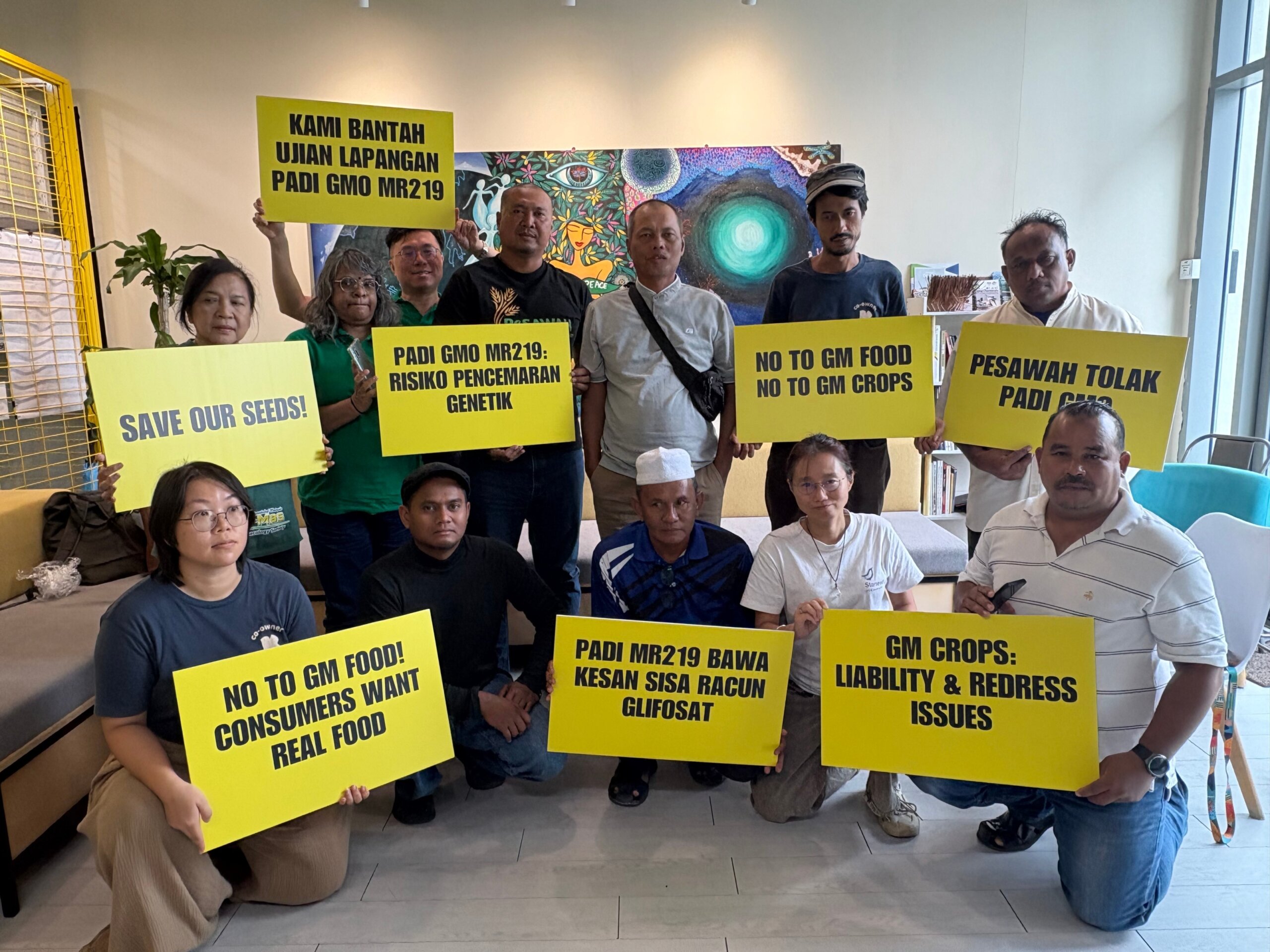
Malaysian coalition opposes GM rice trial over contamination and health risks
Photograph: Washington Top News (embedded from source)
What this story says
- A coalition of 61 farmers, consumer associations and environmental groups submitted a formal objection to Malaysia’s National Biosafety Board against a proposed GM rice field trial by Zen Cropscience.
- The trial involves a glyphosate-tolerant and disease-resistant MR219 rice variety, to be conducted in northern Perak state under contained conditions.
- Opponents warn of contamination risks, super-weed resistance, and glyphosate residues in food, citing past issues with herbicide-tolerant rice.
- Malaysia imports about half its rice consumption, but the coalition argues GM rice is not the solution to food security.
Who covered it
Percentages are shares of the 14 outlets carrying a published leaning rating. 1 of the 15 outlets we know ran this story carry no rating and are not counted in them. Coverage measured .
Trust
64/100
Craft
95/100
Hype
15/100
15 sources · methodology
Thin on the right so far
Only 1 of the 14 outlets with a published leaning rating that ran this story are rated right.
This story is still being watched, so it is a count and not yet a finding. Coverage keeps arriving for hours after an event, and a side that has published nothing this morning may publish by tonight. If it is still true when we stop checking, we will say so plainly.
A coalition of 61 Malaysian farmers, consumer associations and environmental groups has formally objected to a proposed field trial of genetically modified rice. The trial, submitted by Zen Cropscience, would test a version of the MR219 rice variety engineered to tolerate the herbicide glyphosate and resist bacterial and fungal diseases. The National Biosafety Board is evaluating the application for a confined trial in northern Perak state.
The coalition submitted its objection during a public consultation that ended last week. It warned that genetically modified material could contaminate conventional and wild rice through cross-pollination, and that Malaysia’s biosafety law lacks adequate protections for farmers who might suffer economic losses. Abdul Rashid Yob, head of a farmers association representing 200,000 members, cited previous experience with herbicide-tolerant Clearfield rice, which led to super-weed resistance and higher production costs.
The National Biosafety Board stated the trial would take place in an insect-proof net house on industrial land, far from agricultural areas, and that the risk of cross-pollination is low. It acknowledged that toxicological data for the GM rice has not been fully established. The board has not set a date for a final decision. Malaysia imports roughly half its rice consumption, according to official data.
What the coverage left out
None of the centre-rated or right-rated digests mentioned the coalition’s size, the specific risks of super-weed resistance or glyphosate residues in food, or the National Biosafety Board’s statement that the trial would be conducted in a contained net house on industrial land. The left-rated digests did not carry the coalition’s argument for robotic weeding technology as an alternative to GM crops.
Still developing. We have re-checked which outlets are covering this 1 time, most recently on 11 Aug 2026, 15:15, and will add the sides that appear.
How other outlets pictured it
Which photograph to run is each newsroom’s own choice. The leaning beside a name is that outlet’s published rating, not a claim that the pictures divide along it. Every picture is shown from the outlet’s own server and links to the article it ran in.
A coalition of farmers, consumer and environmental groups hold placards after a press conference at the Greenpeace office in Kuala Lumpur, Malaysia, Tuesday, Aug. 11, 2026. (AP Photo/Eileen Ng)
Associated Press News — embedded from source
How each side covered it
Our own reading of the reporting listed below, written from the outlets’ articles rather than quoted from them. The reasoning is set out on our methodology page.
Left
7 rated outlets
- The two left-rated full reports, from the Associated Press News and Washington Top News, led on the coalition’s formal objection and its concerns about contamination, super-weed resistance, and glyphosate residues in food. Both quoted Abdul Rashid Yob’s warning that GM rice would worsen farmers’ costs and soil degradation, and included the coalition’s argument that robotic weeding technology from Japan could serve as an alternative to GM crops.
- The Associated Press News report noted the World Health Organization’s classification of glyphosate as "probably carcinogenic to humans," while also citing the U.S. Environmental Protection Agency’s and European Food Safety Authority’s differing conclusions. The left-rated digests carried the coalition’s objections and the trial’s location in Perak, but none mentioned the robotic weeding alternative or the WHO’s glyphosate classification.
Centre
6 rated outlets
- The six centre-rated digests all carried the coalition’s objection and its warning that the trial could pose risks to food safety, the environment and farmers. None of the digests mentioned the coalition’s size, the specific risks of super-weed resistance or glyphosate residues, or the National Biosafety Board’s statement that the trial would be conducted in a contained net house on industrial land.
Right
1 rated outlet
- The single right-rated digest, from the Owensboro Messenger-Inquirer, carried the coalition’s objection and its warning that the trial could pose risks to food safety, the environment and farmers. It did not mention the coalition’s size, the specific risks of contamination or super-weed resistance, or the National Biosafety Board’s statement on the trial’s containment measures.
Read it at the source
15 outlets, grouped by the leaning a published rating gives them. Every headline links to the original; an underlined outlet name opens our profile of that publisher.
Left
7- Malaysian farmers, environmental groups call for rejection of GMO rice trial (opens The Toronto Star in a new tab)
The Toronto Star — is The Toronto Star biased? Our profile of this outlet
- Malaysian farmers, environmental groups call for rejection of GMO rice trial (opens The Seattle Times in a new tab)
The Seattle Times — is The Seattle Times biased? Our profile of this outlet
- Malaysian farmers, environmental groups call for rejection of GMO rice trial (opens Oskaloosa Herald in a new tab)
Oskaloosa Herald — is Oskaloosa Herald biased? Our profile of this outlet
- Malaysian farmers, environmental groups call for rejection of GMO rice trial (opens Associated Press News in a new tab)
Associated Press News — is Associated Press News biased? Our profile of this outlet
- Malaysian farmers, environmental groups call for rejection of GMO rice trial (opens ABC News in a new tab)
- Malaysian farmers, environmental groups call for rejection of GMO rice trial (opens St Catharines Standard in a new tab)
St Catharines Standard — is St Catharines Standard biased? Our profile of this outlet
- Malaysian farmers, environmental groups call for rejection of GMO rice trial (opens The Hamilton Spectator in a new tab)
The Hamilton Spectator — is The Hamilton Spectator biased? Our profile of this outlet
Centre
6- Malaysian farmers, environmental groups call for rejection of GMO rice trial (opens Washington Top News in a new tab)
Washington Top News — is Washington Top News biased? Our profile of this outlet
- Malaysian farmers, environmental groups call for rejection of GMO rice (opens WBAL in a new tab)
- Malaysian farmers, environmental groups call for rejection of GMO rice trial (opens Rutland Herald in a new tab)
Rutland Herald — is Rutland Herald biased? Our profile of this outlet
- Malaysian farmers, environmental groups call for rejection of GMO rice trial (opens Ottumwa Courier in a new tab)
Ottumwa Courier — is Ottumwa Courier biased? Our profile of this outlet
- Malaysian farmers, environmental groups call for rejection of GMO rice trial (opens WKMG in a new tab)
- Malaysian farmers, environmental groups call for rejection of GMO rice trial (opens Winnipeg Free Press in a new tab)
Winnipeg Free Press — is Winnipeg Free Press biased? Our profile of this outlet
Right
1Not rated
1Questions about this coverage
- How did the left and right cover Malaysian coalition opposes GM rice trial over contamination and health…?
- Of the 14 outlets on this story carrying a published leaning rating, 50% are rated left, 43% are rated centre, 7% are rated right. Those percentages are shares of the rated outlets, not of every outlet that ran it, which was 15. The sections above set out what each side emphasised, in its own terms.
- Is Malaysian coalition opposes GM rice trial over contamination and health… left or right?
- Neither side dominates it. Of the 14 rated outlets on this story, 50% are rated left, 43% are rated centre, 7% are rated right, and no side holds the 70% this site would want before calling a field one-sided. A story is not left or right in any case; the outlets that carried it are what carry ratings.
- Is the coverage of Malaysian coalition opposes GM rice trial over contamination and health… biased?
- Malaysian coalition opposes GM rice trial over contamination and health risks is one event reported by 15 outlets, and this page does not rate the story as biased or unbiased. What it publishes is the spread: which outlets ran it, where named rating organisations place each of them on the spectrum, and what each side chose to lead with. A leaning rating describes an outlet's record over time, not this article, and the two should not be run together.
- Which side is not reporting Malaysian coalition opposes GM rice trial over contamination and health…?
- When we first saw this story, outlets rated right had barely covered it. Coverage accretes for hours after an event, so that is where to look rather than a verdict — the split above is the current count, and it is the one to read.
- Which outlets covered Malaysian coalition opposes GM rice trial over contamination and health…?
- 15 that we know of, every one of them listed further up this page with a link to its own report and to what we hold on the publisher. Nothing here is a summary of somebody else's summary: the outlets are named so the original reporting can be read.
- What is the GM rice trial in Malaysia about?
- The trial involves a genetically modified MR219 rice variety, engineered by Zen Cropscience to tolerate glyphosate and resist bacterial and fungal diseases. It is proposed for a confined field test in northern Perak state, but a coalition of 61 groups has formally objected, citing contamination risks and health concerns.
- Why are farmers and environmental groups opposing the GM rice trial?
- The coalition warns that genetically modified material could contaminate conventional and wild rice, and that glyphosate-tolerant crops could lead to super-weed resistance, raising production costs. They also cite concerns about glyphosate residues in food and insufficient legal protections for farmers.
- What did the National Biosafety Board say about the trial?
- The board stated the trial would be conducted in an insect-proof net house on industrial land, far from agricultural areas, and that the risk of cross-pollination is low. It acknowledged that toxicological data for the GM rice has not been fully established but has not set a date for a final decision.
- Which outlets reported on the robotic weeding alternative?
- The Associated Press News and Washington Top News, both left-rated, reported the coalition’s argument that robotic weeding technology from Japan could serve as an alternative to GM crops for managing weeds and disease. None of the centre-rated or right-rated digests mentioned this.
How did this read?
About the coverage, not about the story. We do not ask whether you agree with what happened — we have no honest use for that answer.
More in Science & Tech
All Science & Tech →

Elsewhere on the site
 Conflict & Security•5 min readOvernight strikes kill seven in Ukraine and Russia as drone and missile attacks continue
 Politics•4 min readHsu Chun-ying sentenced to seven years for conspiring with Chinese officials
 Conflict & Security•5 min readChina missile test splits Pacific Islands over militarisation
 Conflict & Security•4 min readVietnam begins construction of largest domestically built anti-submarine warship