White House lets private cyber firms attack foreign criminal networks under supervision
A 12 August 2026 memorandum authorises vetted companies to disrupt, degrade or destroy adversary systems but bars lethal outcomes
AI-assisted coverage comparison, editor-supervised · How this was made
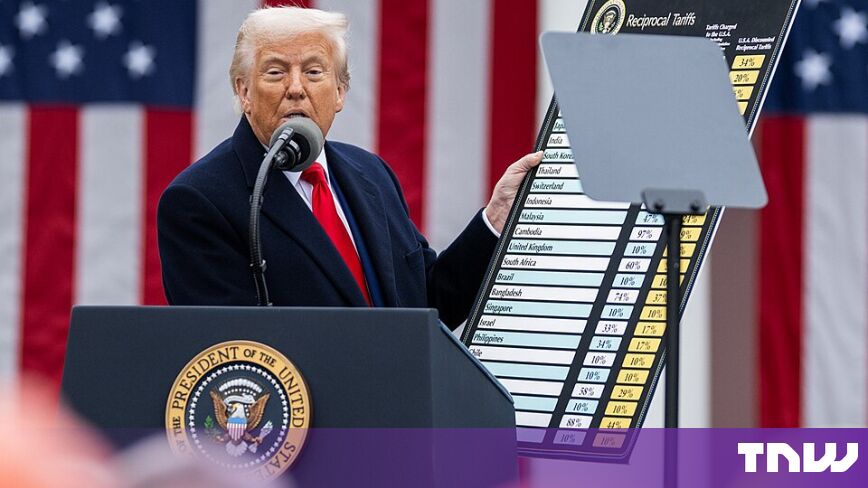
White House lets private cyber firms attack foreign criminal networks under supervision
Photograph: TNW (embedded from source)
What this story says
- The White House issued a memorandum on 12 August 2026 allowing private cybersecurity companies to conduct offensive operations against foreign cybercrime organisations.
- Companies must be vetted and supervised by the Departments of Justice and Homeland Security, and are prohibited from actions that could cause loss of life or serious injury.
- The policy targets transnational criminal organisations but excludes groups operating under direct foreign government control or direction.
- AI-assisted cyberattacks increased by 89% in 2025, and American consumers lost $20.8 billion to cyber-enabled crime that year.
Who covered it
Percentages are shares of the 7 outlets carrying a published leaning rating. 9 of the 16 outlets we know ran this story carry no rating and are not counted in them. Coverage measured .
Trust
86/100
Craft
87/100
Hype
55/100
16 sources · methodology
Thin on the left so far
Only 1 of the 7 outlets with a published leaning rating that ran this story are rated left.
This story is still being watched, so it is a count and not yet a finding. Coverage keeps arriving for hours after an event, and a side that has published nothing this morning may publish by tonight. If it is still true when we stop checking, we will say so plainly.
On 12 August 2026 the White House issued a memorandum authorising private cybersecurity companies to conduct offensive operations against foreign cybercrime organisations. The policy permits companies to "manipulate, degrade, disrupt, and destroy" adversary computer networks under government supervision. It prohibits actions likely to cause loss of life or serious injury.
The memorandum establishes a National Coordination Center and requires companies to be vetted by the Departments of Justice and Homeland Security. It defines two types of operation: Cyber Surveillance Operations, which collect intelligence, and Cyber Effects Operations, which alter or disable systems. Companies must maintain a bond or escrow of at least $1 million and submit to annual reviews.
The policy targets transnational criminal organisations that conduct cyber-enabled crime against the US government, US persons or US interests. It excludes groups that are institutional parts of foreign governments or wholly operated under a foreign government’s direction. North Korean state hackers and groups under direct Russian or Chinese control are not eligible targets.
American consumers lost $20.8 billion to cyber-enabled crime in 2025, according to figures published with the memorandum. A February 2026 report from CrowdStrike recorded an 89% increase in AI-assisted cyberattacks during 2025. The White House stated that 73% of US adults have experienced online scams or attacks, and 98% consider scams a threat to the country.
What the reports disagree on
Nextgov describes the policy as reviving "privateering for the digital age" and quotes a former DHS official who uses the term. TNW reports that several outlets called the memorandum a licence to "hack back" but clarifies that TechCrunch, which reviewed the document, states it stops short of that. WebProNews says the White House has "loosened restrictions on offensive cyber operations" and granted agencies "greater freedom to strike first in cyberspace".
What the coverage left out
None of the right-rated digests mention the memorandum’s prohibition on actions likely to cause loss of life or serious injury. None of the centre-rated reports mention the memorandum’s figures for financial losses or public exposure to cybercrime. The left-rated report does not quote the memorandum’s statement that American businesses’ capabilities have "historically been underutilized" in disrupting criminal networks.
Still developing. We have re-checked which outlets are covering this 5 times, most recently on 15 Aug 2026, 09:15, and will add the sides that appear.
How each side covered it
Our own reading of the reporting listed below, written from the outlets’ articles rather than quoted from them. The reasoning is set out on our methodology page.
Left
1 rated outlet
- TNW’s report led on the memorandum’s structure and safeguards. It detailed the roles of the National Coordination Center and the two Program Executive Directors, one designated by the Attorney General and the other by the Secretary of Homeland Security. The report quoted the memorandum’s figures for financial losses and public exposure to cybercrime, and listed the minimum standards companies must meet for technical proficiency, facility security and personnel vetting.
- TNW also quoted industry figures who welcomed the policy. Joe Lin, chief executive of Twenty, said the American technology industry had been "left on the cyber sidelines". Mike Centrella of SecurityScorecard described a shift from sharing threat information to using government authorities and private capabilities to disrupt criminal networks. The report included criticism from Jake Williams, who raised concerns about oversight and accountability.
Centre
2 rated outlets
- Nextgov’s report led on the historical analogy of privateering and the integration of private firms into military operations. It quoted Jeff Gray, a former DHS official, who said the government was "authorizing private actors to conduct offensive cyber operations on its behalf, under its control". The report described the policy as a response to the increasing speed of technological change and the use of AI by adversaries.
- Nextgov also reported on the precedent of private companies operating military technology, such as SpaceX’s Starlink satellites and Anduril’s drones. It quoted a former senior defense official who said that having engineers in the field reduced red tape and accelerated deployment. The report noted that the policy could provoke a short-term increase in attacks and cause adversaries to shift tactics.
- WebProNews’s digest led on the loosening of restrictions and the potential for escalation. It stated that the White House had granted military and intelligence agencies "greater freedom to strike first in cyberspace". The digest described the policy as a departure from previous rules that required high-level approvals for digital attacks.
Right
4 rated outlets
- The four right-rated digests led on the policy’s authorisation of private companies to hack foreign cybercrime organisations. Yonhap News and TV Azteca described the memorandum as granting authority to launch "hacking attacks". The Straits Times and Times of India called the policy a "risky bet" and quoted unnamed experts who raised concerns about effectiveness, oversight and the risk of retaliation or diplomatic disputes.
- The Straits Times and Times of India digests used the term "private ‘pirates’" to describe the authorised companies. The Times of India digest stated that the move had "divided cybersecurity experts" over its potential risks. None of the right-rated digests mentioned the $20.8 billion figure for consumer losses or the 89% increase in AI-assisted cyberattacks.
Read it at the source
16 outlets, grouped by the leaning a published rating gives them. Every headline links to the original; an underlined outlet name opens our profile of that publisher.
Left
1Centre
2- As warfare becomes engineering, the era of the digital mercenary dawns (opens Nextgov in a new tab)
Nextgov — is Nextgov biased? Our profile of this outletOpinion
- Trump Eases Rules for Offensive Cyber Strikes, Sparking Escalation Fears (opens WebProNews in a new tab)
WebProNews — is WebProNews biased? Our profile of this outlet
Right
4- Trump Allows Private Companies to Launch 'Hacking Attacks' by Foreign Cybercrime Organizations (opens 연합뉴스-Yonhap News Agency in a new tab)
연합뉴스-Yonhap News Agency — is 연합뉴스-Yonhap News Agency biased? Our profile of this outlet
- US takes risky bet on private ‘pirates’ to combat cybercrime (opens The Straits Times in a new tab)
The Straits Times — is The Straits Times biased? Our profile of this outlet
- US takes risky bet on private 'pirates' to combat cybercrime (opens Times of India in a new tab)
Times of India — is Times of India biased? Our profile of this outlet
- Trump Authorizes U.S. Private Companies to Hack Into International Cybercriminals (opens TV Azteca in a new tab)
Not rated
9- Trump Will Allow Private Companies to Carry Out Cyberattacks on Behalf of the US (opens Kursors.lv in a new tab)
Kursors.lv — is Kursors.lv biased? Our profile of this outlet
- Trump Grants Hacking Authority to Private Companies Against Foreign Cybercriminal Organizations | #hacking | #cybersecurity | #infosec | #comptia | #pentest | #hacker - National Cyber Security Consulting (opens National Cyber Security in a new tab)
National Cyber Security — is National Cyber Security biased? Our profile of this outlet
- U.S. to let private companies launch offensive cyber operations (opens Mugglehead Magazine in a new tab)
Mugglehead Magazine — is Mugglehead Magazine biased? Our profile of this outlet
- Trump resurrects digital privateers, bypassing Congress to let corporate militias wage cyberwar (opens njtoday.news in a new tab)
njtoday.news — is njtoday.news biased? Our profile of this outletOpinion
- USA: TRUMP Privatizes Offensive Cybersecurity · Global Voices (opens HardwareCooking in a new tab)
HardwareCooking — is HardwareCooking biased? Our profile of this outlet
- Cybercrimes: U.S. Enables Private Companies to Counter Hackers · Global Voices (opens Perfil in a new tab)
- Washington Opens the Door to Controlled Private Cyberattacks (opens begeek.fr in a new tab)
- Trump Administration Allows Private Companies to Carry Out Cyber Attacks (opens Génération-NT in a new tab)
Génération-NT — is Génération-NT biased? Our profile of this outlet
Questions about this coverage
- How did the left and right cover White House lets private cyber firms attack foreign criminal networks…?
- Of the 7 outlets on this story carrying a published leaning rating, 14% are rated left, 29% are rated centre, 57% are rated right. Those percentages are shares of the rated outlets, not of every outlet that ran it, which was 16. The sections above set out what each side emphasised, in its own terms.
- Is White House lets private cyber firms attack foreign criminal networks… left or right?
- Too few of the outlets on this story carry a published leaning rating to say. 7 of them do, and this site does not characterise a field under 12: at that size one newsroom filing moves the share by ten points. The percentages above are the count as it stands.
- Is the coverage of White House lets private cyber firms attack foreign criminal networks… biased?
- White House lets private cyber firms attack foreign criminal networks under supervision is one event reported by 16 outlets, and this page does not rate the story as biased or unbiased. What it publishes is the spread: which outlets ran it, where named rating organisations place each of them on the spectrum, and what each side chose to lead with. A leaning rating describes an outlet's record over time, not this article, and the two should not be run together.
- Which side is not reporting White House lets private cyber firms attack foreign criminal networks…?
- When we first saw this story, outlets rated left had barely covered it. Coverage accretes for hours after an event, so that is where to look rather than a verdict — the split above is the current count, and it is the one to read.
- Which outlets covered White House lets private cyber firms attack foreign criminal networks…?
- 16 that we know of, every one of them listed further up this page with a link to its own report and to what we hold on the publisher. Nothing here is a summary of somebody else's summary: the outlets are named so the original reporting can be read.
- What does the White House memorandum allow private companies to do?
- The memorandum, issued on 12 August 2026, authorises vetted private cybersecurity companies to conduct offensive operations against foreign cybercrime organisations. It permits actions that manipulate, degrade, disrupt or destroy adversary computer networks but prohibits outcomes likely to cause loss of life or serious injury.
- Which groups can private companies target under the new policy?
- The policy targets transnational criminal organisations that conduct cyber-enabled crime against the US government, US persons or US interests. It excludes groups that are institutional parts of foreign governments or wholly operated under a foreign government’s direction, such as North Korean state hackers.
- How much did cyber-enabled crime cost American consumers in 2025?
- The White House memorandum states that American consumers lost $20.8 billion to cyber-enabled crime in 2025. The figure was published alongside the memorandum and is cited in reports from TNW and other outlets.
- What safeguards does the memorandum include?
- The memorandum requires companies to be vetted and supervised by the Departments of Justice and Homeland Security. It sets minimum standards for technical proficiency, facility security and personnel vetting, and requires companies to maintain a bond or escrow of at least $1 million. Operations must be reviewed and approved in writing before execution.
How did this read?
About the coverage, not about the story. We do not ask whether you agree with what happened — we have no honest use for that answer.
More in Politics
All Politics →

Elsewhere on the site
 Conflict & Security•4 min readTrump signs order to expand cyber operations against transnational crime groups
 Business & Economy•5 min readTrump imposes 100% tariffs on imported drones to curb China’s market dominance
 Business & Economy•4 min readWhite House report names 40 countries aiding Chinese tariff evasion