OpenAI claims AI solved Millennium Prize math problem
Company says internal model produced a solution to the Navier-Stokes existence and smoothness problem, but proof is not public.
AI-assisted coverage comparison, editor-supervised · How this was made

IA pode ter ajudado a resolver problema histórico da matemática em novo marco científico
Photograph: UOL (embedded from source)
What this story says
- OpenAI claims an internal AI model has solved the Navier-Stokes existence and smoothness problem, a Millennium Prize Problem with a $1 million reward.
- The company stated that around 10,000 AI agents worked for 88 hours to produce the solution.
- Mathematicians are reportedly skeptical of the claim, citing the absence of a publicly available proof.
- Some reports suggest a dispute over credit and potential impropriety involving mathematicians Tristan Buckmaster and Levent Alpöge.
Who covered it
Percentages are shares of the 174 outlets carrying a published leaning rating. 274 of the 448 outlets we know ran this story carry no rating and are not counted in them. Coverage measured .
Trust
42/100
Craft
57/100
Hype
41/100
448 sources · methodology
Artificial intelligence company OpenAI announced on 5 September 2026 that an internal, unreleased AI model has produced a solution to the Navier-Stokes existence and smoothness problem. This is one of the seven Millennium Prize Problems, established by the Clay Mathematics Institute, with a $1 million prize for a confirmed solution. OpenAI stated that approximately 10,000 AI agents worked in parallel for 88 hours to generate the solution. The problem, which has remained unsolved for about 90 years, concerns the behaviour of fluids and gases.
Disagreement over proof and prior work
Mathematicians have raised questions and expressed skepticism regarding OpenAI's claim, primarily because a proof has not been publicly disclosed. Some reports indicate that mathematicians Tristan Buckmaster and Levent Alpöge were working on similar research with AI assistance. According to some accounts, OpenAI's team became aware of this work and raced to complete their own solution. UOL reported that Buckmaster alleged OpenAI's internal team used a company model to solve the full Navier-Stokes equations, possibly after learning of his team's methods. UOL also reported Buckmaster's claim that OpenAI pressured him to remove Alpöge, who works for a competitor, as a co-author. OpenAI denies having had contact with Buckmaster and Alpöge's work before its own public announcement.
Omissions in coverage
None of the left-rated reports mentioned the specific number of AI agents OpenAI claimed were used. None of the right-rated reports mentioned the specific number of AI agents OpenAI claimed were used. None of the centre-rated reports mentioned the specific number of AI agents OpenAI claimed were used.
Coverage settled. We checked this 255 times and stopped on 14 Sept 2026, 14:00. The figures above are what it finished at.
How each side covered it
Our own reading of the reporting listed below, written from the outlets’ articles rather than quoted from them. The reasoning is set out on our methodology page.
Left
64 rated outlets
- Left-rated reports led with the potential controversy and accusations of impropriety surrounding OpenAI's announcement. Axios reported that OpenAI's "historic math solution overshadowed by credit controversy" and that "the company denies any ties to other research." Wired stated that the "landmark announcement by the frontier AI lab has been overshadowed by accusations of impropriety." Scientific American noted that "AI may have just solved a million-dollar math problem" and compared the feat to IBM's Deep Blue beating Garry Kasparov in chess, suggesting the field "will never be the same." Newser reported that the problem "may have just met its match, and the solver apps to be artificial intelligence."
Centre
61 rated outlets
- Centre-rated reports focused on OpenAI's claim of solving the problem and the scale of the AI effort involved, while also acknowledging the lack of public proof and the existence of prior research. NewScientist reported that "OpenAI has solved the Navier-Stokes Millennium problem using $15m of AI effort," noting that the result was announced amid rumours of similar, less complete work. Nature stated that "OpenAI claims huge maths breakthrough on a famed ‘Millennium Problem’," but added that the company "says it has cracked the physics of fluids using AI." Quartz reported that "OpenAI AI solves Navier-Stokes Millennium Prize Problem" and that "rivals contested OpenAI's account of events before the proof was published." Yle reported that "Open AI Claims to Have Solved One of the Mathematical Mysteries of the Millennium" but stressed that "the solution is only a proposal and has not been confirmed by the mathematical scientific community."
Right
49 rated outlets
- Right-rated reports highlighted OpenAI's claim of a breakthrough and the technical details of the AI's involvement, with some noting skepticism. Anadolu Ajansı reported that "OpenAI says AI model solved one of mathematics' Millennium Prize Problems," adding that the "unreleased model took 88 hours, used up to 10,000 AI agents to solve Navier-Stokes problem." Firstpost News asked, "Has OpenAI model solved 80-year-old Navier-Stokes problem? Mathematician raises questions," and noted that "the underlying proof has not been made public." Latestly reported that "OpenAI AI Agents Solve Navier-Stokes Problem? AI System Claims Breakthrough in Mathematics," and that the proof "reportedly used around 10,000 AI agents over 88 hours." BioBioChile reported that "The AI Solved in 80 Minutes an Ancient Mathematical Problem that Expert Failed to Solve in 7 Years," though this appears to refer to a different problem than Navier-Stokes.
Questions about this coverage
- How did the left and right cover OpenAI claims AI solved Millennium Prize math problem?
- Of the 174 outlets on this story carrying a published leaning rating, 30% are rated left, 45% are rated centre, 25% are rated right. Those percentages are shares of the rated outlets, not of every outlet that ran it, which was 448. The sections above set out what each side emphasised, in its own terms.
- Is OpenAI claims AI solved Millennium Prize math problem left or right?
- Neither side dominates it. Of the 174 rated outlets on this story, 30% are rated left, 45% are rated centre, 25% are rated right, and no side holds the 70% this site would want before calling a field one-sided. A story is not left or right in any case; the outlets that carried it are what carry ratings.
- Is the coverage of OpenAI claims AI solved Millennium Prize math problem biased?
- OpenAI claims AI solved Millennium Prize math problem is one event reported by 448 outlets, and this page does not rate the story as biased or unbiased. What it publishes is the spread: which outlets ran it, where named rating organisations place each of them on the spectrum, and what each side chose to lead with. A leaning rating describes an outlet's record over time, not this article, and the two should not be run together.
- Which outlets covered OpenAI claims AI solved Millennium Prize math problem?
- 448 that we know of, every one of them listed further up this page with a link to its own report and to what we hold on the publisher. Nothing here is a summary of somebody else's summary: the outlets are named so the original reporting can be read.
- What is the Navier-Stokes existence and smoothness problem?
- The Navier-Stokes existence and smoothness problem is one of the seven Millennium Prize Problems, with a $1 million prize offered for its solution. It concerns the mathematical description of the movement of fluids and gases, and has remained unsolved for approximately 90 years.
- What does OpenAI claim to have achieved?
- OpenAI claims that an internal, unreleased AI model has produced a solution to the Navier-Stokes existence and smoothness problem. The company stated that around 10,000 AI agents worked for 88 hours to generate this solution, which it announced on 5 September 2026.
- Why are mathematicians skeptical of OpenAI's claim?
- Mathematicians are reportedly skeptical because OpenAI has not publicly disclosed the proof of its claimed solution. This lack of verifiable evidence has led to questions about the validity of the announcement, especially given the problem's significance and the substantial prize money involved.
- Is there a dispute over credit for the solution?
- Yes, some reports suggest a dispute over credit. Mathematicians Tristan Buckmaster and Levent Alpöge were reportedly working on similar AI-assisted research. One account claims OpenAI's team learned of their progress and raced to complete their own solution, with allegations of pressure to alter co-authorship.
Read it at the source
448 outlets, grouped by the leaning a published rating gives them. Every headline links to the original; an underlined outlet name opens our profile of that publisher.
Left
64- Excitement in Mathematics: OpenAI Solves Million-Dollar Problem – in 88 Hours (opens NRC Handelsblad in a new tab)
NRC Handelsblad — is NRC Handelsblad biased? Our profile of this outlet
- 'Uproar' unleashed after OpenAI says it solved major maths mystery (opens ABC Australia in a new tab)
ABC Australia — is ABC Australia biased? Our profile of this outlet
- OpenAI claims another huge mathematical result amid fights over credit, ethics and privacy (opens The Conversation in a new tab)
The Conversation — is The Conversation biased? Our profile of this outlet
- "AI Solved a Mathematical Mystery only Thanks to us." Scientists Rebel Against the Discovery of the Century (opens Novinky.cz in a new tab)
Novinky.cz — is Novinky.cz biased? Our profile of this outlet
- The Fight Over OpenAI’s Math Breakthrough Is a New Kind of Scientific Arms Race (opens Gizmodo in a new tab)
- OpenAI Said Its AI Agents Have Solved One of Seven “Millennium Challenges”. Two Mathematicians Admit that the Company Used the Results of Their Work. And They Claim that OpenAI Employees Threatened Them (opens Meduza in a new tab)
- AI Solves Ancient Math Puzzles – What that Means (opens Schweizer Radio und Fernsehen (SRF) in a new tab)
- Navier-Stokes Equations: OpenAI Solves the Problem of the Millennium, but It Is Polemic (opens Il Fatto Quotidiano in a new tab)
Il Fatto Quotidiano — is Il Fatto Quotidiano biased? Our profile of this outlet
Show 56 more
- OpenAI Claims that Within 88 Hours It Solved a 90-Year-Old Mathematical Problem; 10,000 AI Agents Worked Simultaneously (opens News.ro in a new tab)
- Mathematician worked to solve 'Millennium Problem' for a year — OpenAI says it cracked it in a week (opens Koco News5 in a new tab)
Koco News5 — is Koco News5 biased? Our profile of this outlet
- Mathematicians Using AI Announced They Were Close To Solving One Of The Holy Grails Of Math – And Then The Drama Started (opens IFLScience in a new tab)
IFLScience — is IFLScience biased? Our profile of this outlet
- OpenAI Says It Solved One of the "Millennium Problems" in Mathematics. What Is It and Why Is There a Stir Among Scientists (opens WXOW in a new tab)
- OpenAI says it has solved one of math’s ‘Millennium Problems’ - WSVN 7News | Miami News, Weather, Sports (opens WSVN in a new tab)
- OpenAI Wants Navier-Stokes Problem Solved: Dispute over AI Proof in Mathematics (opens Sueddeutsche Zeitung in a new tab)
Sueddeutsche Zeitung — is Sueddeutsche Zeitung biased? Our profile of this outlet
- OpenAI Announced the Solution with AI of One of the Most Complex Problems in Mathematics (opens detector.media in a new tab)
detector.media — is detector.media biased? Our profile of this outlet
- OpenAI Solves One of the Seven Biggest Mathematical Problems, but the Breakthrough Is Surrounded by Controversy. (opens Volkskrant in a new tab)
Volkskrant — is Volkskrant biased? Our profile of this outlet
- OpenAI: AI Is Said to Have Solved World-Renowned Math Puzzles in Just 88 Hours (opens Spiegel in a new tab)
- They Claim that AI Has Solved One of the Seven Millennium Problems. (opens TVN24.pl in a new tab)
- OpenAI Says It Solved One of the Millennium Problems (opens Il Post in a new tab)
- Against the Background of Controversy, OpenAI Announces that It Has Solved the Two-Century Equation of Navier-Stokes. (opens Le Temps in a new tab)
- Artificial Intelligence Solves Decades-Old Math Problem in 88 Hours (opens delo.si in a new tab)
- OpenAI’s Announcement that It Has Solved One of the Greatest Mathematical Riddles in History Triggers Accusations of Plagiarism (opens El Pais in a new tab)
- Who Has Solved the Problem of the Millennium? A War Between AIs Threatens the Glory of Two Spanish Mathematicians (opens Eldiario.es in a new tab)
Eldiario.es — is Eldiario.es biased? Our profile of this outlet
- Artificial Intelligence Solved a 200-Year-Old Mathematical Problem in Just a Few Days (opens telex.hu in a new tab)
- OpenAI says it has solved one of math’s “Millennium Problems” (opens CNN in a new tab)
- OpenAI Makes a Groundbreaking Claim that Has Shaken the Scientific World: A Century-Old Unsolved Mathematical Problem Has Been Solved in 88 Hours. (opens Cumhuriyet in a new tab)
Cumhuriyet — is Cumhuriyet biased? Our profile of this outlet
- OpenAI claims to have solved the 90-year-old Navier-Stokes math problem in 88 hours (opens CNBC in a new tab)
- What is the 90-year-old Navier-Stokes problem that OpenAI says AI has solved? (opens Indian Express in a new tab)
Indian Express — is Indian Express biased? Our profile of this outlet
- OpenAI Claims to Crack ‘Millennium Problem’ in 88 Hours, but Mathematician Sees ‘Another Aspect to the Story’ (opens De Morgen in a new tab)
- Artificial Intelligence: OpenAI Wants to Solve a Mathematical »Millennial Problem« (opens Zeit Online in a new tab)
Zeit Online — is Zeit Online biased? Our profile of this outlet
- OpenAI says it cracked a maths puzzle that has eluded humans for decades in about 88 hours (opens The Journal in a new tab)
The Journal — is The Journal biased? Our profile of this outlet
- OpenAI Claims to Have Solved a 90-Year-Old Math Problem in Just 88 Hours - HotNews.ro (opens Hot News in a new tab)
- OpenAI Claims a Solution to a Million-Dollar Math Mystery. Two Researchers Are Raising Questions About Credit. (opens IBTimes in a new tab)
- OpenAI Cracked a $1 Million Math Problem With 10,000 AI Agents, Rival Mathematicians Now Cry Foul (opens IBTimes UK in a new tab)
IBTimes UK — is IBTimes UK biased? Our profile of this outlet
- OpenAI Solves 90-Year-Old Mathematical Difficulty… 10,000 AIs Collaborate for 88 Hours (opens 한겨레 in a new tab)
한겨레
- Did OpenAI crack a million-dollar math problem using data stolen from mathematicians? (opens The Hindu in a new tab)
- OpenAI Claims to Have Solved a Millennium Mathematical Problem and a Researcher Accuses the Company of Using Its Work (opens La Opinion in a new tab)
La Opinion — is La Opinion biased? Our profile of this outletOpinion
- OpenAI touts math breakthrough. Mathematicians dispute credit (opens USA Today in a new tab)
- OpenAI says it solved one of math’s hardest problems, but controversy taints the milestone (opens NBC News in a new tab)
- OpenAI Probably Cracks 90 Years Old Puzzle – but a Researcher Gets Angry (opens t-online in a new tab)
- In Less than Four Days, OpenAI Claims to Have Solved a Math Problem From More than a Century Ago. (opens La Presse in a new tab)
- OpenAI claims to have solved Navier-Stokes problem: One of math's hardest unsolved mysteries (opens Hindustan Times in a new tab)
Hindustan Times — is Hindustan Times biased? Our profile of this outlet
- OpenAI Says It Solved a Major Math Problem but Creates Waves (opens Le Monde in a new tab)
- OpenAI agents find proof to $1 million Millennium Prize Problem (opens Semafor in a new tab)
- What's going on with OpenAI and the Navier-Stokes controversy? (opens Engadget in a new tab)
- The AI Giant OpenAI Says He Solved the Navier-Stokes Equation, a Crucial Math Problem, in Just a Few Days (opens franceinfo.fr in a new tab)
franceinfo.fr — is franceinfo.fr biased? Our profile of this outlet
- ChatGPT 6 Announced the Solution of One of the Main Mathematical Puzzles of the Millennium (opens unn.ua in a new tab)
- OpenAI Claims to Have Solved a 90-Year-Old Math Problem – in Just 88 Hours (opens Telegrafi in a new tab)
- Drama swirls around OpenAI’s legendary mathematical milestone (opens The Verge in a new tab)
- AI solves one of math’s hardest problems in 88 hours, says OpenAI (opens Punch Newspapers in a new tab)
Punch Newspapers — is Punch Newspapers biased? Our profile of this outlet
- OpenAI says it solved Navier-Stokes. Nobody has seen the proof. (opens TNW in a new tab)
- OpenAI claims solution to one of math’s $1 million Millennium Prize problems (opens The Washington Post in a new tab)
The Washington Post — is The Washington Post biased? Our profile of this outlet
- OpenAI Claims to Have Solved One of the Biggest Math Problems in History (opens IndexHR in a new tab)
- You should care about the AI math breakthrough drama even if you're not a nerd (opens Business Insider in a new tab)
Business Insider — is Business Insider biased? Our profile of this outletOpinion
- AI Could Have Just Cracked a Millennium Problem of Mathematics (opens der Standard AT in a new tab)
der Standard AT — is der Standard AT biased? Our profile of this outlet
- This Might Be a Huge Day for Field of Math (opens Newser in a new tab)
- OpenAI's apparent maths breakthrough raises profound questions (opens The Economist in a new tab)
The Economist — is The Economist biased? Our profile of this outlet
- OpenAI Claims to Have Solved One of the Deepest Problems of Mathematics (opens La Vanguardia in a new tab)
La Vanguardia — is La Vanguardia biased? Our profile of this outlet
- OpenAI AI solves Navier-Stokes Millennium Prize Problem (opens Quartz in a new tab)
- OpenAI fought dirty on career-making math problem, says NYU mathematician (opens TechCrunch in a new tab)
TechCrunch — is TechCrunch biased? Our profile of this outlet
- 'Momento Kasparov': IA Solves 'Impossible' Equation and Generates Scientific Quarrel (opens UOL in a new tab)
- OpenAI Just Claimed a Huge Math Discovery. Some Academics Are Crying Foul (opens Wired in a new tab)
- OpenAI's historic math solution overshadowed by credit controversy (opens Axios in a new tab)
- AI may have just solved a million-dollar math problem. The field will never be the same (opens Scientific American in a new tab)
Scientific American — is Scientific American biased? Our profile of this outlet
Centre
61- A.I. May Have Solved a Longstanding Math Problem With a Million-Dollar Prize. It Ignited a Controversy Over Who Gets Credit (opens Smithsonian Mag in a new tab)
Smithsonian Mag — is Smithsonian Mag biased? Our profile of this outlet
- OpenAI's Math Breakthrough Sparks Fight Over Who Gets Credit (opens hngn.com in a new tab)
- 'Why would you ruin your career?': OpenAI claims to have cracked one of math's greatest unsolved problems, but mathematicians allege it played dirty (opens Live Science in a new tab)
Live Science — is Live Science biased? Our profile of this outlet
- Mathematician worked to solve 'Millennium Problem' for a year — OpenAI says it cracked it in a week (opens KHBS in a new tab)
- Mathematician worked to solve 'Millennium Problem' for a year — OpenAI says it cracked it in a week (opens WJCL in a new tab)
- Mathematician worked to solve 'Millennium Problem' for a year — OpenAI says it cracked it in a week (opens KSBW in a new tab)
- Mathematician worked to solve 'Millennium Problem' for a year — OpenAI says it cracked it in a week (opens WXII in a new tab)
- Mathematician worked to solve 'Millennium Problem' for a year — OpenAI says it cracked it in a week (opens WGAL in a new tab)
Show 53 more
- Mathematician worked to solve 'Millennium Problem' for a year — OpenAI says it cracked it in a week (opens WPBF in a new tab)
- Mathematician worked to solve 'Millennium Problem' for a year — OpenAI says it cracked it in a week (opens WAPT in a new tab)
- Mathematician worked to solve 'Millennium Problem' for a year — OpenAI says it cracked it in a week (opens KOAT in a new tab)
- Mathematician worked to solve 'Millennium Problem' for a year — OpenAI says it cracked it in a week (opens WVTM in a new tab)
- Mathematician worked to solve 'Millennium Problem' for a year — OpenAI says it cracked it in a week (opens WMTW in a new tab)
- Mathematician worked to solve 'Millennium Problem' for a year — OpenAI says it cracked it in a week (opens WBAL-TV in a new tab)
- Mathematician worked to solve 'Millennium Problem' for a year — OpenAI says it cracked it in a week (opens WPTZ in a new tab)
- Mathematician worked to solve 'Millennium Problem' for a year — OpenAI says it cracked it in a week (opens KMBC in a new tab)
- Mathematician worked to solve 'Millennium Problem' for a year — OpenAI says it cracked it in a week (opens KETV in a new tab)
- Mathematician worked to solve 'Millennium Problem' for a year — OpenAI says it cracked it in a week (opens WISN in a new tab)
- Mathematician worked to solve 'Millennium Problem' for a year — OpenAI says it cracked it in a week (opens KCCI in a new tab)
- Mathematician worked to solve 'Millennium Problem' for a year — OpenAI says it cracked it in a week (opens WTAE in a new tab)
- Mathematician worked to solve 'Millennium Problem' for a year — OpenAI says it cracked it in a week (opens WDSU in a new tab)
- Mathematician worked to solve 'Millennium Problem' for a year — OpenAI says it cracked it in a week (opens WYFF in a new tab)
- Mathematician worked to solve 'Millennium Problem' for a year — OpenAI says it cracked it in a week (opens WESH in a new tab)
- Mathematician worked to solve 'Millennium Problem' for a year — OpenAI says it cracked it in a week (opens WLKY in a new tab)
- Mathematician worked to solve 'Millennium Problem' for a year — OpenAI says it cracked it in a week (opens WMUR in a new tab)
- Mathematician worked to solve 'Millennium Problem' for a year — OpenAI says it cracked it in a week (opens WLWT in a new tab)
- Mathematician worked to solve 'Millennium Problem' for a year — OpenAI says it cracked it in a week (opens WCVB in a new tab)
- Mathematician worked to solve 'Millennium Problem' for a year — OpenAI says it cracked it in a week (opens KCRA 3 in a new tab)
- Solved with AI One of the 'Mathematical Problems of the Millennium' - Physics and Mathematics (opens ANSA in a new tab)
- OpenAI says 10,000 AI agents solved a $1 million math problem. Now mathematicians are fighting (opens Coin Desk in a new tab)
- OpenAI Says Its AI Model Has Solved One of the Hardest Mathematical Problems (opens Lietuvos Radijas ir Televizija in a new tab)
- OpenAI says 10,000 AI agents cracked one of math's hardest problems in 88 hours (opens Phys.org in a new tab)
- Artificial Intelligence Solves One of the Greatest Mathematical Riddles Ever in 4 Days (opens vrt in a new tab)
- OpenAI Solves Centenary Equation in 88 Hours, but Faces Plagiarism Suspicions (opens Jornal Expresso in a new tab)
Jornal Expresso — is Jornal Expresso biased? Our profile of this outlet
- OpenAI Says AI Solved One of the World's Hardest Math Problems in Just 88 Hours (opens Portfolio in a new tab)
- OpenAI says it has solved one of math’s "Millennium Problems" (opens KDRV in a new tab)
- OpenAI says it has solved one of math’s "Millennium Problems" (opens kioncentralcoast.com in a new tab)
kioncentralcoast.com — is kioncentralcoast.com biased? Our profile of this outlet
- OpenAI says it has solved one of math’s "Millennium Problems" (opens KVIA in a new tab)
- OpenAI says it has solved one of math’s "Millennium Problems" (opens KEYT in a new tab)
- OpenAI says it has solved one of math’s "Millennium Problems" (opens KIFI in a new tab)
- OpenAI says it has solved one of math’s "Millennium Problems" (opens KRDO in a new tab)
- OpenAI says it has solved one of math’s "Millennium Problems" (opens Channel 3000 in a new tab)
Channel 3000 — is Channel 3000 biased? Our profile of this outlet
- OpenAI says it has solved one of math’s "Millennium Problems" (opens KESQ in a new tab)
- OpenAI says it has solved one of math’s "Millennium Problems" (opens KMIZ in a new tab)
- OpenAI States that It Solved One of the Seven "Problems of the Millennium in Mathematics. Why some Mathematicians Criticize Success (opens Digi 24 in a new tab)
- OpenAI Says It Solved a Major Math Problem in Less than... (opens Le Devoir in a new tab)
- OpenAI says AI solved one of math's hardest problems in days (opens Radio France Internationale in a new tab)
Radio France Internationale — is Radio France Internationale biased? Our profile of this outlet
- OpenAI Has Announced a Solution to a Problem for Which They Promise a Million Dollars (opens ZN.UA Зеркало недели in a new tab)
ZN.UA Зеркало недели — is ZN.UA Зеркало недели biased? Our profile of this outlet
- OpenAI Claims to Have Solved Well-Known Mathematical Puzzle (opens Ekstra Bladet in a new tab)
Ekstra Bladet — is Ekstra Bladet biased? Our profile of this outlet
- NYU Mathematician Alleges OpenAI Used Corporate Pressure to Scoop Millennium Prize Discovery (opens Asume Tech in a new tab)
Asume Tech — is Asume Tech biased? Our profile of this outlet
- "A Significant Step": OpenAI Announces that It Has Solved a Mathematical Problem of More than a Century in Just a Few Days (opens Sud Ouest in a new tab)
- OpenAI says it cracked 90-year-old maths problem in 88 hours (opens BBC News in a new tab)
- OpenAI Ensures that Its AI Solved One of the Millennium Mathematical Problems (opens EFE in a new tab)
- OpenAI Says It Solved a Crucial Math Problem in Just a Few Days (opens La Libre in a new tab)
- OpenAI says AI solved one of math’s hardest problems in days (opens CTV News in a new tab)
- OpenAI says AI solved one of math's hardest problems in days (opens France24 in a new tab)
- OpenAI Claims to Have Solved One of the Mathematical Problems of the Millennium (opens INTELLINEWS in a new tab)
INTELLINEWS — is INTELLINEWS biased? Our profile of this outlet
- OpenAI says AI model solved one of mathematics' Millennium Prize Problems (opens The Express Tribune in a new tab)
The Express Tribune — is The Express Tribune biased? Our profile of this outlet
- Open AI Claims to Have Solved One of the Mathematical Mysteries of the Millennium (opens yle in a new tab)
- OpenAI Cracks 200-Year-Old 'Millennium' Math Problem—But ... (opens Forbes in a new tab)
- OpenAI claims huge maths breakthrough on a famed ‘Millennium Problem’ (opens Nature in a new tab)
Right
49- Mathematicians Have Been Struggling with This for Ninety Years, but OpenAI Achieved a Huge Breakthrough in 88 Hours (opens Origo in a new tab)
- OpenAI Solves the Navier-Stocks Problem Using 10,000 Artificial Intelligence Agents. (opens patribotics.blog in a new tab)
patribotics.blog — is patribotics.blog biased? Our profile of this outlet
- AI May Have Solved One of the World's Hardest Math Problems in 88 Hours (opens Göteborgs-Posten in a new tab)
Göteborgs-Posten — is Göteborgs-Posten biased? Our profile of this outlet
- OpenAI says it cracked decades-old math problem — but professor claims they cribbed his work and then threatened him (opens New York Post in a new tab)
New York Post — is New York Post biased? Our profile of this outlet
- OpenAI faces scrutiny over alleged Codex leak for Navier-Stokes (opens The Hindu Business Line in a new tab)
The Hindu Business Line — is The Hindu Business Line biased? Our profile of this outlet
- AI May Have Solved One of Mathematics' Biggest Problems – in 88 Hours (opens Dagens Nyheter in a new tab)
Dagens Nyheter — is Dagens Nyheter biased? Our profile of this outlet
- OpenAI Solves Navier Stokes Millennium Problem with AI (opens Frankfurter Allgemeine in a new tab)
Frankfurter Allgemeine — is Frankfurter Allgemeine biased? Our profile of this outlet
- OpenAI Says Its AI Just Solved a 90-Year-Old Math Problem — One Mathematician Calls It Theft (opens Entrepreneur in a new tab)
Entrepreneur — is Entrepreneur biased? Our profile of this outlet
Show 41 more
- OpenAI’s $1m maths breakthrough claim engulfed by plagiarism row (opens The Times in a new tab)
- OpenAI Is Said to Have Solved a "Millennial Problem" of Mathematics (opens Die Presse in a new tab)
Die Presse — is Die Presse biased? Our profile of this outlet
- OpenAI says it solved the 90-year-old Navier-Stokes math problem in 88 hours. Now it faces accusations of stealing researchers’ work - Tech Startups (opens Startups News in a new tab)
Startups News — is Startups News biased? Our profile of this outlet
- Open AI Claims To Have Solved Math Problem Which Has Stumped Humanity For Decades (opens VINnews in a new tab)
- OpenAI Claims Breakthrough on Famous Mathematical Problem, ‘Feels Like Cheating’ (opens BNR Nieuwsradio in a new tab)
BNR Nieuwsradio — is BNR Nieuwsradio biased? Our profile of this outlet
- OpenAI’s Navier-Stokes math breakthrough sparks dispute over who gets credit (opens The News in a new tab)
- OpenAI: KI Solved Known Math Problem in 88 Hours (opens Aftenposten in a new tab)
Aftenposten — is Aftenposten biased? Our profile of this outlet
- OpenAI's Claims Of Solving Million-Dollar Math Problem Marred By Allegations From Academic (opens Zero Hedge in a new tab)
Zero Hedge — is Zero Hedge biased? Our profile of this outlet
- Open AI Solves the Problem of the Century of Mathematics Thanks to AI and Millions of Expenses (opens Neue Zürcher Zeitung in a new tab)
Neue Zürcher Zeitung — is Neue Zürcher Zeitung biased? Our profile of this outletOpinion
- OpenAI Solves in 88 Hours Mathematical Puzzle with Several Decades (opens Sapo in a new tab)
- OpenAI's New AI Solves 90-Year-Old Maths Problem In 88 Hours, Claims Millennium Prize' Breakthrough (opens NDTV in a new tab)
- 90-Year Mathematical Millennium Worth 1.3 Billion Won… OpenAI “Solved in 88 Hours with 10,000 AIs” (opens 조선일보 in a new tab)
조선일보
- OpenAI "Solves $1 Million Difficult Problem"... Allegations of Bargaining Over 'Antropic Exclusion' Also Raised (opens 연합뉴스-Yonhap News Agency in a new tab)
연합뉴스-Yonhap News Agency — is 연합뉴스-Yonhap News Agency biased? Our profile of this outlet
- OpenAI Claims to Have Solved the Mathematical Problem that Has Intrigued Humanity for Decades. (opens Globo in a new tab)
- OpenAI Claims Its AI Solved a 90-Year-Old Mathematical Puzzle in 88 Hours. (opens thairath.co.th in a new tab)
thairath.co.th — is thairath.co.th biased? Our profile of this outlet
- Historic Achievement From OpenAI - Solved a 90-Year-Old Mathematical Problem in 88 Hours - iefimerida.gr (opens Iefimerida in a new tab)
Iefimerida — is Iefimerida biased? Our profile of this outlet
- Next-gen OpenAI model solves Navier-Stokes Millennium Challenge, mathematicians hint AI stole their work (opens India Today in a new tab)
India Today — is India Today biased? Our profile of this outlet
- OpenAI says AI solved one of math's hardest problems in days (opens ABS-CBN in a new tab)
- OpenAI accused of threatening a professor over major maths breakthrough (opens Australian Financial Review in a new tab)
Australian Financial Review — is Australian Financial Review biased? Our profile of this outlet
- OpenAI’s Claims of Solving Million-Dollar Math Problem Marred by Allegations from Academic (opens The Epoch Times in a new tab)
The Epoch Times — is The Epoch Times biased? Our profile of this outlet
- OpenAI says AI solved one of math’s hardest problems in days (opens News in a new tab)
- OpenAI says AI solved one of math’s hardest problems in days (opens Free Malaysia Today News in a new tab)
Free Malaysia Today News — is Free Malaysia Today News biased? Our profile of this outlet
- OpenAI Says AI Model Solved Famous Navier-Stokes Mathematics Problem (opens tippinsights in a new tab)
tippinsights — is tippinsights biased? Our profile of this outlet
- OpenAI Claims to Have Solved a Math Problem More than a Century Old in Just a Few Days, Researchers Suspect a Plagiarism (opens Le Parisien in a new tab)
Le Parisien — is Le Parisien biased? Our profile of this outlet
- OpenAI says AI model solved one of mathematics' Millennium Prize Problems (opens Anadolu Ajansı in a new tab)
Anadolu Ajansı — is Anadolu Ajansı biased? Our profile of this outlet
- OpenAI Claims that Its AI Solved One of the Most Complex Problems of Mathematics (opens El Mundo in a new tab)
- OpenAI Says AI Has Solved a $1 Million ‘Millennium Problem,’ One of Mathematics’ Greatest Unsolved Problems (opens The National Herald in a new tab)
The National Herald — is The National Herald biased? Our profile of this outlet
- OpenAI says it cracked Navier-Stokes, one of math's grand challenges. (opens Fortune in a new tab)
- OpenAI Claims that Its AI Solved One of the Most Complex Problems of Mathematics (opens la Nacion in a new tab)
- OpenAI Announces that It Has Solved a Crucial Math Problem in Just a Few Days (opens Le Figaro in a new tab)
- OpenAI Tests a New AI with One of the Great Unsolved Mathematical Problems (opens El Universo in a new tab)
El Universo — is El Universo biased? Our profile of this outlet
- Mathematician suspects AI of stealing his designs to solve the "millennium challenge" (opens news-pravda.com in a new tab)
news-pravda.com — is news-pravda.com biased? Our profile of this outlet
- OpenAI Claims that Its AI Solved One of the Most Complex Problems of Mathematics (opens Clarin in a new tab)
- Navier-Stokes problem solved in the blink of an AI, claims OpenAI (opens Times of India in a new tab)
Times of India — is Times of India biased? Our profile of this outlet
- OpenAI says it has cracked one of math’s ‘Millennium Problems’ (opens The Straits Times in a new tab)
The Straits Times — is The Straits Times biased? Our profile of this outlet
- OpenAI Claims to Have Solved One of the Mathematical Problems of the Millennium (opens ABC in a new tab)
- OpenAI Says It Has Solved a Millennium Prize Problem—a Holy Grail of Math (opens Wall Street Journal in a new tab)
Wall Street Journal — is Wall Street Journal biased? Our profile of this outlet
- OpenAI accused of threatening professor in race to crack 90-year-old maths puzzle (opens The Telegraph in a new tab)
The Telegraph — is The Telegraph biased? Our profile of this outlet
- Has OpenAI model solved 80-year-old Navier-Stokes problem? Mathematician raises questions (opens Firstpost News in a new tab)
Firstpost News — is Firstpost News biased? Our profile of this outlet
- OpenAI AI Agents Solve Navier-Stokes Problem? AI System Claims Breakthrough in Mathematics; Details Here | 📲 LatestLY (opens Latestly in a new tab)
- The AI Solved in 80 Minutes an Ancient Mathematical Problem that Expert Failed to Solve in 7 Years (opens BioBioChile in a new tab)
BioBioChile — is BioBioChile biased? Our profile of this outlet
Not rated
274- ‘Immature playground boasting’: Mathematicians uneasy at OpenAI’s latest scalp (opens online-listing.com in a new tab)
online-listing.com — is online-listing.com biased? Our profile of this outletOpinion
- OpenAI Claims to Have Solved 90-Year-Old Mathematical Problem, but It Would Be Plagiarism » Oronoticias (opens oronoticiaspuebla.com in a new tab)
oronoticiaspuebla.com — is oronoticiaspuebla.com biased? Our profile of this outlet
- OpenAI System Presents Solution to Navier-Stokes Problem (opens Portal Mix Vale in a new tab)
Portal Mix Vale — is Portal Mix Vale biased? Our profile of this outlet
- OpenAI: Our AI Has Solved One of Mathematics' Seven Millennium Problems (opens nyadagbladet.se in a new tab)
nyadagbladet.se — is nyadagbladet.se biased? Our profile of this outlet
- OpenAI Has Made a Scientific Breakthrough: a Computer Has Solved the Millennium Problem (Nature, UK) (opens ИноСМИ.Ru in a new tab)
- OpenAI Claims to Solve the Navier Stokes Problem, but Faces Claims for Merit - Political Chain (opens Cadena Política in a new tab)
Cadena Política — is Cadena Política biased? Our profile of this outlet
- What Is Navier-Stokes, the Problem of the Millennium that Has Solved the AI of OpenAI with the Contribution of Two Spanish Mathematicians (opens ondacero.es in a new tab)
ondacero.es — is ondacero.es biased? Our profile of this outlet
- They Solved the Millennium Problem - World — News Standard (opens standartnews.com in a new tab)
standartnews.com — is standartnews.com biased? Our profile of this outlet
Show 266 more
- OpenAI Says AI Agents Solved $1M Navier-Stokes Math Problem In 88 Hours, Sparking Skepticism Among Experts (opens IBTimes Australia in a new tab)
IBTimes Australia — is IBTimes Australia biased? Our profile of this outlet
- OpenAI's Artificial Intelligence Has Solved One of the Mathematical Problems of the Millennium. What Should Science and Education Look Like in the AI Era? (opens Denník N in a new tab)
Denník N — is Denník N biased? Our profile of this outletOpinion
- The $22 Million Proof: What OpenAI’s Navier-Stokes Swarm Does Not Tell You About Ordinary Work (opens dailypoliticalpress.com in a new tab)
dailypoliticalpress.com — is dailypoliticalpress.com biased? Our profile of this outletOpinion
- Data Security and Priority Disputes (and About 40 Million Euros) (opens scienceblogs.de in a new tab)
scienceblogs.de — is scienceblogs.de biased? Our profile of this outlet
- The $22 Million Proof: What OpenAI’s Navier-Stokes Swarm Does Not Tell You About Ordinary Work (opens dailytexasnews.com in a new tab)
dailytexasnews.com — is dailytexasnews.com biased? Our profile of this outlet
- The $22 Million Proof: What OpenAI’s Navier-Stokes Swarm Does Not Tell You About Ordinary Work (opens dailycoloradonews.com in a new tab)
dailycoloradonews.com — is dailycoloradonews.com biased? Our profile of this outlet
- OpenAI Claims to Have Solved a Millennium-Old Math Problem, Sparking a Priority Dispute. (opens 大纪元 Epoch Times in a new tab)
大纪元 Epoch Times — is 大纪元 Epoch Times biased? Our profile of this outlet
- OpenAI Claims to Have Solved an Unanswered Mathematical Problem in 88 Hours for 90 Years (and the Accusations of Plagiarism Against It) (opens EL NACIONAL in a new tab)
EL NACIONAL — is EL NACIONAL biased? Our profile of this outlet
- An AI Solves in 88 Hours a Mathematical Problem that Had Been Open for 90 Years and Unleashes a Battle for Merit (opens 20minutos in a new tab)
- OpenAI at the Heart of a Polemic on a Mathematical Discovery (opens begeek.fr in a new tab)
- OpenAI Claims to Have Solved a $1 Million Math Problem, but the Case Is Already Going Through Controversy (opens Journal du Geek in a new tab)
Journal du Geek — is Journal du Geek biased? Our profile of this outlet
- Did ChatGPT Train on a Mathematician’s Private Notes to Win Navier-Stokes $1 Million Prize? (opens irishtechnews.ie in a new tab)
irishtechnews.ie — is irishtechnews.ie biased? Our profile of this outlet
- OpenAI Claims to Have Solved the Millennium Problem. On the Same Day and in the Same Unusual Way as Two Mathematicians (opens Živě.cz in a new tab)
- These Are the Most Difficult Math Problems. They've Been Waiting for Solutions for Years. (opens newsweek.pl in a new tab)
newsweek.pl — is newsweek.pl biased? Our profile of this outlet
- OpenAI States that Its AI Solved One of the Millennium Mathematical Problems: the Challenger of Navier-Stokes After 90 Years (opens duplos.cl in a new tab)
- OpenAI Solves One of the 'Millennium problems'... with the 'Help' of Two Spanish Mathematicians (opens diariodesevilla.es in a new tab)
diariodesevilla.es — is diariodesevilla.es biased? Our profile of this outlet
- OpenAI Accused of Deploying 10,000 Agents for IPO (opens viva.co.id in a new tab)
viva.co.id — is viva.co.id biased? Our profile of this outlet
- Theorems that Do Not Fit in the Head (opens Jot Down Cultural Magazine in a new tab)
Jot Down Cultural Magazine — is Jot Down Cultural Magazine biased? Our profile of this outlet
- OpenAI Claims to Have Deciphered the Laws of Fluid Physics Who Would Be the "True" Author? (opens AgendAR in a new tab)
- 10,000 AI Agents Solve in 88 Hours One of the Most Difficult Mathematical Problems (opens elcorreogallego.es in a new tab)
elcorreogallego.es — is elcorreogallego.es biased? Our profile of this outlet
- 10,000 AI Agents Solve in 88 Hours One of the Most Difficult Mathematical Problems (opens laprovincia.es in a new tab)
laprovincia.es — is laprovincia.es biased? Our profile of this outlet
- 10,000 AI Agents Solve in 88 Hours One of the Most Difficult Mathematical Problems (opens informacion.es in a new tab)
informacion.es — is informacion.es biased? Our profile of this outlet
- One of the World's Most Difficult Problems Was Solved and Controversy Immediately Erupted - The Case Shows How Everything Changes (opens Tärkeimmät talousuutiset | Kauppalehti… in a new tab)
- Two Spanish Mathematicians, Key to OpenAI's Artificial Intelligence Solving One of the 'Millennium Problems' (opens lacronicabadajoz.com in a new tab)
lacronicabadajoz.com — is lacronicabadajoz.com biased? Our profile of this outlet
- 10,000 Artificial Intelligences Solved a 90-Year-Old Math Problem. (opens Habertürk in a new tab)
- A Turkish Mathematician Has Solved a Mathematical Problem that Had Remained Unsolved for 90 Years and Carried a $1 Million Prize, Using Artificial Intelligence. (opens anlatilaninotesi.com.tr in a new tab)
anlatilaninotesi.com.tr — is anlatilaninotesi.com.tr biased? Our profile of this outlet
- OpenAI claims another huge mathematical result amid fights over credit, ethics and privacy - Stuff South Africa (opens stuff.co.za in a new tab)
stuff.co.za — is stuff.co.za biased? Our profile of this outlet
- No One Could Solve It for 90 Years, Artificial Intelligence Did It in 88 Hours. (opens tgrthaber.com in a new tab)
tgrthaber.com — is tgrthaber.com biased? Our profile of this outlet
- Has Artificial Intelligence Really Solved the Navier-Stokes Equations? (opens Galileo in a new tab)
- Billi (Lega) on the "IA": Technological Sovereignty Is a Matter of National Interest (opens Corriere Nazionale in a new tab)
Corriere Nazionale — is Corriere Nazionale biased? Our profile of this outlet
- Australian National Review - OpenAI Said its AI Cracked a $1 Million Math Problem. A Dispute Erupted (opens anr.news in a new tab)
- OpenAI Solves the Navier-Stokes Equation, One of the Millennium Problems in Mathematics (opens Radio France in a new tab)
Radio France — is Radio France biased? Our profile of this outlet
- OpenAI Claims that Its AI Agents Solved in Four Days an Open Problem for 90 Years (opens CRIPTO TENDENCIA in a new tab)
CRIPTO TENDENCIA — is CRIPTO TENDENCIA biased? Our profile of this outlet
- 10 Ezer AI-Ügynök Kellett Hozzá: Az OpenAI Szerint Megoldották a 90 Éves Matematikai Rejtélyt (opens economx.hu in a new tab)
economx.hu — is economx.hu biased? Our profile of this outlet
- The Resolution by the IA of a Major Mathematical Problem Leads to a Whirlwind of Controversies (opens Courrier international in a new tab)
Courrier international — is Courrier international biased? Our profile of this outlet
- OpenAI cracked a $1 million math problem in 88 hours and sparked a credit fight (opens Martin Cid Magazine in a new tab)
Martin Cid Magazine — is Martin Cid Magazine biased? Our profile of this outlet
- OpenAI math breakthrough sparks controversy - The Press United (opens ThePress United in a new tab)
ThePress United — is ThePress United biased? Our profile of this outlet
- OpenAI Says AI Agents Solved 90-Year-Old Navier–Stokes Problem in 88 Hours (opens Tekedia in a new tab)
- Artificial Intelligence Solved a 90-Year-Old Math Problem in 88 Hours. (opens yenicaggazetesi.com in a new tab)
yenicaggazetesi.com — is yenicaggazetesi.com biased? Our profile of this outlet
- OpenAI Says It Solved in 88h Mathematical Problem without Answer 90 Years Ago — and the Accusation Made by Two Researchers About the Company (opens Terra in a new tab)
- Terence Tao Warns AI Can Exhaust Valuable Math Problems Before Researchers (opens financiarul.ro in a new tab)
financiarul.ro — is financiarul.ro biased? Our profile of this outlet
- Fluid Physics Shatters: Artificial Intelligence Finds the Flaw in Navier-Stokes Equations (opens Scenarieconomici.it in a new tab)
Scenarieconomici.it — is Scenarieconomici.it biased? Our profile of this outlet
- OpenAI Claims that Its AI Solved One of the Most Complex Problems of Mathematics (opens El Comercio in a new tab)
El Comercio — is El Comercio biased? Our profile of this outlet
- NYU mathematician says OpenAI fought dirty on career-making math... (opens Signs of the Times in a new tab)
Signs of the Times — is Signs of the Times biased? Our profile of this outlet
- Controversy over Whether OpenAI Has Solved One of the Mathematical Problems of the Millennium (opens 3cat.cat in a new tab)
- Who Gets Credit When AI Makes a Breakthrough? (opens Plagiarism Today in a new tab)
Plagiarism Today
- AI may have solved one of math’s biggest puzzles, raising controversy (opens Science News in a new tab)
Science News — is Science News biased? Our profile of this outlet
- OpenAI Says It Solved a Mathematical Puzzle with Almost a Century in 88 Hours (opens Publico in a new tab)
- A 90-Year-Old Problem Surrendered to Artificial Intelligence! OpenAI Found the Solution in 88 Hours. (opens turkiyegazetesi.com.tr in a new tab)
turkiyegazetesi.com.tr — is turkiyegazetesi.com.tr biased? Our profile of this outlet
- OpenAI Announced that They Solved a 90-Year-Old Mathematical Problem in 88 Hours. (opens Haberler in a new tab)
- Mathematical War and Artificial Intelligence: OpenAI Claims to Have Solved a 90-Year-Old Riddle and to Face Allegations of Plagiarism (opens MisionesOnline in a new tab)
MisionesOnline — is MisionesOnline biased? Our profile of this outlet
- OpenAI Claims It Solved a 90-Year-Old Mathematical Problem with the Help of 10,000 AI Agents (opens Stirile Pro TV in a new tab)
Stirile Pro TV — is Stirile Pro TV biased? Our profile of this outlet
- Artificial Intelligence Solves a "Millennial problem." (opens Il Tempo in a new tab)
- Mathematician worked to solve 'Millennium Problem' for a year — OpenAI says it cracked it in a week (opens MOR-TV in a new tab)
- Artificial Intelligence Solves One of the Hardest Math Problems Ever in 88 Hours (opens Klix in a new tab)
- OpenAI Claims that Its AI Solved a 90-Year-Old Mathematical Problem: This Is How Navier-Stokes Finds (opens Revista Merca2.0 in a new tab)
Revista Merca2.0 — is Revista Merca2.0 biased? Our profile of this outlet
- An AI Solves a 100-Year-Old Math Problem and Sets the Researchers at Bay (opens sciencesetavenir.fr in a new tab)
sciencesetavenir.fr — is sciencesetavenir.fr biased? Our profile of this outlet
- Ten Thousand IA, 88 Hours and a Problem of Almost a Century: OpenAI Challenges Mathematics (opens La Voce di New York in a new tab)
La Voce di New York — is La Voce di New York biased? Our profile of this outlet
- OpenAI Announces That It's Solving Unanswered Math Questions (opens iblnews.org in a new tab)
iblnews.org — is iblnews.org biased? Our profile of this outlet
- OpenAI Presumes Historical Advancement in Mathematics, but Already Faces Accusations of Plagiarism (opens Sopitas.com in a new tab)
Sopitas.com — is Sopitas.com biased? Our profile of this outlet
- 88 Hours Instead of a Century of Searching. OpenAI Announced the Solution to the Problem of the Millennium and Lost in Scandal (opens Новое Время in a new tab)
Новое ВремяOpinion
- OpenAI Navier-Stokes Proof Sparks Credit Dispute With NYU Mathematician (opens Hoodline in a new tab)
- What Is the Navier-Stokes Problem that OpenAI Said Solved? (opens yucatan.com.mx in a new tab)
yucatan.com.mx — is yucatan.com.mx biased? Our profile of this outlet
- A Professor Claims to Have Found the Solution First and that OpenAI Awards the Merit of His Work, Mathematicians and Researchers in IA Debate on the Merit of a Mathematical Breakthrough (opens Developpez.com in a new tab)
Developpez.com — is Developpez.com biased? Our profile of this outlet
- OpenAI Solved a Decades-Old Math Problem, but Academia Denounces Its Methods (opens techgear.gr in a new tab)
techgear.gr — is techgear.gr biased? Our profile of this outlet
- OpenAI says AI solved one of math's hardest problems in days (opens TechCentral.ie in a new tab)
TechCentral.ie — is TechCentral.ie biased? Our profile of this outlet
- OpenAI Publishes Navier-Stokes Proof as NYU Mathematician Raises Questions Over Competing Research (opens digitalmarketreports.com in a new tab)
digitalmarketreports.com — is digitalmarketreports.com biased? Our profile of this outlet
- A Mathematician Denounces Lack of Transparency of OpenAI for the Resolution of One of the Millennium Problems with AI (opens diarioestrategia.cl in a new tab)
diarioestrategia.cl — is diarioestrategia.cl biased? Our profile of this outlet
- Sideration in Mathematics: OpenAI Says that It Solved "One of the most... (opens Futura in a new tab)
- OpenAI Claims Navier–Stokes AI Breakthrough (opens TechRepublic in a new tab)
TechRepublic — is TechRepublic biased? Our profile of this outlet
- Open AI Claims to Have Solved One of the 'Millenium Problems' of Mathematics and Accuses Him of Plagiarism The Diario Montañés (opens El Diario Montañes in a new tab)
El Diario Montañes — is El Diario Montañes biased? Our profile of this outlet
- OpenAI Says It Cracked Navier-Stokes. It Took Roughly 10,000 AI Agents. (opens DEV Community in a new tab)
DEV Community — is DEV Community biased? Our profile of this outlet
- OpenAI’s claimed solution to $1 million math problem faces scrutiny (opens The New Times | Rwanda in a new tab)
The New Times | Rwanda — is The New Times | Rwanda biased? Our profile of this outlet
- AI and National Interest. The Case of Mathematician Buckmaster and the Urgency of Technological Sovereignty (opens Formiche.net in a new tab)
Formiche.net — is Formiche.net biased? Our profile of this outletOpinion
- DAILY DOSE: Scientists Successfully Expand Life’s Genetic Alphabet; AI Cracks Longstanding Navier-Stokes Mathematics Problem. (opens Scientific Inquirer in a new tab)
Scientific Inquirer — is Scientific Inquirer biased? Our profile of this outlet
- On the Navier–Stokes Millennium Prize Problem (opens simonwillison.net in a new tab)
simonwillison.net
- OpenAI Claims to Have Solved One of the ‘Mathematical Problems of the Millennium’ (opens El Diario in a new tab)
- OpenAI Claims to Have Solved One of the ‘Mathematical Problems of the Millennium’ (opens eldiariodechihuahua.mx in a new tab)
eldiariodechihuahua.mx — is eldiariodechihuahua.mx biased? Our profile of this outlet
- OpenAI claims AI systems solved Navier-Stokes math problem in 88 hours (opens madhyamamonline.com in a new tab)
madhyamamonline.com — is madhyamamonline.com biased? Our profile of this outlet
- OpenAI and Navier-Stokes: Innovation Under the Shadow of Plagiarism (opens News San Miguel in a new tab)
News San Miguel — is News San Miguel biased? Our profile of this outletOpinion
- OpenAI Solved the 90-Year-Old Navier-Stokes Problem in 88 Hours with Approximately 10,000 AI Agents! Allegations of Plagiarism Sparked Controversy. (opens A Haber in a new tab)
- While Millions Were Asking for Their Photos of the '80s, AI Agents Were Solving a Historical Mathematical Problem. (opens La Brújula 24 in a new tab)
La Brújula 24 — is La Brújula 24 biased? Our profile of this outlet
- The part of Navier-Stokes no one is talking about (opens johndcook.com in a new tab)
johndcook.com — is johndcook.com biased? Our profile of this outletOpinion
- OpenAI Says AI Has Solved 90-Year-Old Navier-Stokes Math Problem (opens equitypandit.com in a new tab)
equitypandit.com — is equitypandit.com biased? Our profile of this outlet
- OpenAI Claims AI Breakthrough on Million-Dollar Math Challenge Sparks Controversy (opens Blockonomi in a new tab)
Blockonomi — is Blockonomi biased? Our profile of this outlet
- OpenAI Announces Scientific Breakthrough and... Sparks Scandal: A Company Employee Threatens a Researcher (opens AntyWeb in a new tab)
- Has AI Just Made Scientists Obsolete by Stealing Their Work? (opens Cryptoast in a new tab)
Cryptoast — is Cryptoast biased? Our profile of this outletOpinion
- OpenAI solution for the Navier-Stokes problem overshadowed by plagiarism controversy — researcher working on related proof claims his work with Codex influenced OpenAI's direction (opens Tom's Hardware in a new tab)
Tom's Hardware — is Tom's Hardware biased? Our profile of this outlet
- AI Solved a Decades-Old Math Problem in Dozens of Hours. But It May Have Been Stealing (opens Česká televize in a new tab)
Česká televize — is Česká televize biased? Our profile of this outlet
- OpenAI Seems to Have Solved the Millennium Problem of Navier-Stokes Equations but It Is Already Controversy over the Merit of the Result (opens lescienze.it in a new tab)
lescienze.it — is lescienze.it biased? Our profile of this outlet
- OpenAI Claims to Have Solved an Unanswered Mathematical Problem in 88 Hours for 90 Years (and the Plagiarism Charges Against It) (opens Prensa Libre in a new tab)
Prensa Libre — is Prensa Libre biased? Our profile of this outlet
- OpenAI Solved a 90-Year-Old Math Problem, but Tried to Erase the Name of a Turkish Researcher. (opens ekonomim.com in a new tab)
ekonomim.com — is ekonomim.com biased? Our profile of this outlet
- IA: OpenAI Solved a Math Problem over a Century Old (opens KultureGeek.fr in a new tab)
KultureGeek.fr — is KultureGeek.fr biased? Our profile of this outlet
- OpenAI Says Its AI Has Solved One of the Millennium Math Problems, but History Has More Layers (opens WWWhat's new in a new tab)
WWWhat's new — is WWWhat's new biased? Our profile of this outlet
- OpenAI Faces Competing Claims Over A Maths Proof (opens TechJuice in a new tab)
- OpenAI Claims to Have Solved One of the Great Mathematical Problems of the Millennium but Is Accused of Plagiarism (opens Ara.cat in a new tab)
- OpenAI Claims to Have Solved One of the ‘Mathematical Problems of the Millennium’ (opens Vanguardia in a new tab)
Vanguardia — is Vanguardia biased? Our profile of this outlet
- Did Artificial Intelligence Steal Scientists? OpenAI Boasts of Solving an Impossible Problem (opens BitHub.pl in a new tab)
- OpenAI Solves the Biggest Mathematical Problem of the Century Thanks to AI, but Triggers Suspicions of Plagiarism (opens Business Insider (Spain) in a new tab)
Business Insider (Spain) — is Business Insider (Spain) biased? Our profile of this outlet
- OpenAI Claims to Have Solved a Mathematical Problem that Has Baffled Scientists for Decades (opens Večernji list in a new tab)
Večernji list — is Večernji list biased? Our profile of this outlet
- OpenAI Claims to Have Solved One of the Problems of the Millennium Prize, True Holy Grail of Mathematics (opens L'Opinion in a new tab)
L'Opinion — is L'Opinion biased? Our profile of this outletOpinion
- OpenAI Says It Solved the Mathematical Problem that Challenged Researchers Almost a Century Ago. (opens IOL Portugal in a new tab)
IOL Portugal — is IOL Portugal biased? Our profile of this outlet
- OpenAI Says Its AI Model Has Solved One of the Hardest Mathematical Problems (opens lrytas.lt in a new tab)
- OpenAI: AI Solved Famous Math Problem in 88 Hours (opens Tek.no in a new tab)
- OpenAI: AI Solved Famous Math Problem in 88 Hours (opens VG in a new tab)
- OpenAI Used a Thousand Robots to Decipher a Hundred-Year-Old Fluid Equation (opens Canaltech in a new tab)
- ChatGPT Solved a 200-Year-Old Equation, but a Mathematician Accuses OpenAI of Plagiarism (opens 01net in a new tab)
- Scientists Accuse OpenAI of Stealing Their Work, Which Was Then Used to Announce a Breakthrough Discovery. (opens donald.pl in a new tab)
- OpenAI Claims Resolution of a Millennium Problem, Mathematician Challenges (opens Coin Academy in a new tab)
Coin Academy — is Coin Academy biased? Our profile of this outlet
- OPENAI CLAIMS AI MODEL SOLVED MILLENNIUM MATHEMATICS PROBLEM (opens independentpress.cc in a new tab)
independentpress.cc — is independentpress.cc biased? Our profile of this outlet
- OpenAI Claims AI Agents Solved a $1 Million Math Problem. A Credit Dispute Followed Within Hours. (opens Northeast Times in a new tab)
Northeast Times — is Northeast Times biased? Our profile of this outlet
- Navier-Stokes: OpenAI Presents Evidence From 10,000 Agents (opens Actu IA in a new tab)
- OpenAI Solved the Navier-Stokes equation... by Triggering an Ethical War (opens Génération-NT in a new tab)
Génération-NT — is Génération-NT biased? Our profile of this outletOpinion
- AI Solves 200-Year-Old Math Problem, but Mathematicians Now Accuse OpenAI of Stealing Their Work (opens computerworld.dk in a new tab)
computerworld.dk — is computerworld.dk biased? Our profile of this outlet
- Did OpenAI race ahead on Navier-Stokes? Mathematicians raise serious questions (opens NEWS9 LIVE in a new tab)
NEWS9 LIVE — is NEWS9 LIVE biased? Our profile of this outlet
- OpenAI Claims to Have Solved a Huge Math Puzzle: Now Researchers Are Fighting for the Honor and One Million Dollars | Ingeniøren (opens Ing.dk in a new tab)
- OpenAI Claims to Have Solved a Huge Math Puzzle: Now Researchers Are Fighting for the Honor and One Million Dollars (opens radar.dk in a new tab)
- OpenAI Claims to Have Resolved Navier-Stokes and Do Not Get Rid of the Controversy (opens blogthinkbig.com in a new tab)
blogthinkbig.com — is blogthinkbig.com biased? Our profile of this outlet
- OpenAI says AI system solved a Millennium Prize math problem in 88 hours (opens hromadske.ua in a new tab)
hromadske.ua — is hromadske.ua biased? Our profile of this outlet
- OpenAI Angers Mathematicians by Solving a 90-Year-Old Problem in Under 4 Days (opens dnevnik.bg in a new tab)
dnevnik.bg — is dnevnik.bg biased? Our profile of this outlet
- Has Artificial Intelligence Solved the Navier-Stokes Problem? The Great Debate in the World of Science (opens RayHaber in a new tab)
- OpenAI: AI Solved One of the Millennium Problems (opens iguru.gr in a new tab)
- OpenAI Claims to Have Solved 90-Year-Old Math Problem in 88 Hours (opens dnews.gr in a new tab)
- OpenAI: "Resolved Navier-Stokes," What Practical Consequences - Digital Agenda (opens agendadigitale.eu in a new tab)
agendadigitale.eu — is agendadigitale.eu biased? Our profile of this outlet
- OpenAI Claims to Have Solved a $1 Million Mathematical Problem and One Researcher Questions Whether He Copied His Work (opens noticiasdegipuzkoa.eus in a new tab)
noticiasdegipuzkoa.eus — is noticiasdegipuzkoa.eus biased? Our profile of this outlet
- OpenAI Claims to Have Solved a $1 Million Mathematical Problem and One Researcher Questions Whether He Copied His Work (opens Deia in a new tab)
- OpenAI Claims to Have Solved a $1 Million Mathematical Problem and One Researcher Questions Whether He Copied His Work (opens Noticias de Navarra in a new tab)
Noticias de Navarra — is Noticias de Navarra biased? Our profile of this outlet
- OpenAI Claims to Have Solved a $1 Million Mathematical Problem and One Researcher Questions Whether He Copied His Work (opens noticiasdealava.eus in a new tab)
noticiasdealava.eus — is noticiasdealava.eus biased? Our profile of this outlet
- Artificial Intelligence Claims to Solve 100-Year-Old Math Problem (opens tabnak.ir in a new tab)
- OpenAI Announces a Breakthrough in One of the Most Difficult Problems in Mathematics. Scientists Say Something Is Wrong Here (opens GRY-Online.pl in a new tab)
GRY-Online.pl — is GRY-Online.pl biased? Our profile of this outlet
- OpenAI Announces: AI Has Made a Breakthrough in Mathematics. Scientists Raise Alarm: It's Plagiarism (opens Rzeczpospolita in a new tab)
Rzeczpospolita — is Rzeczpospolita biased? Our profile of this outlet
- OpenAI Claims to Have Solved a 90-Year-Old Mathematical Problem in 88 Hours. (opens De Tijd in a new tab)
- OpenAI Solves in 88 Hours Mathematical Puzzle with Several Decades (opens SIC Notícias in a new tab)
SIC Notícias — is SIC Notícias biased? Our profile of this outlet
- OpenAI says it has solved one of math’s "Millennium Problems" (opens Local 3 News in a new tab)
Local 3 News — is Local 3 News biased? Our profile of this outlet
- OpenAI claims AI model solved decades-old maths problem (opens Free Press Kashmir in a new tab)
Free Press Kashmir — is Free Press Kashmir biased? Our profile of this outlet
- OpenAI Maths Breakthrough: 5 Astonishing Signs of a New AI Era (opens globalnewspakistan in a new tab)
globalnewspakistan — is globalnewspakistan biased? Our profile of this outlet
- OpenAI Solved a 100-Year-Old Math Puzzle in Just 88 Hours: 10,000 AI Agents Found the Answer to 1 of the World's 7 Most Difficult Questions, Even Mathematicians Were Stunned (opens divyabhaskar in a new tab)
divyabhaskar — is divyabhaskar biased? Our profile of this outlet
- An Important Mathematician Reported that OpenAI Took over, without Permission, His Work to Solve One of the 7 Millennium Problems (opens Perfil in a new tab)
- OpenAI Claims to Solve a 90-Year-Old Mathematical Problem, but a Researcher Suspects that He Used His Private Codex Drafts (opens El Chapuzas Informático in a new tab)
El Chapuzas Informático — is El Chapuzas Informático biased? Our profile of this outlet
- What's Navier-Stokes? OpenAI Claims AI Solved 90-Year-Old Math Problem In 88 Hours (opens NDTV Profit in a new tab)
NDTV Profit — is NDTV Profit biased? Our profile of this outlet
- Millennium Scandal: IE OpenAI Solved a 90-Year-Old Challenge that Mathematicians Suspected of Plagiarizing (opens dev.by in a new tab)
- With 10,000 AI Agents: OpenAI Is Said to Have Solved a Big Math Problem – Why There Is a Fight Now (opens t3nMagazin in a new tab)
t3nMagazin — is t3nMagazin biased? Our profile of this outlet
- OpenAI Boasts of a Mathematics Breakthrough. Scientists: They Stole Our Idea (opens Spider's Web in a new tab)
Spider's Web — is Spider's Web biased? Our profile of this outlet
- Terence Tao on the paradox of solving mathematical problems (opens FlowingData in a new tab)
FlowingData
- OpenAI Says It Has Solved One of the Most Difficult Problems in Mathematics (opens babel.ua in a new tab)
- OpenAI: Claims to Have Solved a 90-Year-Old Mathematical Puzzle in 88 Hours – “Army” of 10,000 AI Bots in Battle (opens Ελεύθερος Τύπος in a new tab)
Ελεύθερος Τύπος
- AI Solved One of the so-Called 'Millennium Problems' of Mathematics; See How (opens CNN Brasil in a new tab)
CNN Brasil — is CNN Brasil biased? Our profile of this outlet
- Nine Decades Old Math Problem, Solved by OpenAI (opens Mediafax in a new tab)
- The Famous Problem of the History of Mathematics Solved by Artificial Intelligence (opens azedu.az in a new tab)
- OpenAI: We've Solved One of the Biggest Math Problems in History (opens 6yka.com in a new tab)
- OpenAI Announces that It Has Solved the Navier-Stokes Equation (opens journaldunet.com in a new tab)
journaldunet.com — is journaldunet.com biased? Our profile of this outlet
- Turkish Mathematician Appeals to OpenAI in $1 Million Math Problem - Dünya Gazetesi (opens dunya.com in a new tab)
- OpenAI Claims to Have Solved Navier-Stokes, the Problem of the 90-Year-Old Millennium (opens Merca2.es in a new tab)
- OpenAI Says Its AI Has Solved the 90-Year-Old Navier–Stokes Problem (opens NDTV Gadgets 360 in a new tab)
NDTV Gadgets 360 — is NDTV Gadgets 360 biased? Our profile of this outlet
- Navier-Stokes: Possible AI Breakthrough Overshadowed by Controversy (opens Heise in a new tab)
- OpenAI Says It Solved a Million-Dollar Mathematics Problem. (opens Agi.it in a new tab)
- OpenAI Claims to Have Solved Navier-Stokes Equations, but Mathematicians Dispute (opens FrAndroid in a new tab)
- OpenAI: Artificial Intelligence Solves a Mathematical Problem That Has Remained Unsolved for 90 Years. (opens Webtekno in a new tab)
- EI Went to Math: OpenAI Announced the Millennium Challenge. (opens Life.ru in a new tab)
- OpenAI Claims to Have Found Answers that Humans Don't Know Yet (opens SINDOnews.com in a new tab)
SINDOnews.com — is SINDOnews.com biased? Our profile of this outlet
- OpenAI Says It Solved One of the "7 Problems of the Millennium." (opens aeiou.pt in a new tab)
- BBC.COM * BUSINESS: "OPENAI SAYS IT CRACKED 90-YEAR-OLD MATHS PROBLEM IN 88 HOURS" - Journalist Agency Opinion. News From Italy - World / Trentino Alto Adige (opens Agenzia giornalistica Opinione in a new tab)
- OpenAI solved... the Unsolvable: It "Broke" One of the 7 "Millennium Mathematical Problems" in 88 Hours (opens ieidiseis.gr in a new tab)
ieidiseis.gr — is ieidiseis.gr biased? Our profile of this outlet
- OpenAI Says It Has Cracked One of Math's 'Millennium Problems' (opens Slashdot in a new tab)
- OpenAI Claims to Have Solved a Mathematical Problem Unsolvable by humans... (opens frognews.bg in a new tab)
frognews.bg — is frognews.bg biased? Our profile of this outlet
- OpenAI Solved a Mathematical Problem Whose Answer Has Not Been Found for More than a Century (opens Клуб 'Z' in a new tab)
- OpenAI Claims to Have Solved One of the Most Difficult Mathematical Problems - ON ECONOMY (opens ElNacional.cat in a new tab)
ElNacional.cat — is ElNacional.cat biased? Our profile of this outlet
- OpenAI Says It Solved One of Math's Biggest Problems in 88 Hours (opens LiFO in a new tab)
- IA Would Have Solved One of the Millennium Problems of Mathematics; Understand (opens A TARDE in a new tab)
- OpenAI says its artificial intelligence solves one of the Millennium Challenges (opens Aroged in a new tab)
- OpenAI Claims AI Solved Navier-Stokes Millennium Problem in 88 Hours - Hello Entrepreneurs (opens helloentrepreneurs.com in a new tab)
helloentrepreneurs.com — is helloentrepreneurs.com biased? Our profile of this outlet
- OpenAI Model Solves One of the Millennium Problems of Mathematics (opens Linux-Magazin in a new tab)
Linux-Magazin — is Linux-Magazin biased? Our profile of this outlet
- OpenAI Claims that Its AI Has Resolved Navier-Stokes and a Scientist Accuses It of Plagiarism (opens Qué! in a new tab)
- They Announced that AI Solved a 90-Year-Old Math Problem in Hours (opens Actualno.com in a new tab)
Actualno.com — is Actualno.com biased? Our profile of this outlet
- Did Artificial Intelligence Solve a 90-Year-Old Mystery? (opens خبرآنلاین in a new tab)
خبرآنلاین
- What the Mathematicians Took Almost 100 Years, AI Would Have Done in only 88 Hours. (opens Stirile Antena 1 Observator in a new tab)
Stirile Antena 1 Observator — is Stirile Antena 1 Observator biased? Our profile of this outlet
- OpenAI Ensures Model Solved Old Problem (but Mentions Plagiarism) (opens Noticias ao Minuto in a new tab)
Noticias ao Minuto — is Noticias ao Minuto biased? Our profile of this outlet
- OpenAI Announces It Has Solved One of the "Seven Millennium Challenges" (opens Banker.az in a new tab)
- AI Would Have Solved a Millennium Problem of Mathematics - 09/09/2026 (opens Folha de S.Paulo in a new tab)
Folha de S.Paulo — is Folha de S.Paulo biased? Our profile of this outlet
- OpenAI Says AI Solved One of the Millennial Problems of Mathematics (opens Metrópoles in a new tab)
Metrópoles — is Metrópoles biased? Our profile of this outlet
- Start Up No.2737: UK government demands to know smartphone users’ age, EV batteries do last well, DeepMind goes genomic, and more (opens The Overspill in a new tab)
The Overspill — is The Overspill biased? Our profile of this outlet
- OpenAI Claims that Its New AI Model Solved a 90-Year-Old Math Problem in 88 Hours (opens antena3.ro in a new tab)
antena3.ro — is antena3.ro biased? Our profile of this outlet
- Navier-Stokes : OpenAI Denied Looting the Work of a NYU Mathematician (opens Stéphane Larue in a new tab)
Stéphane Larue — is Stéphane Larue biased? Our profile of this outlet
- OpenAI Accused of Shocking Attempt to Hijack Euler Proof — The Truth Revealed (opens thetechedvocate.org in a new tab)
thetechedvocate.org — is thetechedvocate.org biased? Our profile of this outlet
- OpenAI's Big Claim: Artificial Intelligence Solved a 90-Year-Old Math Problem in 88 Hours (opens دیجیاتو in a new tab)
دیجیاتو
- OpenAI Controversy Over Claim to Solve the Navier-Stokes Equations (opens Technologue in a new tab)
Technologue — is Technologue biased? Our profile of this outlet
- OpenAI Claims Navier-Stokes Solution to a 90-Year-Old Mathematical Puzzle in 88 Hours (opens madhyamam.com in a new tab)
madhyamam.com — is madhyamam.com biased? Our profile of this outlet
- OpenAI "Solved" a Millennium Problem with $15 Million Worth of AI (opens sigmalive.com in a new tab)
sigmalive.com — is sigmalive.com biased? Our profile of this outlet
- OpenAI's Achievement: The 90-Year-Old Mathematical "Wall" that Fell in 88 Hours (opens pelop.gr in a new tab)
- OpenAI Claims Its AI Has Successfully Solved the Millennium Problem. (opens vietnamplus.vn in a new tab)
vietnamplus.vn — is vietnamplus.vn biased? Our profile of this outlet
- OpenAI Stated that It Had Been Solved by One of the Seven Millennium Goals. (opens tvrain.tv in a new tab)
- "Bombshell" From OpenAI: It Claims to Have Solved One of the Hardest Problems in Mathematics (opens flash.gr in a new tab)
- OpenAI Solves in 88 Hours the Greatest Riddle of Mathematicians (opens Capital Radio in a new tab)
Capital Radio — is Capital Radio biased? Our profile of this outlet
- OpenAI Says It Has Solved a “Holy Grail” of Mathematics (opens Reporter.gr in a new tab)
Reporter.gr — is Reporter.gr biased? Our profile of this outlet
- OpenAI: Artificial Intelligence Solved One of the Mathematical "Millennium Problems" (opens sofokleousin.gr in a new tab)
sofokleousin.gr — is sofokleousin.gr biased? Our profile of this outlet
- OpenAI Accused of Having Doubled Researchers on an Unusual Mathematical Problem (opens Clubic.com in a new tab)
Clubic.com — is Clubic.com biased? Our profile of this outlet
- An AI Comes to the End of a Two Centuries-Old Mathematical Mystery and Controversy Begins (opens Le Singulier in a new tab)
Le Singulier — is Le Singulier biased? Our profile of this outlet
- OpenAI Claims Its Artificial Intelligence Has Solved One of Mathematics' Hardest Problems. Allegedly in an Unfair Way (opens Hospodářské Nnoviny (HN.cz) in a new tab)
Hospodářské Nnoviny (HN.cz) — is Hospodářské Nnoviny (HN.cz) biased? Our profile of this outlet
- OpenAI Claims to Have Solved the Navier-Stokes Equations, a Difficult Mathematical Problem, Using a Model that Is "More Powerful than GPT-6 Astra," but This Has Also Raised Suspicions that They May Have Plagiarized the Work of Human Mathematicians. (opens GIGAZINE in a new tab)
- OpenAI Says It Solved Navier-Stokes, One of the Biggest Math Problems (opens O Cafezinho in a new tab)
O Cafezinho — is O Cafezinho biased? Our profile of this outlet
- OpenAI says AI solved one of math’s hardest problems in days (opens The Frontier Post in a new tab)
The Frontier Post — is The Frontier Post biased? Our profile of this outlet
- OpenAI Claims Its AI Has Solved One of the Seven Most Difficult Mathematical Problems in the World. (opens TUOI TRE ONLINE in a new tab)
TUOI TRE ONLINE — is TUOI TRE ONLINE biased? Our profile of this outlet
- OpenAI Claims AI Has Solved a Century-Old Mathematical Problem. (opens sameway.com.au in a new tab)
sameway.com.au — is sameway.com.au biased? Our profile of this outlet
- OpenAI Announced a Solution to One of the Millennium's "Tasks" with the Help of I.I. (opens NEWSru.co.il in a new tab)
NEWSru.co.il — is NEWSru.co.il biased? Our profile of this outlet
- The Mystery of OpenAI That Solved the 7 Millennium Prize Problems… Suspicions of Research Preemption (opens asiae.co.kr in a new tab)
asiae.co.kr — is asiae.co.kr biased? Our profile of this outlet
- OpenAI Loves a Hype: the Return (opens Núcleo Jornalismo in a new tab)
Núcleo Jornalismo — is Núcleo Jornalismo biased? Our profile of this outletOpinion
- OpenAI in the US Announces It "Solved" an Unsolved Mathematical Problem Using AI in 88 Hours. (opens 産経ニュース in a new tab)
産経ニュース
- AI Finds Solution to a $1 Million Mathematical Problem over Fluid Flow (opens SoCientífica in a new tab)
SoCientífica — is SoCientífica biased? Our profile of this outlet
- History Is Being Made Before Our Eyes: the New OpenAI Model Has Solved One of the Seven 'Millennium Problems' that Mathematicians Have Been Fighting for 200 Years (opens Обозреватель in a new tab)
ОбозревательOpinion
- OpenAI Announces Breakthrough: AI Has Solved One of the Most Complex Problems in Mathematics (opens ГОЛОВНА in a new tab)
ГОЛОВНА
- How Artificial Intelligence Solved One of the so-Called 'Millennium Problems' of Mathematics (opens Portal GMC Online in a new tab)
Portal GMC Online — is Portal GMC Online biased? Our profile of this outlet
- OpenAI Argued that Its AI Solved One of the Millennium Mathematical Problems (opens Gestion in a new tab)
- OpenAI Claims AI Has Successfully Solved the 'Problem of the Century'. (opens Thanh Niên in a new tab)
Thanh Niên — is Thanh Niên biased? Our profile of this outlet
- OpenAI May Be Making History in Mathematics (opens braziljournal.com in a new tab)
braziljournal.com — is braziljournal.com biased? Our profile of this outlet
- OpenAI Ensures that Its AI Solved One of the Millennium Mathematical Problems (opens Proceso Digital in a new tab)
Proceso Digital — is Proceso Digital biased? Our profile of this outlet
- What OpenAI’s latest controversy tells us about the future of math (opens MIT Technology Review in a new tab)
MIT Technology Review — is MIT Technology Review biased? Our profile of this outlet
- ChatGPT Supposedly Experienced a Millennium Problem (opens BCharts Fórum in a new tab)
BCharts Fórum — is BCharts Fórum biased? Our profile of this outlet
- OpenAI Says It Solved a $1M Math Problem. A Rival Mathematician Says He Did It First (opens BITRSS in a new tab)
- You've been hit by a smooth criminal (opens metafilter.com in a new tab)
metafilter.com — is metafilter.com biased? Our profile of this outlet
- OpenAI Says It Solved a $1M Math Problem. A Rival Mathematician Says He Did It First (opens Decrypt in a new tab)
- OpenAI solves longstanding math problem with 10,000-agent swarm — but can't rule out benefitting from a researcher's private Codex data (opens VentureBeat in a new tab)
VentureBeat — is VentureBeat biased? Our profile of this outlet
- OpenAI Solves Navier-Stokes Millennium Problem Using Autonomous AI Agents - Archyworldys (opens Archy Worldys in a new tab)
Archy Worldys — is Archy Worldys biased? Our profile of this outlet
- "A Breakthrough in Human Knowledge": OpenAI Says It Has Solved a 200-Year-Old Mathematical Equation (opens TF1 INFO in a new tab)
- OpenAI Ensures that Its AI Solved One of the Millennium Mathematical Problems (opens Expansión in a new tab)
- OpenAI Milestone: Artificial Intelligence Solved the Equations of Navier-Stokes, One of the Greatest Mathematical Enigmas (opens rionegro.com.ar in a new tab)
rionegro.com.ar — is rionegro.com.ar biased? Our profile of this outlet
- OpenAI Ensures that Its AI Solved One of the Millennium Mathematical Problems (opens RPP in a new tab)
- OpenAI Ensures that Its AI Solved One of the Millennium Mathematical Problems (opens Hola News in a new tab)
- 10,000 OpenAI agents crack Navier-Stokes mystery in 88 hours (opens Interesting Engineering in a new tab)
Interesting Engineering — is Interesting Engineering biased? Our profile of this outlet
- OpenAI's "very little human input" claim unraveled on a call, mathematician says (opens Cryptopolitan in a new tab)
Cryptopolitan — is Cryptopolitan biased? Our profile of this outlet
- OpenAI’s 10,000-Agent Navier-Stokes Claim Solves the Wrong Problem — and the Right One Has a Provenance Controversy (opens Forkast in a new tab)
Forkast — is Forkast biased? Our profile of this outletOpinion
- OpenAI Makes Groundbreaking Announcement: A 90-Year-Old Problem Has Been Solved. (opens Karar Gazetesi in a new tab)
Karar Gazetesi — is Karar Gazetesi biased? Our profile of this outlet
- OpenAI Says Its AI Solved the Mathematical Riddle of the Millennium, but a Scientist Accuses It of Plagiarism (opens Hipertextual in a new tab)
Hipertextual — is Hipertextual biased? Our profile of this outlet
- OpenAI says AI solved one of math's hardest problems in days (opens coastaltvnews.com in a new tab)
coastaltvnews.com — is coastaltvnews.com biased? Our profile of this outlet
- OpenAI says AI solved one of math's hardest problems in days (opens rtl.lu in a new tab)
- OpenAI says it cracked Navier-Stokes, one of math’s grand challenges. (opens MSNBCTV NEWS in a new tab)
MSNBCTV NEWS — is MSNBCTV NEWS biased? Our profile of this outlet
- OpenAI Claims that Its AI Solved One of the Seven "Millennium Problems" (opens El Economista in a new tab)
El Economista — is El Economista biased? Our profile of this outlet
- OpenAI Claims Solution to the Navier-Stokes Problem; Mathematicians Challenge (opens SpaceMoney in a new tab)
SpaceMoney — is SpaceMoney biased? Our profile of this outlet
- Artificial Intelligence Solves the Problem of Navier-Stokes, Was One of the Seven Millennium Problems (opens Giornale di Sicilia in a new tab)
Giornale di Sicilia — is Giornale di Sicilia biased? Our profile of this outlet
- Mathematician Accused OpenAI of Stealing the Idea of the Millennium Challenge. (opens 1prime.ru in a new tab)
- OpenAI Claims to Have Solved One of the "Millennium Problems" of Mathematics (opens infomoney.com.br in a new tab)
infomoney.com.br — is infomoney.com.br biased? Our profile of this outlet
- OpenAI says its unreleased AI model has solved a $1 million Millennium Prize problem (opens Neowin in a new tab)
- OpenAI Claims that an AI Solved the Navier-Stokes Millennium Problem (opens DiarioBitcoin in a new tab)
DiarioBitcoin — is DiarioBitcoin biased? Our profile of this outlet
- OpenAI Crosses a Border: 10,000 AI Agents Produce a Solution to a Millennium Problem (opens Estado Red in a new tab)
Estado Red — is Estado Red biased? Our profile of this outlet
- OpenAI has solved the Navier-Stokes Millennium problem using $15m of AI effort (opens NewScientist in a new tab)
NewScientist — is NewScientist biased? Our profile of this outlet
- NYT: OpenAI "Solved One of the Seven 'Millennium Problems'" (opens NewsBomb in a new tab)
- OpenAI Claims Landmark AI Breakthrough on Century-Old Fluid Dynamics Problem (opens citybiz in a new tab)
- OpenAI Says It Has Cracked One of Math’s ‘Millennium Problems’ (opens BizToc in a new tab)
- OpenAI Has Claimed To Have Produced A Proof To Resolve The Navier-Stokes $1 Million Millennium Prize Problem: Reports (opens OfficeChai in a new tab)
OfficeChai — is OfficeChai biased? Our profile of this outlet
- OpenAI agents solve Navier-Stokes Millennium Prize Problem (opens Crypto Briefing in a new tab)
Crypto Briefing — is Crypto Briefing biased? Our profile of this outlet
- OpenAI agents solve Navier-Stokes Millennium Prize Problem (opens Cryptocurrency News in a new tab)
Cryptocurrency News — is Cryptocurrency News biased? Our profile of this outlet
- OpenAI researcher allegedly pressured mathematician to drop Anthropic co-author from math breakthrough paper (opens The Decoder in a new tab)
The Decoder — is The Decoder biased? Our profile of this outlet
- A Mathematical Battle in Artificial Intelligence: OpenAI Goes Head-to-Head with a Turkish Mathematician. (opens Haber Sitesi ODATV in a new tab)
Haber Sitesi ODATV — is Haber Sitesi ODATV biased? Our profile of this outlet
- "Why Would You Ruin Your Career?": OpenAI Staff Is Said to Have Intimidated Mathematicians (opens the-decoder.de in a new tab)
the-decoder.de — is the-decoder.de biased? Our profile of this outlet
- OpenAI Claims that Its AI Solved One of the Most Complex Problems of Mathematics (opens Nicaragua Investiga in a new tab)
Nicaragua Investiga — is Nicaragua Investiga biased? Our profile of this outlet
- A Mathematician Working On The Navier-Stokes Millennium Prize Problem Now Wonders If OpenAI Stole His Notes That He Stored In Codex (opens Wccftech in a new tab)
- AI Has Helped Bring Us Closer to Solving a Famous Math Problem (opens rmf24.pl in a new tab)
- AI Solves an 80-Year-Old Math Problem (opens winfuture.de in a new tab)
winfuture.de — is winfuture.de biased? Our profile of this outlet
- Why Mathematicians Are Skeptical of OpenAI’s Alleged Navier-Stokes Breakthrough (opens BreezyScroll in a new tab)
BreezyScroll — is BreezyScroll biased? Our profile of this outlet
- OpenAI Claims that Its AI Solved One of the Most Complex Problems of Mathematics (opens udgtv in a new tab)
- A Mathematician Accuses OpenAI of Trying to Steal His Discovery on a $1 Million Problem (opens Numerama in a new tab)
- A Million Dollars for the Navier-Stox Equation: a Scandal Around the OpenAI Neuronet (opens se7en.ws in a new tab)
- Why mathematicians don't believe OpenAI has solved Navier-Stokes problem (opens NewsBytes in a new tab)
- Millennium Problem: Scandal About a Possible Solution to the Navier-Stokes Problem (opens spektrum.de in a new tab)
spektrum.de — is spektrum.de biased? Our profile of this outlet
- AI Has Solved One of Math’s $1 Million Millennium Prize Problems (opens Quanta Magazine in a new tab)
Quanta Magazine — is Quanta Magazine biased? Our profile of this outlet
- Mathematics Spent 7 Years Trying to Solve Problem that an AI Solved (opens Terra Brasil Notícias in a new tab)
Terra Brasil Notícias — is Terra Brasil Notícias biased? Our profile of this outlet
- A Mathematician Had Been Trying to Solve This Riddle for Seven Years and a Young Man without a University Degree Got It with the Help of AI. (opens La República in a new tab)
La República — is La República biased? Our profile of this outlet
How did this read?
About the coverage, not about the story. We do not ask whether you agree with what happened — we have no honest use for that answer.
More in Science & Tech
All Science & Tech →

Elsewhere on the site
 Media•3 min readNewsGuard: X Community Notes missed 93.1% of false US election claims
 Conflict & Security•3 min readAI finds PHP flaws, prompting global website security alerts
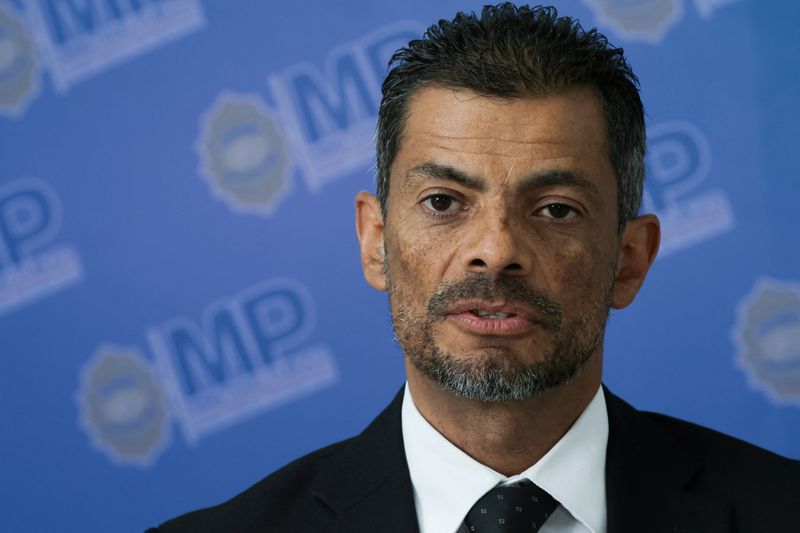 Conflict & Security•3 min readCosta Rica to Target 'Invisible Traffickers' with DEA
 Health•3 min readPresident Trump announces nursing‑home nurse recruitment initiative at Florida rally