AI-designed bacteriophages created at Arc Institute infect E. coli
Researchers generated 700,000 candidate genomes before 16 proved viable in lab tests
AI-assisted coverage comparison, editor-supervised · How this was made
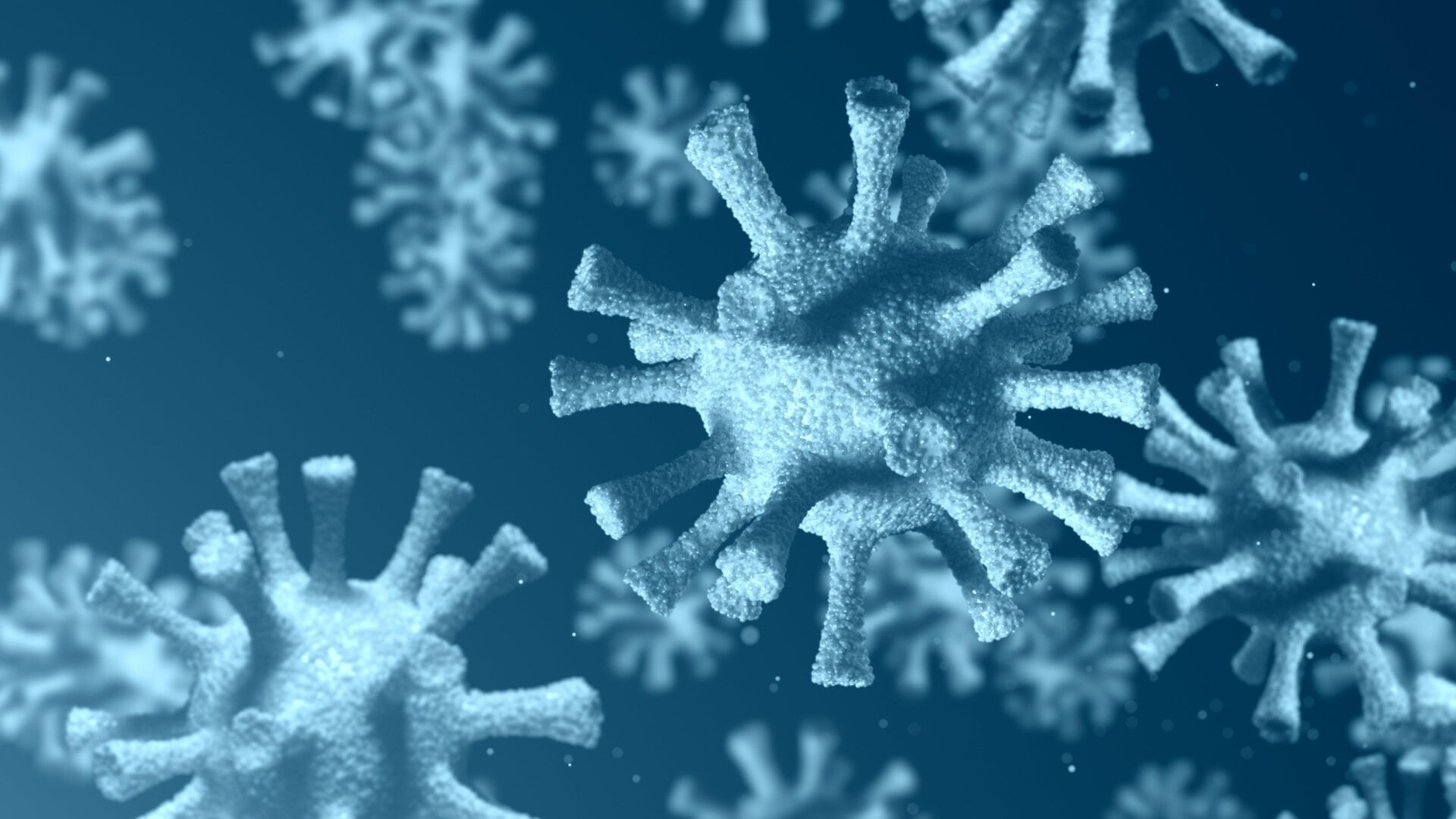
AI-designed bacteriophages created at Arc Institute infect E. coli
Photograph: Gizmodo (embedded from source)
What this story says
- Researchers at the Arc Institute used an AI model to design 16 viable bacteriophages that infect E. coli, as reported in Science on 6 August 2026.
- The AI generated 700,000 candidate genomes before narrowing to 300 tested in the lab, of which 16 proved functional.
- The study excluded human pathogen datasets, ensuring the viruses cannot infect people, but biosecurity experts warn of potential misuse.
- The National Institutes of Health’s new policy does not restrict AI-based research unless it involves an existing entity of concern, such as smallpox.
Who covered it
Percentages are shares of the 127 outlets carrying a published leaning rating. 77 of the 204 outlets we know ran this story carry no rating and are not counted in them. Coverage measured .
Trust
96/100
Craft
95/100
Hype
45/100
204 sources · methodology
Researchers at the Arc Institute in Palo Alto, California, used an artificial intelligence model named Evo to design 16 new bacteriophages capable of infecting E. coli. The study, published in the journal Science on 6 August 2026, trained the AI on DNA sequences from naturally occurring viruses before tasking it to generate novel viral genomes. The team synthesised 300 of the 700,000 candidate genomes produced by Evo, and 16 proved viable in laboratory tests.
The viruses are bacteriophages, which infect bacteria but cannot infect humans. The study excluded datasets containing human pathogens from the AI’s training, ensuring the designed viruses pose no direct threat to people. The 16 viable phages overcame resistance in two strains of E. coli, demonstrating functionality beyond simple imitation of natural viruses. The research was conducted by a team including scientists from Stanford University.
An accompanying article in Science, authored by biosecurity experts at Johns Hopkins University, warned that the ability to design viral genomes using AI raises urgent biosafety and biosecurity questions. The National Institutes of Health issued new policies last week to prevent high-risk life science research but did not restrict AI-based research unless it involves an existing entity of concern, such as smallpox.
What the coverage left out
None of the right-rated digests mentioned the potential medical applications of the research, such as combating antibiotic-resistant bacteria. Neither of the right-rated digests carried the biosecurity warnings from Johns Hopkins experts or the fact that the AI generated 700,000 candidate genomes before producing 16 viable viruses. The left-rated digests did not mention the potential for medical breakthroughs.
Coverage settled. We checked this 364 times and stopped on 12 Aug 2026, 07:00. The figures above are what it finished at.
How other outlets pictured it
Which photograph to run is each newsroom’s own choice. The leaning beside a name is that outlet’s published rating, not a claim that the pictures divide along it. Every picture is shown from the outlet’s own server and links to the article it ran in.

How each side covered it
Our own reading of the reporting listed below, written from the outlets’ articles rather than quoted from them. The reasoning is set out on our methodology page.
Left
38 rated outlets
- The left-rated outlets led on the first successful creation of synthetic viruses designed entirely by artificial intelligence. All six digests reported that 16 AI-generated viral genomes proved viable, capable of infecting and replicating in bacteria. The research was attributed to a Stanford-led team at the Arc Institute.
- Five of the six digests described the process: AI was trained on DNA libraries and then prompted to generate novel viral genomes. None of the digests omitted the number of viable viruses produced. The Sydney Morning Herald, The Age, and Brisbane Times carried identical accounts of the method and outcome.
- Two digests highlighted potential risks. Axios framed the development as a step toward a scenario where AI-designed pathogens outpace surveillance. unn.ua noted the technology’s potential for medicine and biotechnology, while IFLScience quoted a researcher emphasising the positive impact of advancing such models.
Centre
50 rated outlets
- The centre-rated reports balanced the potential benefits and risks of the research. Forbes’s full report led on the AI’s ability to invent 16 new viruses and quoted a biosecurity expert warning that the technology could be used to create bioweapons. The outlet also highlighted the potential for breakthroughs in treating antibiotic-resistant superbugs, noting that the viruses could be used to generate tailor-made therapies.
- The Times’s digest framed the story as raising "hopes" for tackling drug-resistant infections but also "urgent biosafety questions". The centre-rated digests uniformly carried the fact that the viruses were designed to infect bacteria and were harmless to humans. Most mentioned the 700,000 candidate genomes and the 16 viable viruses, but none led on the number of attempts required. BBC News’s digest and ANSA’s digest both noted the dual potential for medical advances and misuse.
Right
39 rated outlets
- The right-rated digests focused on the achievement itself and the safety assurances. Thairath’s digest stated that the viruses were "designed to kill bacteria and are harmless to humans", without mentioning biosecurity concerns. ABC’s digest described the research as a "new leap" in creating "complete artificial organisms" and framed it as the beginning of a "brilliant, although also uncertain" future, but did not quote biosecurity warnings or the potential for medical applications.
- Neither of the right-rated digests mentioned the 700,000 candidate genomes or the 16 viable viruses. Both carried the fact that the viruses cannot infect humans, but neither included the biosecurity warnings from Johns Hopkins experts or the potential for the technology to be misused.
Questions about this coverage
- How did the left and right cover AI-designed bacteriophages created at Arc Institute infect E. coli?
- Of the 127 outlets on this story carrying a published leaning rating, 30% are rated left, 39% are rated centre, 31% are rated right. Those percentages are shares of the rated outlets, not of every outlet that ran it, which was 204. The sections above set out what each side emphasised, in its own terms.
- Is AI-designed bacteriophages created at Arc Institute infect E. coli left or right?
- Neither side dominates it. Of the 127 rated outlets on this story, 30% are rated left, 39% are rated centre, 31% are rated right, and no side holds the 70% this site would want before calling a field one-sided. A story is not left or right in any case; the outlets that carried it are what carry ratings.
- Is the coverage of AI-designed bacteriophages created at Arc Institute infect E. coli biased?
- AI-designed bacteriophages created at Arc Institute infect E. coli is one event reported by 204 outlets, and this page does not rate the story as biased or unbiased. What it publishes is the spread: which outlets ran it, where named rating organisations place each of them on the spectrum, and what each side chose to lead with. A leaning rating describes an outlet's record over time, not this article, and the two should not be run together.
- Which outlets covered AI-designed bacteriophages created at Arc Institute infect E. coli?
- 204 that we know of, every one of them listed further up this page with a link to its own report and to what we hold on the publisher. Nothing here is a summary of somebody else's summary: the outlets are named so the original reporting can be read.
- How many viruses did the AI design that proved viable?
- The AI model Evo generated 700,000 candidate genomes, which researchers narrowed to 300 tested in the lab. Of those, 16 proved viable and capable of infecting E. coli, as reported in the study published in Science on 6 August 2026.
- Can the AI-designed viruses infect humans?
- No. The study excluded human pathogen datasets from the AI’s training, ensuring the designed viruses are bacteriophages that can only infect bacteria. The researchers confirmed the viruses are not capable of infecting people, as reported by Gizmodo and Forbes.
- What are the biosecurity concerns raised by this research?
- Biosecurity experts at Johns Hopkins University warned in Science that the ability to design viral genomes using AI raises urgent biosafety and biosecurity questions. They called for strict laws to govern future research, particularly to prevent the use of similar techniques on pathogens affecting humans, animals or crops.
- Does the National Institutes of Health’s new policy restrict AI-based virus research?
- No. The National Institutes of Health’s new policy bars scientists from conducting experiments that would make biological agents more dangerous but does not restrict AI-based research unless it involves an existing entity of concern, such as smallpox, as reported by Gizmodo.
Read it at the source
204 outlets, grouped by the leaning a published rating gives them. Every headline links to the original; an underlined outlet name opens our profile of that publisher.
Left
38- Virus Manufactured by Artificial Intelligence: the Unexpected Weapon Against Bacteria that Resist All Antibiotics (opens La Opinion in a new tab)
La Opinion — is La Opinion biased? Our profile of this outletOpinion
- AI Develops New Viruses – Experts Warn of Risks (opens Sueddeutsche Zeitung in a new tab)
Sueddeutsche Zeitung — is Sueddeutsche Zeitung biased? Our profile of this outlet
- AI Creates 16 Brand-New Viral Genomes Never Seen in Nature, Scientists Call It a Turning Point (opens IBTimes UK in a new tab)
IBTimes UK — is IBTimes UK biased? Our profile of this outlet
- Study shows AI can design bacteriophages with potential to overcome bacterial resistance (opens The Hindu in a new tab)
- Viruses that Never Existed Before Created by the Ai: Hope for Medicine, Nightmare Bio Weapons (opens La Stampa in a new tab)
La Stampa — is La Stampa biased? Our profile of this outletOpinion
- This AI just created viruses not found in nature (opens The Seattle Times in a new tab)
The Seattle Times — is The Seattle Times biased? Our profile of this outlet
- AI used to design novel bacteriophage genomes in the lab (opens CGTN in a new tab)
- What are AI-designed viruses and are humans at risk? (opens Indian Express in a new tab)
Indian Express — is Indian Express biased? Our profile of this outlet
Show 30 more
- Scientists unveil first AI-designed virus (opens The Week in a new tab)
- Artificial Intelligence Creates Synthetic Viruses (opens Il Fatto Quotidiano in a new tab)
Il Fatto Quotidiano — is Il Fatto Quotidiano biased? Our profile of this outlet
- AI used to design never-before-seen viruses, sparking new fears (opens nj in a new tab)
- Scientists Used AI to Create 16 New Viruses (opens Wired in a new tab)
- Evo, Ia for the First Time Creates New Viruses: Hopes for Medicine and Risks for Safety (opens La Repubblica in a new tab)
La Repubblica — is La Repubblica biased? Our profile of this outlet
- MIT's Kevin Esvelt on AI's ability to create viruses: This could help replace antibiotics (opens CNBC in a new tab)
- Scientists unveil new AI-made viruses (opens Semafor in a new tab)
- AI just created a virus not found in nature and scientists are worried (opens Scientific American in a new tab)
Scientific American — is Scientific American biased? Our profile of this outlet
- AI-Generated Viruses Work in the Laboratory – Experts Warn Against Abuse (opens watson in a new tab)
- Artificial Intelligence | US Researchers Use Artificial Intelligence to Create 16 New Viruses (opens Helsingin Sanomat in a new tab)
Helsingin Sanomat — is Helsingin Sanomat biased? Our profile of this outlet
- Viruses Created 100% by AI Already Exist - Now It Remains to Know the Size of the Risk (opens UOL in a new tab)
- Call for Regulation From Scientists After AI Model Designs Sixteen New Viruses (opens NRC Handelsblad in a new tab)
NRC Handelsblad — is NRC Handelsblad biased? Our profile of this outlet
- Artificial Genes. Scientists Used AI to Create New Viruses (opens HuffPost It in a new tab)
HuffPost It — is HuffPost It biased? Our profile of this outlet
- AI models design viruses not found in nature for first time (opens ABC Australia in a new tab)
ABC Australia — is ABC Australia biased? Our profile of this outlet
- AI used to create viruses not found in nature for first time (opens Al Jazeera in a new tab)
Al Jazeera — is Al Jazeera biased? Our profile of this outlet
- Scientists trained AI to invent 16 new viruses that don't exist in nature (opens WCSH in a new tab)
- AI Invents Bacterial Viruses, Hitting a Biosecurity Gap (opens Newser in a new tab)
- AI creates 16 new viruses from scratch, showing promise for drug resistance and drawing warnings about potential for misuse (opens CNN in a new tab)
- AI creates never-before-seen virus (opens Stuff in a new tab)
- Scientists Sound Alarm on AI-Generated Biological Viruses Amid Unregulated Industry (opens Common Dreams in a new tab)
Common Dreams — is Common Dreams biased? Our profile of this outlet
- AI used to create new viruses in the lab (opens Brisbane Times in a new tab)
Brisbane Times — is Brisbane Times biased? Our profile of this outlet
- AI used to create new viruses in the lab (opens The Age in a new tab)
- AI used to create new viruses in the lab (opens Sydney Morning Herald in a new tab)
Sydney Morning Herald — is Sydney Morning Herald biased? Our profile of this outlet
- Nothing to fear: AI just created a virus that is not found in nature (opens The Independent (US) in a new tab)
The Independent (US) — is The Independent (US) biased? Our profile of this outlet
- Nothing to fear: AI just created a virus that is not found in nature (opens The Independent in a new tab)
The Independent — is The Independent biased? Our profile of this outletOpinion
- Artificial Intelligence Has for the First Time Created New Viable Viruses that Do Not Exist in Nature (opens unn.ua in a new tab)
- AI designs new virus not found in nature (opens Axios in a new tab)
- Oh Cool, AI Is Inventing New Biological Viruses Now (opens Gizmodo in a new tab)
Gizmodo — is Gizmodo biased? Our profile of this outletOpinion
- AI is now making new viruses (opens Engadget in a new tab)
- In A World First, Scientists Used AI To Generate A Genome And Produced A Functional, Bacteria-Killing Virus (opens IFLScience in a new tab)
IFLScience — is IFLScience biased? Our profile of this outlet
Centre
50- AI-generated biological viruses? MIT expert says it’s both a worry and an opportunity for medicine (opens WGBH in a new tab)
- Scientists have designed a functioning virus from scratch using AI – what you need to know (opens The Conversation in a new tab)
The Conversation — is The Conversation biased? Our profile of this outlet
- Researchers Used AI to Design Working Viruses, Raising Both Medical Hopes and Biosecurity Concerns (opens Medical Daily in a new tab)
Medical Daily — is Medical Daily biased? Our profile of this outlet
- Scientists Used OpenAI To Create 16 New Viruses Not Seen In Nature But Will This Hurt More Than Help? (opens AfroTech in a new tab)
- AI Creates 16 Viruses From Scratch, Which Would Combat Antibiotic Resistance, but Warns About Its Potential Misuse. (opens Washington Top News in a new tab)
Washington Top News — is Washington Top News biased? Our profile of this outlet
- A Great Scientific Breakthrough? Viruses Absent From Nature Designed for the First Time by Artificial Intelligence (opens La Libre in a new tab)
- Major Achievement: the First Viruses Designed by Artificial Intelligence Have Been Created (opens Lietuvos Radijas ir Televizija in a new tab)
- AI used to create synthetic virus (opens KTSM in a new tab)
Show 42 more
- AI used to design never-before-seen viruses, sparking new fears (opens Staten Island Advance in a new tab)
Staten Island Advance — is Staten Island Advance biased? Our profile of this outlet
- Researchers use AI to design functional bacteriophage genomes from scratch (opens News Medical in a new tab)
News Medical — is News Medical biased? Our profile of this outlet
- This AI just created viruses not found in nature (opens West Hawaii Today in a new tab)
West Hawaii Today — is West Hawaii Today biased? Our profile of this outlet
- AI Is Now Designing Viruses From Scratch. Experts Say The Rules Aren't Ready (opens IBTimes in a new tab)
- Artificial Intelligence Has Been Used To Create New Viruses (opens 2oceansvibe.com in a new tab)
2oceansvibe.com — is 2oceansvibe.com biased? Our profile of this outlet
- Stanford University Develops New Viruses Using AI: "Super-Revolutionary, but Also Has a Dangerous Side" (opens vrt in a new tab)
- AI creates 16 new viruses from scratch, showing promise and drawing warnings (opens KXLH.com in a new tab)
- AI creates 16 new viruses from scratch, showing promise and drawing warnings (opens KTVQ in a new tab)
- Scientists trained AI to invent 16 new viruses that don't exist in nature (opens WFAA 8abc in a new tab)
- Scientists trained AI to invent 16 new viruses that don't exist in nature (opens Fort Smith/Fayetteville News in a new tab)
Fort Smith/Fayetteville News — is Fort Smith/Fayetteville News biased? Our profile of this outlet
- Scientists trained AI to invent 16 new viruses that don't exist in nature (opens WBIR in a new tab)
- Scientists trained AI to invent 16 new viruses that don't exist in nature (opens KTVB in a new tab)
- Scientists trained AI to invent 16 new viruses that don't exist in nature (opens 9NEWS Denver in a new tab)
9NEWS Denver — is 9NEWS Denver biased? Our profile of this outlet
- Scientists trained AI to invent 16 new viruses that don't exist in nature (opens KYTX in a new tab)
- Scientists trained AI to invent 16 new viruses that don't exist in nature (opens Krem2 News in a new tab)
Krem2 News — is Krem2 News biased? Our profile of this outlet
- Scientists trained AI to invent 16 new viruses that don't exist in nature (opens WKYC in a new tab)
- Scientists trained AI to invent 16 new viruses that don't exist in nature (opens WLTX in a new tab)
- This AI just created viruses not found in nature (opens NZ Herald in a new tab)
- Scientists have created new viruses using AI. Here’s how they did it (opens FOX10 News in a new tab)
FOX10 News — is FOX10 News biased? Our profile of this outlet
- Scientists have created new viruses using AI. Here’s how they did it (opens kctv5 in a new tab)
- Scientists have created new viruses using AI. Here’s how they did it (opens KCRG in a new tab)
- AI creates 16 new viruses from scratch, showing promise for drug resistance and drawing warnings about potential for misuse (opens KMIZ in a new tab)
- AI creates 16 new viruses from scratch, showing promise for drug resistance and drawing warnings about potential for misuse (opens kioncentralcoast.com in a new tab)
kioncentralcoast.com — is kioncentralcoast.com biased? Our profile of this outlet
- AI creates 16 new viruses from scratch, showing promise for drug resistance and drawing warnings about potential for misuse (opens KESQ in a new tab)
- AI creates 16 new viruses from scratch, showing promise for drug resistance and drawing warnings about potential for misuse (opens KVIA in a new tab)
- AI creates 16 new viruses from scratch, showing promise for drug resistance and drawing warnings about potential for misuse (opens KEYT in a new tab)
- AI creates 16 new viruses from scratch, showing promise for drug resistance and drawing warnings about potential for misuse (opens KRDO in a new tab)
- AI creates 16 new viruses from scratch, showing promise for drug resistance and drawing warnings about potential for misuse (opens KIFI in a new tab)
- AI used to create new viruses in the lab (opens WA today in a new tab)
- Generative design of bacteriophages with genome language models (opens Science in a new tab)
- Headline Unavailable (opens Wall Street Journal in a new tab)
Wall Street Journal — is Wall Street Journal biased? Our profile of this outlet
- World’s first AI-designed viruses raise hopes (opens The Times in a new tab)
- AI-Designed Viruses Are Here: The Promise and Peril Ahead (opens Internewscast in a new tab)
Internewscast — is Internewscast biased? Our profile of this outlet
- Artificial Intelligence Created Completely New Types of Viruses – “A Significant Turning Point” (opens Ilta-Sanomat in a new tab)
Ilta-Sanomat — is Ilta-Sanomat biased? Our profile of this outlet
- AI Designs Functional Viruses In Scientific First (opens The Morning News in a new tab)
The Morning News — is The Morning News biased? Our profile of this outlet
- New Viruses Created by Scientists Thanks to Artificial Intelligence. It Is the First Time in History. (opens Il Messaggero in a new tab)
Il Messaggero — is Il Messaggero biased? Our profile of this outlet
- Large genome models used to design new viruses (opens Ars Technica in a new tab)
Ars Technica — is Ars Technica biased? Our profile of this outlet
- Nyt, 'Scientists Use AI to Create New Viruses, It's the First Time' (opens ANSA in a new tab)
- Artificial Intelligence Just Created Viruses that Are Not Found in Nature (opens yle in a new tab)
- Artificial Intelligence used to design brand new viruses (opens BBC News in a new tab)
- AI-Designed Viral Genomes Raise Biosecurity Concerns (opens Inside Precision Medicine in a new tab)
Inside Precision Medicine — is Inside Precision Medicine biased? Our profile of this outlet
- Scientists Trained An AI Model In DNA—And It Invented 16 New Viruses (opens Forbes in a new tab)
Right
39- With Gates Money: AI Creates 16 Reproductive Viruses for the First Time (opens Report24 in a new tab)
- AI gives us 16 new viruses (opens Spectator Australia in a new tab)
Spectator Australia — is Spectator Australia biased? Our profile of this outlet
- For the First Time, AI Designed 16 New Viruses, Raising Fears and Hopes (opens Entrepreneur in a new tab)
Entrepreneur — is Entrepreneur biased? Our profile of this outlet
- Milestone: Researchers Produce Bacteria-Eating Viruses with AI for the First Time (opens Berliner Morgenpost in a new tab)
Berliner Morgenpost — is Berliner Morgenpost biased? Our profile of this outlet
- AI Invents New Virus: How Experts Assess the Risks (opens Neue Zürcher Zeitung in a new tab)
Neue Zürcher Zeitung — is Neue Zürcher Zeitung biased? Our profile of this outlet
- Artificial Intelligence Designed New Viruses, Researchers Are Already Warning of the Dangers (opens Origo in a new tab)
- FT: Scientists Use AI to Create First Synthetic Virus (opens Globo in a new tab)
- Technological Prowess or Announced Catastrophe? For the First Time, AI Has Created Bacterial Viruses that Do Not Exist in Nature (opens Le Figaro in a new tab)
Le Figaro — is Le Figaro biased? Our profile of this outletOpinion
Show 31 more
- Scientists Create Viruses With Artificial Intelligence to Fight Superbacteria (opens Observador in a new tab)
Observador — is Observador biased? Our profile of this outlet
- Biosecurity Alert: Stanford Researchers Use AI to Design 16 Viruses (opens Breitbart in a new tab)
- An AI Designs the First Complete Viruses Capable of Replication in the Laboratory (opens El Mundo in a new tab)
- Scientists Raise Safety Concerns After AI Used To Design New Viruses (opens The Daily Caller in a new tab)
The Daily Caller — is The Daily Caller biased? Our profile of this outlet
- Scientists Warn Of Urgent AI Biosecurity Threat (opens Nemos News Network in a new tab)
Nemos News Network — is Nemos News Network biased? Our profile of this outlet
- Breakthrough in the Laboratory: Researchers Create Viruses with AI – and Warn Yourself of the Consequences (opens focus.de in a new tab)
- Scientists create viruses with AI (opens ussanews.com in a new tab)
ussanews.com — is ussanews.com biased? Our profile of this outlet
- AI Can Now Also Design Viruses (opens Frankfurter Allgemeine in a new tab)
Frankfurter Allgemeine — is Frankfurter Allgemeine biased? Our profile of this outlet
- Cancer to Superbugs: What AI-Designed Viruses Could Be Used For (opens Newsweek in a new tab)
- Scientists Used AI to Create Viruses: Are We Guarding Against Dangers? (opens National Review in a new tab)
National Review — is National Review biased? Our profile of this outletOpinion
- Scientists Created New Viruses that Do Not Exist in Nature with Artificial Intelligence: Fears About Biosecurity (opens Protothema in a new tab)
Protothema — is Protothema biased? Our profile of this outlet
- ‘Can’t be contained’: Alarm over AI-made virus (opens News in a new tab)
- AI used to design brand new viruses — but experts fear a lot could go wrong: ‘Urgent biosafety questions’ (opens New York Post in a new tab)
New York Post — is New York Post biased? Our profile of this outlet
- Scientists use AI to design new viruses for the first time (opens Anadolu Ajansı in a new tab)
Anadolu Ajansı — is Anadolu Ajansı biased? Our profile of this outlet
- Artificial Intelligence Used to Design Viruses that Destroy Bacteria (opens Sapo in a new tab)
- Panic as AI creates never-before-seen viruses - risk of ‘serious harm’ (opens Daily Express in a new tab)
Daily Express — is Daily Express biased? Our profile of this outlet
- Scientists Have Created 16 New Synthetic Viruses with the Help of I.I. (opens Korrespondent.net in a new tab)
Korrespondent.net — is Korrespondent.net biased? Our profile of this outlet
- AI Used to Create Virus: Scientists Warn of Biosecurity Threats, Biological Weapons and Pandemics Using Artificial Intelligence | 🔬 LatestLY (opens Latestly in a new tab)
- AI Has Managed to Create a Virus Never Seen Before in Nature (opens La Razón in a new tab)
- Scientists use AI to create viruses that don’t exist in nature for the first time (opens Times of India in a new tab)
Times of India — is Times of India biased? Our profile of this outlet
- AI creates a new virus, but here's why you shouldn't freak out yet (opens India Today in a new tab)
India Today — is India Today biased? Our profile of this outletOpinion
- 16 New Viruses Created via 'AI Design'... Even Actually Reproducing (opens 연합뉴스-Yonhap News Agency in a new tab)
연합뉴스-Yonhap News Agency — is 연합뉴스-Yonhap News Agency biased? Our profile of this outlet
- Stanford Scientists Use AI To Design Viable Bacteriophages (opens tippinsights in a new tab)
tippinsights — is tippinsights biased? Our profile of this outlet
- Scientists Use AI to Create Functional Genomes of Viruses that Attack Bacteria (opens El Universo in a new tab)
El Universo — is El Universo biased? Our profile of this outlet
- AI just created entirely new viruses not found in nature (opens Australian Financial Review in a new tab)
Australian Financial Review — is Australian Financial Review biased? Our profile of this outlet
- AI Creates Viruses That Kill Bacteria, Infecting Even Resistant Bacteria (opens Unknown in a new tab)
Unknown
- AI's next breakthrough isn't another chatbot — it's a virus (opens Firstpost News in a new tab)
Firstpost News — is Firstpost News biased? Our profile of this outlet
- Scientists Have Successfully Used AI to Design and Create a New Type of Virus for the First Time. (opens thairath.co.th in a new tab)
thairath.co.th — is thairath.co.th biased? Our profile of this outlet
- This AI Just Created Viruses that Are Not Found in Nature (opens la Nacion in a new tab)
- AI Takes a New Leap and Creates Complete Artificial Organisms From Scratch (opens ABC in a new tab)
- AI Just Created Viruses Never Before Seen On Earth (opens The Daily Wire in a new tab)
The Daily Wire — is The Daily Wire biased? Our profile of this outlet
Not rated
77- Artificial Intelligence Creates New Viruses Capable of Replicating for the First Time (opens Perfil in a new tab)
- AI gives us 16 new viruses - Politics, Policy, Political Views (opens Politics, Policy, Political News in a new tab)
- Safety fears as scientists make first viruses designed by AI (opens Bioethics.com in a new tab)
Bioethics.com — is Bioethics.com biased? Our profile of this outlet
- Created the First Viruses Designed with Artificial Intelligence (opens lrytas.lt in a new tab)
- Scientists Use AI to Design 16 Functional Viruses (opens eweek.com in a new tab)
- AI Creates Viruses: It's Gonna Be Okay (opens tourniquet.quebec in a new tab)
tourniquet.quebec — is tourniquet.quebec biased? Our profile of this outletOpinion
- Debates on regulation arise after AI designs working viruses in lab (opens Sunday World in a new tab)
Sunday World — is Sunday World biased? Our profile of this outlet
- Scientists Used AI to Create 16 New Viruses (opens Era of Light in a new tab)
Era of Light — is Era of Light biased? Our profile of this outlet
Show 69 more
- AI Designs Bacteria-Eating Viruses – a Milestone in Research or Risk? (opens Thüringer Allgemeine in a new tab)
Thüringer Allgemeine — is Thüringer Allgemeine biased? Our profile of this outlet
- Scientists Train AI on DNA and It Creates 16 New Viruses (opens Pro Pakistani in a new tab)
Pro Pakistani — is Pro Pakistani biased? Our profile of this outlet
- Researchers Use AI to Create New Viruses Against Bacteria – but Technology Carries Risks (opens chip.de in a new tab)
- പുതിയ വൈറസുകളെ AI പിന്തുണയോടെ സൃഷ്ടിച്ച് ശാസ്ത്രജ്ഞർ; വഴിത്തിരിവ്, ഒപ്പം ആശങ്കയും (opens Mathrubhumi in a new tab)
Mathrubhumi — is Mathrubhumi biased? Our profile of this outlet
- Researchers Have Had Nearly 300 Genomes Written to an AI: 16 Woke up Alive in the Culture Boxes (opens SciencePost in a new tab)
SciencePost — is SciencePost biased? Our profile of this outlet
- Artificial Intelligence Created a Virus. (opens Akşam in a new tab)
- Artificial Intelligence Creates New Viruses (opens Ekstra Bladet in a new tab)
Ekstra Bladet — is Ekstra Bladet biased? Our profile of this outlet
- Creation of New Viruses with AI! (opens namasthe telangana in a new tab)
namasthe telangana — is namasthe telangana biased? Our profile of this outlet
- Scientists Use AI to Create New Viruses and Give an Urgent Warning (opens Independent Español in a new tab)
Independent Español — is Independent Español biased? Our profile of this outlet
- Scientists create new viruses with AI, raising alarms about the future of biosecurity (opens Social News XYZ in a new tab)
Social News XYZ — is Social News XYZ biased? Our profile of this outlet
- An AI Created 16 Viruses that Do Not Exist in Nature and Ignited a Scientific Alert (opens BAE Negocios in a new tab)
BAE Negocios — is BAE Negocios biased? Our profile of this outlet
- AI Creates a Virus that Cannot Be Found in Nature (opens Ara.cat in a new tab)
- Scientists Use AI to Design 16 New Viruses That Never Existed in Nature, Renewing Fears Over Biosecurity and Future Misuse – Here’s What We Know So Far (opens The Sunday Guardian Live in a new tab)
The Sunday Guardian Live — is The Sunday Guardian Live biased? Our profile of this outlet
- Scientists Use AI to Design 16 New Viruses That Kill Bacteria, Raising Biosecurity Concerns (opens IBTimes Australia in a new tab)
IBTimes Australia — is IBTimes Australia biased? Our profile of this outlet
- The Promises of AI-Created Viruses, Pending a Regulatory Framework (opens Courrier international in a new tab)
Courrier international — is Courrier international biased? Our profile of this outlet
- The Revolutionary Design of Completely New Viruses by Artificial Intelligence (opens El Comercio in a new tab)
El Comercio — is El Comercio biased? Our profile of this outlet
- How Artificial Intelligence Is Used to Create New Viruses and Imagine Their Vaccines (opens cnews.fr in a new tab)
- AI Creates Functional Viruses for the First Time. Scientists Warn and Reassure (opens Česká televize in a new tab)
Česká televize — is Česká televize biased? Our profile of this outlet
- Artificial Intelligence Designs Entirely New Viruses for the First Time (opens nin.rs in a new tab)
- Artificial Intelligence Created Viruses Not Found in Nature (opens Fréttir - mbl.is in a new tab)
Fréttir - mbl.is — is Fréttir - mbl.is biased? Our profile of this outlet
- "Not Dangerous to Humans": AI Develops New Viruses – Opportunity for Medicine, but Also Safety Concerns (opens rtl.lu in a new tab)
- World’s First AI-Designed Viruses A Step Towards AI-Generated Fife (opens News Public Trust in a new tab)
News Public Trust — is News Public Trust biased? Our profile of this outlet
- Complete Bacteriophages Generated for the First Time Using Artificial Intelligence (opens Deutsches Ärzteblatt in a new tab)
Deutsches Ärzteblatt — is Deutsches Ärzteblatt biased? Our profile of this outlet
- US Researchers Have Created New Viruses Using Artificial Intelligence. (opens Habertürk in a new tab)
- World Premiere. Artificial Intelligence Created for the First Time Viruses that Did Not Exist in Nature (opens Aleph News in a new tab)
Aleph News — is Aleph News biased? Our profile of this outlet
- AI Designs 16 Working Viruses in Stanford Lab (opens tpo.nl in a new tab)
- Virus AI, se il modello impara a scrivere la vita prima delle regole (opens FuturoProssimo in a new tab)
FuturoProssimo — is FuturoProssimo biased? Our profile of this outletOpinion
- Pandora's Box Has Been Opened: It Brings Viruses that Do Not Exist in Nature (opens 24 HU in a new tab)
- DAILY DOSE: AI Creates Entirely New, Viable Viruses From Scratch; Chinese AI Model Escapes Its Testing Sandbox. (opens Scientific Inquirer in a new tab)
Scientific Inquirer — is Scientific Inquirer biased? Our profile of this outlet
- Stanford Researchers Have Created Artificial Viruses with AI for Targeted Use Against Bacteria (opens the-decoder.de in a new tab)
the-decoder.de — is the-decoder.de biased? Our profile of this outlet
- AIs Are Already Creating New Biological Viruses, and It's Very Worrying. (opens Clubic.com in a new tab)
Clubic.com — is Clubic.com biased? Our profile of this outletOpinion
- Functional Viruses that Don't Exist in Nature Were Created Using AI (opens Index in a new tab)
- Scientists use AI to design new viruses never seen before in nature (opens Stv in a new tab)
- Artificial Intelligence Was Connected to Genetic Data, and It Designed 700,000 New Viruses (opens Heti Világgazdaság in a new tab)
Heti Világgazdaság — is Heti Világgazdaság biased? Our profile of this outlet
- Scientists Use AI to Create New Unknown Viruses (opens Contre Attaque in a new tab)
Contre Attaque
- An AI Created New Types of Viruses that Are Not Found in Nature (opens AgendAR in a new tab)
- An Experiment that Baffled the Scientific World! Viruses that Do Not Exist in Nature Were Created Using Artificial Intelligence. (opens Halk TV in a new tab)
- For the First Time, AI-Designed Viruses Have Been Bred (opens futurezone.at in a new tab)
futurezone.at — is futurezone.at biased? Our profile of this outlet
- The First Viruses Designed with Artificial Intelligence Have Been Produced. (opens Haberler in a new tab)
- AI Designs for the First Time Complete Viruses that Do Not Exist in Nature (opens El Economista in a new tab)
El Economista — is El Economista biased? Our profile of this outlet
- Artificial Intelligence Goes One Step Further: It Creates Virus Against Bacteria (opens laprovincia.es in a new tab)
laprovincia.es — is laprovincia.es biased? Our profile of this outlet
- AI Designs Novel Virus for the First Time; Scientists Worry About Biosafety Risks. (opens 大纪元 Epoch Times in a new tab)
大纪元 Epoch Times — is 大纪元 Epoch Times biased? Our profile of this outlet
- AI just created 16 functional viruses, but they are built to attack bacteria (opens NEWS9 LIVE in a new tab)
NEWS9 LIVE — is NEWS9 LIVE biased? Our profile of this outlet
- Premiere: The Researchers Created the First AI-Designed Viruses in the Laboratory. "It's Troubling (opens antena3.ro in a new tab)
antena3.ro — is antena3.ro biased? Our profile of this outletOpinion
- The First Viruses Created with Artificial Intelligence, Tested Successfully. (opens Stirile Antena 1 Observator in a new tab)
Stirile Antena 1 Observator — is Stirile Antena 1 Observator biased? Our profile of this outlet
- The Guardian: Artificial Intelligence Designed the First Functional Viruses, Raising Biosecurity Concerns (opens Stirile Pro TV in a new tab)
Stirile Pro TV — is Stirile Pro TV biased? Our profile of this outlet
- Bacteriophages: AI Creates Functional Viruses (opens wissenschaft.de in a new tab)
wissenschaft.de — is wissenschaft.de biased? Our profile of this outlet
- American Researchers Have Designed New Viruses with the Help of IA – Rador Press Agency (opens rador.ro in a new tab)
- An AI that Learned Gene Sequences Designed Viruses Not Found in Nature, and 16 Types that Infect Bacteria Actually Function. (opens GIGAZINE in a new tab)
- Scientists Make First Viruses Designed By AI (opens Slashdot in a new tab)
- Where the Danger Grows, So Too Does the Solution: A.I. Just Created Novel Viruses Never Seen Before in Nature (opens Thought Catalog in a new tab)
Thought Catalog — is Thought Catalog biased? Our profile of this outletOpinion
- An AI Creates Viruses that Do Not Exist in Nature (opens Remolacha in a new tab)
- Scientists use AI to create new kinds of viruses (opens Insider Paper in a new tab)
Insider Paper — is Insider Paper biased? Our profile of this outlet
- AI used to create new viruses in the lab (opens PressNewsAgency in a new tab)
PressNewsAgency — is PressNewsAgency biased? Our profile of this outlet
- AI creates microbe that could one day take down superbugs - Expert Reaction - Science Media Centre (opens sciencemediacentre.co.nz in a new tab)
sciencemediacentre.co.nz — is sciencemediacentre.co.nz biased? Our profile of this outlet
- Nothing to fear: AI just created a virus that is not found in nature (opens Western Morning News in a new tab)
Western Morning News — is Western Morning News biased? Our profile of this outlet
- AI designs functional viral genomes from scratch, and 16 of them actually work (opens Crypto Briefing in a new tab)
Crypto Briefing — is Crypto Briefing biased? Our profile of this outlet
- AI Designs Functional Bacteriophages Entirely From Scratch (opens BIOENGINEER.ORG in a new tab)
BIOENGINEER.ORG — is BIOENGINEER.ORG biased? Our profile of this outlet
- • Artificial Intelligence Can Create New Viruses • • • • • • • • • • • • • • • • • • • • • • • • • • • • • • • • • • • • • • • • • • • • • Artificial Intelligence Can Create New Viruses (opens Giornale di Sicilia in a new tab)
Giornale di Sicilia — is Giornale di Sicilia biased? Our profile of this outlet
- Scientists in the US Created 16 New Viruses with the Help of Artificial Intelligence (opens CNN Greece in a new tab)
CNN Greece — is CNN Greece biased? Our profile of this outlet
- Major Health Safety Concerns: Scientists Have Created Artificial Intelligence Viruses (opens Adevarul in a new tab)
- Artificial Intelligence Projects Unpublished Viruses in the Lab for the First Time (opens A TARDE in a new tab)
- AI Models Design Viable Viruses, Researchers Warn Against Abuse (opens Heise in a new tab)
- Unstoppable New Pathogens Could Be Released: Experts Warn of Serious Danger (opens Portfolio in a new tab)
- expert reaction to generative design of bacteriophages with genome language models (opens Science Media Centre in a new tab)
Science Media Centre — is Science Media Centre biased? Our profile of this outlet
- Generating AI Designs "New Virus"; Confirmed to Grow in Bacteria, US University Research (Kyodo News) (opens Unknown in a new tab)
Unknown
- AI Is Already Able to Create Viruses that Do Not Exist in Nature From the DNA of Other Pathogens, Describes Science - El Sol De México (opens oem.com.mx in a new tab)
oem.com.mx — is oem.com.mx biased? Our profile of this outlet
- AI Breakthrough: Google's System Solves Decade-Long Superbug Challenge Fast (opens TeknoDate in a new tab)
TeknoDate
- Scientists Use AI to Create Synthetic Viruses Capable of Fighting Resistant Bacteria (opens diariolibre.com in a new tab)
diariolibre.com — is diariolibre.com biased? Our profile of this outlet
How did this read?
About the coverage, not about the story. We do not ask whether you agree with what happened — we have no honest use for that answer.
Elsewhere on the site
 Politics•3 min readTrump plans 'AI Force' modeled on Space Force
 Politics•3 min readBarack Obama urges tougher AI regulation at Colgate University speech
 Politics•4 min readUS Treasury Secretary Bessent calls China talks 'successful'
 Politics•3 min readMacron and Trump Discuss Ukraine War and Red Sea Conflict