NASA's Roman Space Telescope Launches on Mission to Study Universe
The observatory will map billions of galaxies and probe mysteries of dark matter and dark energy.
AI-assisted coverage comparison, editor-supervised · How this was made
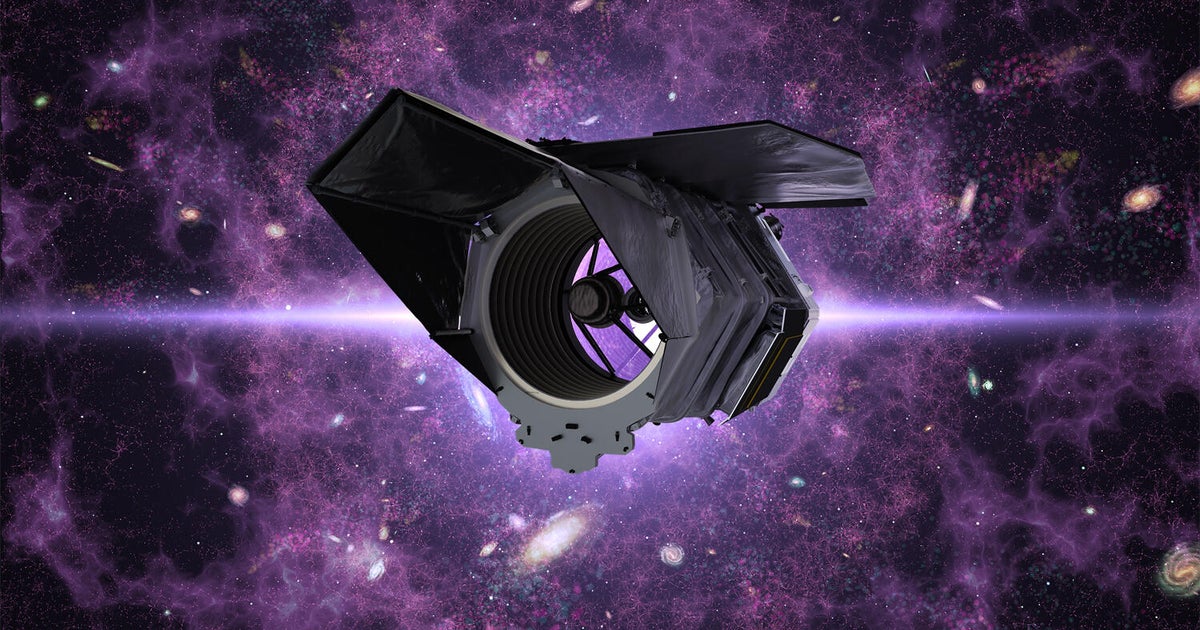
An artist's impression of NASA's $4.3 billion Nancy Grace Roman Space Telescope on station a million miles from Earth. Launch atop a SpaceX Falcon Heavy rocket is targeted for 7:26 a.m. EDT on Sunday. NASA
Photograph: CBS News (embedded from source)
What this story says
- NASA's Roman Space Telescope launched on a SpaceX Falcon Heavy rocket from Kennedy Space Center.
- The mission aims to study dark matter, dark energy, and exoplanets, collecting significantly more data than Hubble.
- The telescope uses a donated mirror originally built for a spy satellite.
- It is named after Nancy Grace Roman, NASA's first chief astronomer.
Who covered it
Percentages are shares of the 350 outlets carrying a published leaning rating. 305 of the 655 outlets we know ran this story carry no rating and are not counted in them. Coverage measured .
Trust
60/100
Craft
65/100
Hype
20/100
655 sources · methodology
NASA's Roman Space Telescope began its mission to study the universe on Sunday, launched from the Kennedy Space Center in Florida atop a SpaceX Falcon Heavy rocket. The observatory is named for Nancy Grace Roman, NASA's first chief astronomer, who championed space telescopes. Its mission is expected to collect vast amounts of data, significantly more than the Hubble Space Telescope has gathered over its operational lifetime.
The telescope is equipped with a wide-field camera and advanced detectors designed to scan broad swaths of the cosmos. Scientists anticipate it will shed new light on dark matter and dark energy, the mysterious components that shape the universe's structure and expansion. Roman will also search for exoplanets, potentially discovering thousands orbiting other stars.
A key component of the Roman Space Telescope is its primary mirror, which was originally built for a spy satellite and later donated to NASA. This mirror, along with the telescope's instruments, will enable it to capture ultra-sharp images and gather data at an unprecedented rate, potentially resolving current tensions in cosmological models.
Disagreements in reporting
Reports differ on the exact cost of the mission. CBS News states the mission is a $4.3 billion project, while Channel News Asia and Blue Water Healthy Living report it as a roughly $4 billion project. The launch date is also presented differently, with CBS News specifying Sunday, August 30, while Dnevni list Danas states August 30.
What the coverage left out
None of the centre or left-rated reports mention the specific time of the launch on Sunday, August 30, beyond stating the day.
Coverage settled. We checked this 260 times and stopped on 5 Sept 2026, 09:00. The figures above are what it finished at.
How other outlets pictured it
Which photograph to run is each newsroom’s own choice. The leaning beside a name is that outlet’s published rating, not a claim that the pictures divide along it. Every picture is shown from the outlet’s own server and links to the article it ran in.

NASA's Roman Space Telescope Launches on Mission to Study Universe
Dnevni list Danas — embedded from source
How each side covered it
Our own reading of the reporting listed below, written from the outlets’ articles rather than quoted from them. The reasoning is set out on our methodology page.
Left
98 rated outlets
- The left-rated report from Dnevni list Danas highlighted the telescope's potential to solve mysteries of the universe, including dark matter and dark energy. It quoted mission scientists, including Dr. Julie McEnery, discussing the telescope's ability to conduct the largest census of planets around other stars and to scan vast segments of the sky. The report also detailed the unusual origin of the telescope's mirror, donated by the National Reconnaissance Office, and noted Nancy Grace Roman's pioneering role as NASA's first female chief astronomer, overcoming gender-based obstacles.
Centre
191 rated outlets
- Centre-rated reports from outlets including CBS News, Reuters, and Popular Science focused on the launch itself and the telescope's primary scientific objectives. They frequently mentioned its mission to map billions of galaxies, probe dark matter and dark energy, and discover exoplanets. Several reports, such as CBS News, detailed the telescope's capabilities in comparison to Hubble, noting its speed and data collection capacity. The origin of the mirror from a spy satellite was also a recurring detail, as was the naming of the telescope after Nancy Grace Roman. Some reports, like CBS News, delved into the scientific implications for understanding the Hubble Tension and the standard model of cosmology.
Right
61 rated outlets
- Right-rated outlets reported NASA's launch of the Nancy Grace Roman Space Telescope. The digests stated the telescope will map the cosmos, investigate dark matter and dark energy, and search for exoplanets. Some reports mentioned it is a successor to the Hubble telescope.
- Several digests noted the telescope's mission will last five to ten years. One report stated the telescope is a thousand times faster than Hubble, while another said it has 100 times the vision.
- The digests did not mention the cost estimate for the telescope. One digest included a photograph of the Orion spacecraft, unrelated to the Roman telescope launch.
Questions about this coverage
- How did the left and right cover NASA's Roman Space Telescope Launches on Mission to Study Universe?
- Of the 350 outlets on this story carrying a published leaning rating, 28% are rated left, 55% are rated centre, 17% are rated right. Those percentages are shares of the rated outlets, not of every outlet that ran it, which was 655. The sections above set out what each side emphasised, in its own terms.
- Is NASA's Roman Space Telescope Launches on Mission to Study Universe left or right?
- Neither side dominates it. Of the 350 rated outlets on this story, 28% are rated left, 55% are rated centre, 17% are rated right, and no side holds the 70% this site would want before calling a field one-sided. A story is not left or right in any case; the outlets that carried it are what carry ratings.
- Is the coverage of NASA's Roman Space Telescope Launches on Mission to Study Universe biased?
- NASA's Roman Space Telescope Launches on Mission to Study Universe is one event reported by 655 outlets, and this page does not rate the story as biased or unbiased. What it publishes is the spread: which outlets ran it, where named rating organisations place each of them on the spectrum, and what each side chose to lead with. A leaning rating describes an outlet's record over time, not this article, and the two should not be run together.
- Which outlets covered NASA's Roman Space Telescope Launches on Mission to Study Universe?
- 655 that we know of, every one of them listed further up this page with a link to its own report and to what we hold on the publisher. Nothing here is a summary of somebody else's summary: the outlets are named so the original reporting can be read.
- What is the primary mission of the Roman Space Telescope?
- The Roman Space Telescope's primary mission is to study dark matter, dark energy, and exoplanets. It aims to collect vast amounts of data to help scientists understand the universe's structure, expansion, and the potential for life beyond our solar system.
- How does the Roman Space Telescope compare to the Hubble Space Telescope?
- The Roman Space Telescope is expected to collect significantly more data than the Hubble Space Telescope. While Hubble focuses on individual objects, Roman will scan broad swaths of the sky, enabling it to observe billions of stars and galaxies much faster.
- What is unique about the Roman Space Telescope's mirror?
- The telescope's primary mirror was originally built for a spy satellite and was later donated to NASA. This donated mirror, after modifications, allows Roman to capture ultra-sharp images and observe fainter objects than would have been possible with a newly manufactured mirror of the same size.
- Who is Nancy Grace Roman and why is the telescope named after her?
- Nancy Grace Roman was NASA's first chief astronomer and played a crucial role in the development of space telescopes, including Hubble. She is often referred to as 'the mother of Hubble' for her advocacy and leadership in space science.
Read it at the source
657 outlets, grouped by the leaning a published rating gives them. Every headline links to the original; an underlined outlet name opens our profile of that publisher.
Left
98- Roman Space Telescope launches to study space in wide-angle view (opens Boing Boing in a new tab)
Boing Boing — is Boing Boing biased? Our profile of this outlet
- NASA's Roman telescope is in space. But don't expect photos until 2027 (opens USA Today in a new tab)
- NASA launches Roman telescope to probe cosmos (opens The Week in a new tab)
- NASA's newest space telescope launches on a quest to explore the hidden universe (opens Schweizer Radio und Fernsehen (SRF) in a new tab)
- NASA's newest space telescope launches on a quest to explore the hidden universe (opens ipmnewsroom.org in a new tab)
ipmnewsroom.org — is ipmnewsroom.org biased? Our profile of this outlet
- NASA Is Launching an Alien Telescope to Monitor the Universe and Study Dark Energy. (opens SANA in a new tab)
- Nancy Roman, Mother of the Hubble Telescope. (opens aljazeera.net in a new tab)
aljazeera.net — is aljazeera.net biased? Our profile of this outlet
- In Search of New Planets (opens La Jornada in a new tab)
La Jornada — is La Jornada biased? Our profile of this outlet
Show 90 more
- NASA Has Pressed the Button to Unravel the Mysteries of the Universe: A Telescope that Will Unlock the Secret of the Universe's Expansion Has Been Launched Into Orbit. (opens Cumhuriyet in a new tab)
Cumhuriyet — is Cumhuriyet biased? Our profile of this outlet
- Nancy Grace Roman Space Telescope. The Most Powerful Eye to Explore Space and Dark Energy Mysteries (opens HuffPost It in a new tab)
HuffPost It — is HuffPost It biased? Our profile of this outlet
- NASA launches Roman Space Telescope to explore dark energy and distant worlds (opens Scientific American in a new tab)
Scientific American — is Scientific American biased? Our profile of this outlet
- "Are We Alone in the Universe?" - NASA Launches Telescope Into Space to Search for the Answer (opens Telegrafi in a new tab)
- Successful Launch for the Roman Space Telescope that Aims to Realize a New "Atlas De l'Univers" (opens Le Temps in a new tab)
- NASA launches Nancy Grace Roman Space Telescope to survey dark energy, dark matter (opens World Socialist Web Site in a new tab)
World Socialist Web Site — is World Socialist Web Site biased? Our profile of this outlet
- NASA's new telescope to test whether scientists have dark energy wrong (opens ABC Australia in a new tab)
ABC Australia — is ABC Australia biased? Our profile of this outlet
- NASA Launches First Telescope Named After Female Scientist (opens tempo.co in a new tab)
- NASA’s Roman telescope leaves Earth to chart the stars - The Boston Globe (opens Boston Globe in a new tab)
Boston Globe — is Boston Globe biased? Our profile of this outlet
- NASA launches powerful new telescope (opens Brisbane Times in a new tab)
Brisbane Times — is Brisbane Times biased? Our profile of this outlet
- NASA launches powerful new telescope (opens Sydney Morning Herald in a new tab)
Sydney Morning Herald — is Sydney Morning Herald biased? Our profile of this outlet
- NASA launches powerful new telescope (opens The Age in a new tab)
- NASA launches $4B Roman Space Telescope (opens CBC News in a new tab)
- Nasa launches huge new space telescope (opens Stuff in a new tab)
- NASA's Nancy Grace Roman Space Telescope is now on its way to study the 'dark universe' (opens Engadget in a new tab)
- NASA Launches New Roman Space Telescope to Study Dark Matter and Exoplanets (opens unn.ua in a new tab)
- NASA launches $4.3bn Roman Telescope to uncover universe’s hidden secrets (opens Al Jazeera in a new tab)
Al Jazeera — is Al Jazeera biased? Our profile of this outlet
- ABB and Nüvü exoplanet camera readout system for NASA flagship telescope launched into orbit (opens The Toronto Star in a new tab)
The Toronto Star — is The Toronto Star biased? Our profile of this outlet
- NASA's Roman Space Telescope, set to probe universe with JPL tech, launches on SpaceX rocket (opens Lodinews.com in a new tab)
Lodinews.com — is Lodinews.com biased? Our profile of this outlet
- NASA Launches Roman Telescope Seeking Answers (opens Newser in a new tab)
- The Nancy Grace Roman Space Telescope launches to study dark matter and dark energy (opens The Verge in a new tab)
- NASA launches new Roman Space Telescope from Florida (opens Sioux City Journal in a new tab)
Sioux City Journal — is Sioux City Journal biased? Our profile of this outlet
- NASA launches new Roman Space Telescope from Florida (opens Dothan Eagle in a new tab)
Dothan Eagle — is Dothan Eagle biased? Our profile of this outlet
- NASA launches new Roman Space Telescope from Florida (opens News & Record in a new tab)
News & Record — is News & Record biased? Our profile of this outlet
- NASA launches new Roman Space Telescope from Florida (opens St Louis Post-Dispatch in a new tab)
St Louis Post-Dispatch — is St Louis Post-Dispatch biased? Our profile of this outlet
- Who was Nancy Grace Roman? NASA names its newest telescope after a scientific pioneer (opens WCSH in a new tab)
- NASA Launches Powerful New Space Telescope (opens Joe.My.God. in a new tab)
Joe.My.God. — is Joe.My.God. biased? Our profile of this outlet
- NASA Launches New Telescope with 100 Times Wider Field of View than Hubble (opens RTV Slovenija in a new tab)
RTV Slovenija — is RTV Slovenija biased? Our profile of this outlet
- Successful Launch of the Nancy Grace Roman Space Telescope (opens Daily Kos in a new tab)
- NASA Launches the Nancy Grace Roman Telescope Into Space to Make a New "Atlas of the Universe" (opens La Opinion in a new tab)
La Opinion — is La Opinion biased? Our profile of this outletOpinion
- NASA's Roman Space Telescope, set to probe universe with JPL tech, launches on SpaceX rocket (opens Los Angeles Times in a new tab)
Los Angeles Times — is Los Angeles Times biased? Our profile of this outlet
- The Roman Telescope Was Launched on Sunday by NASA (opens Radio-Canada in a new tab)
Radio-Canada — is Radio-Canada biased? Our profile of this outlet
- NASA Sends New Large Telescope Into Space (opens DR in a new tab)
- Nasa launches Roman telescope to map the cosmos (opens rthk.hk in a new tab)
- NASA's New Telescope, "Nancy Grace Roman," Is in Space (opens in.gr in a new tab)
- NASA launches powerful new Roman Space Telescope from Florida (opens Ada Derana in a new tab)
Ada Derana — is Ada Derana biased? Our profile of this outlet
- NASA launches its next-generation space telescope (opens NBC Philadelphia in a new tab)
NBC Philadelphia — is NBC Philadelphia biased? Our profile of this outlet
- NASA launches its next-generation space telescope (opens NBC Miami in a new tab)
- NASA launches its next-generation space telescope (opens NBC Connecticut in a new tab)
NBC Connecticut — is NBC Connecticut biased? Our profile of this outlet
- NASA launches its next-generation space telescope (opens NBC Boston in a new tab)
NBC Boston — is NBC Boston biased? Our profile of this outlet
- ABB and Nüvü exoplanet camera readout system for NASA flagship telescope launched into orbit (opens Simcoe.com in a new tab)
Simcoe.com — is Simcoe.com biased? Our profile of this outlet
- ABB and Nüvü exoplanet camera readout system for NASA flagship telescope launched into orbit (opens Cambridge Times in a new tab)
Cambridge Times — is Cambridge Times biased? Our profile of this outlet
- ABB and Nüvü exoplanet camera readout system for NASA flagship telescope launched into orbit (opens St Catharines Standard in a new tab)
St Catharines Standard — is St Catharines Standard biased? Our profile of this outlet
- ABB and Nüvü exoplanet camera readout system for NASA flagship telescope launched into orbit (opens The Record in a new tab)
The Record — is The Record biased? Our profile of this outlet
- ABB and Nüvü exoplanet camera readout system for NASA flagship telescope launched into orbit (opens Mississauga News in a new tab)
Mississauga News — is Mississauga News biased? Our profile of this outlet
- ABB and Nüvü exoplanet camera readout system for NASA flagship telescope launched into orbit (opens The Hamilton Spectator in a new tab)
The Hamilton Spectator — is The Hamilton Spectator biased? Our profile of this outlet
- Nancy Grace Roman Successfully Launched: Space Telescope to Unravel Greatest Mysteries of the Universe (opens De Morgen in a new tab)
- NASA launches its next-generation space telescope (opens NBC News in a new tab)
- NASA launches powerful new Roman Space Telescope (opens CGTN in a new tab)
- New Space Telescope «Nancy Grace Roman» Has Been Launched (opens watson in a new tab)
- Astronomy: New Space Telescope «Nancy Grace Roman» Has Been Launched (opens Zeit Online in a new tab)
Zeit Online — is Zeit Online biased? Our profile of this outlet
- Dismisses Roman, NASA's Telescope with a Field of Vision 100 Times Greater than Hubble (opens La Vanguardia in a new tab)
La Vanguardia — is La Vanguardia biased? Our profile of this outlet
- NASA Launches Nancy Grace Roman Space Telescope to Study Dark Energy, Dark Matter (opens Xinhua in a new tab)
- »Nancy Grace Roman«: New Nasa Space Telescope Launches Space (opens Spiegel in a new tab)
- NASA’s newest space telescope launches on a quest to explore the hidden universe (opens Durango Herald in a new tab)
Durango Herald — is Durango Herald biased? Our profile of this outlet
- NASA launches its next-generation space telescope (opens NBC Dallas-Fort Worth in a new tab)
NBC Dallas-Fort Worth — is NBC Dallas-Fort Worth biased? Our profile of this outlet
- New NASA Telescope Cameras Designed in Montreal (opens TVA Nouvelles in a new tab)
TVA Nouvelles — is TVA Nouvelles biased? Our profile of this outlet
- NASA's newest space telescope launches on a quest to explore the hidden universe (opens Courthouse News Service in a new tab)
Courthouse News Service — is Courthouse News Service biased? Our profile of this outlet
- NASA's newest space telescope launches on a quest to explore the hidden universe (opens CNBC in a new tab)
- NASA's newest space telescope launches on a quest to explore the hidden universe (opens Rocky Mountain Outlook in a new tab)
Rocky Mountain Outlook — is Rocky Mountain Outlook biased? Our profile of this outlet
- Roman Telescope Launched, a Sharper Eye to Better Understand the Universe (opens La Stampa in a new tab)
- Nasa Successfully Launches New Telescope that Will Investigate Dark Matter (opens UOL in a new tab)
- 'Eye 100 Times Bigger Than Hubble' Roman Space Telescope Sets Sail (opens 한겨레 in a new tab)
한겨레
- Roman Space Telescope launches successfully. What happens next. (opens Mashable in a new tab)
- NASA’s newest space telescope launches on a quest to explore the hidden universe (opens The Seattle Times in a new tab)
The Seattle Times — is The Seattle Times biased? Our profile of this outlet
- NASA's newest space telescope launches on a quest to explore the hidden universe (opens The Independent (US) in a new tab)
The Independent (US) — is The Independent (US) biased? Our profile of this outlet
- NASA's newest space telescope launches on a quest to explore the hidden universe (opens Associated Press News in a new tab)
Associated Press News — is Associated Press News biased? Our profile of this outlet
- NASA's newest space telescope launches on a quest to explore the hidden universe (opens The Independent in a new tab)
The Independent — is The Independent biased? Our profile of this outlet
- NASA's newest space telescope launches on a quest to explore the hidden universe (opens Bangor Daily News in a new tab)
Bangor Daily News — is Bangor Daily News biased? Our profile of this outlet
- NASA's newest space telescope launches on a quest to explore the hidden universe (opens ABC News in a new tab)
- Successfully Launched the ‘Nancy Grace Roman’ Telescope, Which Will Observe a Hundred Times More Sky than the ‘Hubble’ (opens El Pais in a new tab)
- NASA launches a new space telescope named for astronomer Nancy Grace Roman to explore the hidden universe (opens The Times-Tribune in a new tab)
The Times-Tribune — is The Times-Tribune biased? Our profile of this outlet
- NASA launches a new space telescope named for astronomer Nancy Grace Roman to explore the hidden universe (opens The Daily Star in a new tab)
The Daily Star — is The Daily Star biased? Our profile of this outlet
- NASA launches a new space telescope named for astronomer Nancy Grace Roman to explore the hidden universe (opens Richmond Register in a new tab)
Richmond Register — is Richmond Register biased? Our profile of this outlet
- NASA launches a new space telescope named for astronomer Nancy Grace Roman to explore the hidden universe (opens McAlester News-Capital in a new tab)
McAlester News-Capital — is McAlester News-Capital biased? Our profile of this outlet
- NASA launches a new space telescope named for astronomer Nancy Grace Roman to explore the hidden universe (opens New Castle News in a new tab)
New Castle News — is New Castle News biased? Our profile of this outlet
- NASA launches a new space telescope named for astronomer Nancy Grace Roman to explore the hidden universe (opens Mankato Free Press in a new tab)
Mankato Free Press — is Mankato Free Press biased? Our profile of this outlet
- NASA launches a new space telescope named for astronomer Nancy Grace Roman to explore the hidden universe (opens Kokomo Tribune in a new tab)
Kokomo Tribune — is Kokomo Tribune biased? Our profile of this outlet
- Nasa Sends Huge Telescope Into Space – German Technology Makes Exoplanets Visible (opens t-online in a new tab)
- NASA launches its next-generation space telescope (opens NBC Bay Area in a new tab)
NBC Bay Area — is NBC Bay Area biased? Our profile of this outlet
- NASA launches its next-generation space telescope (opens NBC LA in a new tab)
- NASA Launches the Roman Telescope on Sunday, Sent to Space with an Unprecedented Mission - HotNews.ro (opens Hot News in a new tab)
- Roman, NASA's new space telescope, sets out to search for dark energy and exoplanets (opens Le Monde in a new tab)
- NASA Launches a Telescope to Create a New "Atlas De l'Univers" (opens La Presse in a new tab)
- NASA has successfully launched its newest space telescope (opens Georgia Public Broadcasting in a new tab)
Georgia Public Broadcasting — is Georgia Public Broadcasting biased? Our profile of this outlet
- 'A glorious dawn launch': NASA's newest space telescope has left the Earth (opens NPR in a new tab)
- NASA Is Sending a New Telescope Into Space to Search for Answers to the Universe's Greatest Mysteries (opens delo.si in a new tab)
- Launch of the Roman Space Telescope (opens franceinfo.fr in a new tab)
franceinfo.fr — is franceinfo.fr biased? Our profile of this outlet
- Designed as a Spy Telescope, Now with Foldable Mirrors You Can Take Images in Space of Unprecedented Size (opens telex.hu in a new tab)
- Nasin Novi Moćni Telescope Mogao Bi Da Reši Misterije Univerzuma (opens Dnevni list Danas in a new tab)
Dnevni list Danas — is Dnevni list Danas biased? Our profile of this outlet
Centre
193- Roman Space Telescope lifts off (opens Astronomy.com in a new tab)
Astronomy.com — is Astronomy.com biased? Our profile of this outlet
- NASA Launches New Telescope to Search for Secrets of Life and Dark Matter (opens Lietuvos Radijas ir Televizija in a new tab)
- NASA's newest space telescope launches on a quest to explore the hidden universe (opens ExtremeTech in a new tab)
ExtremeTech — is ExtremeTech biased? Our profile of this outlet
- NASA's New Nancy Grace Roman Telescope Is Now in Orbit After Its Successful Launch (opens ElNacional.cat in a new tab)
ElNacional.cat — is ElNacional.cat biased? Our profile of this outlet
- NASA's next "great observatory" begins mission to widen our view of the Universe (opens Ars Technica in a new tab)
Ars Technica — is Ars Technica biased? Our profile of this outlet
- NASA’s new telescope can see 100 times more sky than Hubble in a single shot (opens Digital Trends in a new tab)
Digital Trends — is Digital Trends biased? Our profile of this outlet
- NASA launches Nancy Grace Roman telescope to solve universe’s biggest mysteries (opens Interesting Engineering in a new tab)
Interesting Engineering — is Interesting Engineering biased? Our profile of this outlet
- NASA launches $4BN Roman telescope (opens dailymail.com in a new tab)
dailymail.com — is dailymail.com biased? Our profile of this outlet
Show 185 more
- NASA turns old spy tech into a new window on the universe (opens Straight Arrow News in a new tab)
Straight Arrow News — is Straight Arrow News biased? Our profile of this outlet
- NASA launches Roman telescope to build biggest map of the universe yet (opens Euronews in a new tab)
- Nancy Grace Roman Space Telescope Survives Attempted Budget Cuts to Launch 9 Months Early (opens Good News Network in a new tab)
Good News Network — is Good News Network biased? Our profile of this outlet
- NASA’s Flagship Telescope Began Its Million-Mile Journey Through Space, Here’s What Comes Next (opens autoevolution in a new tab)
autoevolution — is autoevolution biased? Our profile of this outlet
- Winter Park girl shares name and birthday with NASA telescope (opens Spectrum News 13 in a new tab)
Spectrum News 13 — is Spectrum News 13 biased? Our profile of this outlet
- NASA’s Roman telescope leaves Earth to chart the stars (opens Hawaii Tribune-Herald in a new tab)
Hawaii Tribune-Herald — is Hawaii Tribune-Herald biased? Our profile of this outlet
- NASA launches Roman Space telescope on mission to probe deep space and distant galaxies (opens Hilo, HI in a new tab)
- NASA launches powerful Roman Space Telescope, a spy satellite turned to the stars (opens Jerusalem Post in a new tab)
Jerusalem Post — is Jerusalem Post biased? Our profile of this outlet
- NASA’s Roman Telescope Begins a Million-Mile Journey Into Deep Space (opens Sci Tech Daily in a new tab)
Sci Tech Daily — is Sci Tech Daily biased? Our profile of this outlet
- NASA’s Roman Space Telescope launches to reveal the Universe’s darkest secrets (opens Science Daily in a new tab)
Science Daily — is Science Daily biased? Our profile of this outlet
- Newest space telescope launches (opens Bedford Gazette in a new tab)
Bedford Gazette — is Bedford Gazette biased? Our profile of this outlet
- NASA Launches Nancy Grace Roman Space Telescope to Uncover Dark Matter and Thousands of New Worlds (opens Khaama Press in a new tab)
Khaama Press — is Khaama Press biased? Our profile of this outlet
- NASA Launches a Telescope for $4.3 Billion: the Instrument Will Search for Answers About Dark Energy (opens ZN.UA Зеркало недели in a new tab)
ZN.UA Зеркало недели — is ZN.UA Зеркало недели biased? Our profile of this outlet
- NASA’s newest space telescope launched (opens Jamaica Gleaner in a new tab)
Jamaica Gleaner — is Jamaica Gleaner biased? Our profile of this outlet
- NASA’s new Roman Space Telescope launches (opens Arkansas Democrat-Gazette in a new tab)
Arkansas Democrat-Gazette — is Arkansas Democrat-Gazette biased? Our profile of this outlet
- Trump hails NASA's space telescope launch (opens The Hill in a new tab)
- NASA's Nancy Grace Roman Space Telescope sets out to map the cosmos and find dark secrets (opens WGN 9 in a new tab)
- NASA's Newest Space Telescope Launches on a Quest to Explore the Hidden Universe (opens Military.com in a new tab)
Military.com — is Military.com biased? Our profile of this outlet
- Nancy Grace Roman Telescope: Revolutionizing Dark Energy and Exoplanet Discovery by 2027 (opens WebProNews in a new tab)
WebProNews — is WebProNews biased? Our profile of this outlet
- NASA’s Nancy Grace Roman Space Telescope launches to study universe’s biggest mysteries (opens WWAY TV in a new tab)
- NASA’s Roman Space Telescope Launches on Mission to Probe Hidden Universe (opens sci.news in a new tab)
- NASA successfully launches Nancy Grace Roman Space Telescope from Kennedy Space Center (opens WESH in a new tab)
- NASA launches powerful new telescope (opens WA today in a new tab)
- When will we see the first images from NASA’s Roman Space Telescope? (opens KYTX in a new tab)
- When will we see the first images from NASA’s Roman Space Telescope? (opens Fort Smith/Fayetteville News in a new tab)
Fort Smith/Fayetteville News — is Fort Smith/Fayetteville News biased? Our profile of this outlet
- When will we see the first images from NASA’s Roman Space Telescope? (opens WBIR in a new tab)
- When will we see the first images from NASA’s Roman Space Telescope? (opens Krem2 News in a new tab)
Krem2 News — is Krem2 News biased? Our profile of this outlet
- When will we see the first images from NASA’s Roman Space Telescope? (opens WKYC in a new tab)
- When will we see the first images from NASA’s Roman Space Telescope? (opens 9NEWS Denver in a new tab)
9NEWS Denver — is 9NEWS Denver biased? Our profile of this outlet
- The story behind NASA's Nancy Grace Roman Space Telescope (opens Newsweek in a new tab)
- Roman Space Telescope Launches Successfully on Falcon Heavy (opens hngn.com in a new tab)
- SpaceX launches NASA’s newest crown-jewel telescope, which will look for 'the weird, the rare and the unusual' — including dark matter and energy (opens Fortune in a new tab)
- Roman Rises! Five Things to Know About NASA's New Space Telescope (opens Universe Today in a new tab)
Universe Today — is Universe Today biased? Our profile of this outlet
- 'What a glorious dawn launch': Why the Roman Space Telescope's picture-perfect liftoff beyond Earth is such a big deal (opens Space in a new tab)
- Nancy Grace Roman Space Telescope launches with goal to chart unseen views of the universe – WTOP News (opens Washington Top News in a new tab)
Washington Top News — is Washington Top News biased? Our profile of this outlet
- NASA's New 300-Megapixel Nancy Grace Roman Space Telescope Launches Into Space (opens PetaPixel in a new tab)
- NASA's Roman telescope sets off on cosmic mapping mission (opens RTÉ in a new tab)
- The Nasa Launches the Roman Telescope (Great as a Bus), Will Be Focused on the Secrets of the Universe (opens Il Messaggero in a new tab)
Il Messaggero — is Il Messaggero biased? Our profile of this outlet
- NASA's Roman Space Telescope, set to probe universe with JPL tech, launches on SpaceX rocket (opens Yakima Herald-Republic in a new tab)
Yakima Herald-Republic — is Yakima Herald-Republic biased? Our profile of this outlet
- NASA's Roman Space Telescope, set to probe universe with JPL tech, launches on SpaceX rocket (opens Hanford Sentinel in a new tab)
Hanford Sentinel — is Hanford Sentinel biased? Our profile of this outlet
- NASA launches first telescope named after female scientist (opens Deutsche Welle in a new tab)
Deutsche Welle — is Deutsche Welle biased? Our profile of this outlet
- Successful launch for NASA's next generation telescope (opens KYMA in a new tab)
- NASA launches new Roman Space Telescope from Florida (opens Mooresville Tribune in a new tab)
Mooresville Tribune — is Mooresville Tribune biased? Our profile of this outlet
- NASA launches new Roman Space Telescope from Florida (opens Lake Geneva News in a new tab)
Lake Geneva News — is Lake Geneva News biased? Our profile of this outlet
- NASA launches new Roman Space Telescope from Florida (opens Waterloo Cedar Falls Courier in a new tab)
Waterloo Cedar Falls Courier — is Waterloo Cedar Falls Courier biased? Our profile of this outlet
- NASA launches new Roman Space Telescope from Florida (opens Beatrice Daily Sun in a new tab)
Beatrice Daily Sun — is Beatrice Daily Sun biased? Our profile of this outlet
- NASA launches new Roman Space Telescope from Florida (opens Columbus Telegram in a new tab)
Columbus Telegram — is Columbus Telegram biased? Our profile of this outlet
- NASA launches new Roman Space Telescope from Florida (opens The Daily Nonpareil in a new tab)
The Daily Nonpareil — is The Daily Nonpareil biased? Our profile of this outlet
- NASA launches new Roman Space Telescope from Florida (opens The Valley News Today in a new tab)
The Valley News Today — is The Valley News Today biased? Our profile of this outlet
- NASA launches new Roman Space Telescope from Florida (opens The Billings Gazette in a new tab)
The Billings Gazette — is The Billings Gazette biased? Our profile of this outlet
- NASA launches new Roman Space Telescope from Florida (opens Channel 3000 in a new tab)
Channel 3000 — is Channel 3000 biased? Our profile of this outlet
- NASA launches new Roman Space Telescope from Florida (opens Tulsa World in a new tab)
Tulsa World — is Tulsa World biased? Our profile of this outlet
- NASA launches new Roman Space Telescope from Florida (opens Lincoln Journal Star in a new tab)
Lincoln Journal Star — is Lincoln Journal Star biased? Our profile of this outlet
- NASA launches new Roman Space Telescope from Florida (opens Montana Standard in a new tab)
Montana Standard — is Montana Standard biased? Our profile of this outlet
- NASA launches new Roman Space Telescope from Florida (opens Hickory Daily Record in a new tab)
Hickory Daily Record — is Hickory Daily Record biased? Our profile of this outlet
- NASA launches new Roman Space Telescope from Florida (opens North Platte Nebraska's Newspaper in a new tab)
- NASA launches new Roman Space Telescope from Florida (opens Muscatine Journal in a new tab)
Muscatine Journal — is Muscatine Journal biased? Our profile of this outlet
- NASA launches new Roman Space Telescope from Florida (opens Bulletin-Review in a new tab)
Bulletin-Review — is Bulletin-Review biased? Our profile of this outlet
- NASA launches new Roman Space Telescope from Florida (opens Martinsville Bulletin in a new tab)
Martinsville Bulletin — is Martinsville Bulletin biased? Our profile of this outlet
- NASA launches new Roman Space Telescope from Florida (opens Journal Gazette & Times-Courier in a new tab)
- NASA launches new Roman Space Telescope from Florida (opens Helena Independent Record in a new tab)
Helena Independent Record — is Helena Independent Record biased? Our profile of this outlet
- NASA launches new Roman Space Telescope from Florida (opens La Crosse Tribune in a new tab)
La Crosse Tribune — is La Crosse Tribune biased? Our profile of this outlet
- NASA launches new Roman Space Telescope from Florida (opens The Times of Northwest Indiana in a new tab)
- NASA launches new Roman Space Telescope from Florida (opens Bristol Herald Courier in a new tab)
Bristol Herald Courier — is Bristol Herald Courier biased? Our profile of this outlet
- NASA launches new Roman Space Telescope from Florida (opens The Daily Progress in a new tab)
The Daily Progress — is The Daily Progress biased? Our profile of this outlet
- NASA launches new Roman Space Telescope from Florida (opens Danville Register & Bee in a new tab)
Danville Register & Bee — is Danville Register & Bee biased? Our profile of this outlet
- NASA launches new Roman Space Telescope from Florida (opens Missoulian in a new tab)
Missoulian — is Missoulian biased? Our profile of this outlet
- NASA launches new Roman Space Telescope from Florida (opens Mason City Globe Gazette in a new tab)
Mason City Globe Gazette — is Mason City Globe Gazette biased? Our profile of this outlet
- NASA launches new Roman Space Telescope from Florida (opens The Press of Atlantic City in a new tab)
The Press of Atlantic City — is The Press of Atlantic City biased? Our profile of this outlet
- NASA launches new Roman Space Telescope from Florida (opens Roanoke Times in a new tab)
Roanoke Times — is Roanoke Times biased? Our profile of this outlet
- NASA's newest space telescope launches on a quest to explore the hidden universe (opens NewsNation in a new tab)
NewsNation — is NewsNation biased? Our profile of this outlet
- Who was Nancy Grace Roman? NASA names its newest telescope after a scientific pioneer (opens KTVB in a new tab)
- Who was Nancy Grace Roman? NASA names its newest telescope after a scientific pioneer (opens Krem2 News in a new tab)
Krem2 News
- Who was Nancy Grace Roman? NASA names its newest telescope after a scientific pioneer (opens WFAA 8abc in a new tab)
- Who was Nancy Grace Roman? NASA names its newest telescope after a scientific pioneer (opens 9NEWS Denver in a new tab)
9NEWS Denver
- Nasa launches Nancy Grace Roman telescope to explore Universe's mysteries (opens BBC News in a new tab)
- NASA’s $4.3B Ultra-Powerful Telescope Faces Tense Launch (opens Internewscast in a new tab)
Internewscast — is Internewscast biased? Our profile of this outlet
- NASA launches Nancy Grace Roman Space Telescope to explore mysteries of the universe (opens The Globe & Mail in a new tab)
The Globe & Mail — is The Globe & Mail biased? Our profile of this outlet
- NASA’s Roman Space Telescope lifts off on Falcon Heavy to explore cosmic mysteries (opens Florida Today in a new tab)
Florida Today — is Florida Today biased? Our profile of this outlet
- NASA launches powerful new Roman Space Telescope from Florida (opens The Express Tribune in a new tab)
The Express Tribune — is The Express Tribune biased? Our profile of this outlet
- NASA launches Roman Space Telescope, 'Hubble's wide-eyed cousin,' to map the universe (opens WLTX in a new tab)
- NASA’s Roman Space Telescope launched today, nine months ahead of its official deadline after surviving three cancellation proposals and a fourth major funding threat — the observatory that nearly didn’t exist is now bound for an orbit 1 million miles from Earth. (opens Space Daily in a new tab)
Space Daily — is Space Daily biased? Our profile of this outlet
- NASA Launched a "Discovery Machine" to Unravel the Invisible Universe (opens kioncentralcoast.com in a new tab)
kioncentralcoast.com — is kioncentralcoast.com biased? Our profile of this outlet
- NASA Launched a "Discovery Machine" to Unravel the Invisible Universe (opens KEYT in a new tab)
- NASA Launched a "Discovery Machine" to Unravel the Invisible Universe (opens KVIA in a new tab)
- NASA Launched a "Discovery Machine" to Unravel the Invisible Universe (opens KESQ in a new tab)
- NASA Launched a "Discovery Machine" to Unravel the Invisible Universe (opens Local 3 News in a new tab)
Local 3 News — is Local 3 News biased? Our profile of this outlet
- NASA Launched a "Discovery Machine" to Unravel the Invisible Universe (opens KMIZ in a new tab)
- L3Harris Celebrates Successful Launch of NASA’s Nancy Grace Roman Space Telescope (opens The AI Journal in a new tab)
The AI Journal — is The AI Journal biased? Our profile of this outlet
- Telescope "Roman", Launched in NASA Space: Researchers Want to Find Out What Is Hiding Behind Dark Energy and Matter (opens Digi 24 in a new tab)
- NASA's newest space telescope launches on a quest to explore the hidden universe (opens Castanet in a new tab)
- NASA’s newest telescope to explore hidden universe (opens The Columbian in a new tab)
The Columbian — is The Columbian biased? Our profile of this outlet
- NASA’s Dark Universe-Seeking Nancy Grace Roman Space Telescope Launches (opens NASA (Source) in a new tab)
NASA (Source) — is NASA (Source) biased? Our profile of this outlet
- NASA's newest space telescope launches to explore hidden universe (opens Boston.com in a new tab)
Boston.com — is Boston.com biased? Our profile of this outlet
- NASA Launches Larger Panoramic Observatory to Explore SpaceX's Rocket-Board Universe (opens Jornal Expresso in a new tab)
Jornal Expresso — is Jornal Expresso biased? Our profile of this outlet
- A new eye on the universe launches from Kennedy Space Center (opens Hometown News Brevard in a new tab)
Hometown News Brevard — is Hometown News Brevard biased? Our profile of this outlet
- NASA launches bus-size telescope to see things 'never been able to do before' (opens Manchester Evening News in a new tab)
Manchester Evening News — is Manchester Evening News biased? Our profile of this outlet
- The Roman Telescope Promises a New Era of Cosmic Exploration (opens El Diario in a new tab)
- NASA launches Nancy Grace Roman Space Telescope via SpaceX Falcon Heavy rocket (opens UPI in a new tab)
- Dismisses Roman, NASA's Telescope with a Field of Vision 100 Times Greater than Hubble (opens Hola News in a new tab)
- Nancy Grace Roman Space Telescope with largest view of space ever successfully launches (opens MOR-TV in a new tab)
- Nancy Grace Roman Space Telescope with largest view of space ever successfully launches (opens KHBS in a new tab)
- Nancy Grace Roman Space Telescope with largest view of space ever successfully launches (opens KSBW in a new tab)
- Nancy Grace Roman Space Telescope with largest view of space ever successfully launches (opens WXII in a new tab)
- Nancy Grace Roman Space Telescope with largest view of space ever successfully launches (opens WGAL in a new tab)
- Nancy Grace Roman Space Telescope with largest view of space ever successfully launches (opens WPBF in a new tab)
- Nancy Grace Roman Space Telescope with largest view of space ever successfully launches (opens WAPT in a new tab)
- Nancy Grace Roman Space Telescope with largest view of space ever successfully launches (opens KOAT in a new tab)
- Nancy Grace Roman Space Telescope with largest view of space ever successfully launches (opens WVTM in a new tab)
- Nancy Grace Roman Space Telescope with largest view of space ever successfully launches (opens WPTZ in a new tab)
- Nancy Grace Roman Space Telescope with largest view of space ever successfully launches (opens KMBC in a new tab)
- Nancy Grace Roman Space Telescope with largest view of space ever successfully launches (opens KETV in a new tab)
- Nancy Grace Roman Space Telescope with largest view of space ever successfully launches (opens WISN in a new tab)
- Nancy Grace Roman Space Telescope with largest view of space ever successfully launches (opens KCCI in a new tab)
- Nancy Grace Roman Space Telescope with largest view of space ever successfully launches (opens WDSU in a new tab)
- Nancy Grace Roman Space Telescope with largest view of space ever successfully launches (opens WLKY in a new tab)
- Nancy Grace Roman Space Telescope with largest view of space ever successfully launches (opens WCVB in a new tab)
- Nancy Grace Roman Space Telescope with largest view of space ever successfully launches (opens KCRA 3 in a new tab)
- Nancy Grace Roman Space Telescope with largest view of space ever successfully launches (opens WMTW in a new tab)
- Nancy Grace Roman Space Telescope with largest view of space ever successfully launches (opens WBAL-TV in a new tab)
- Nancy Grace Roman Space Telescope with largest view of space ever successfully launches (opens WTAE in a new tab)
- Nancy Grace Roman Space Telescope with largest view of space ever successfully launches (opens WYFF in a new tab)
- Nancy Grace Roman Space Telescope with largest view of space ever successfully launches (opens Koco News5 in a new tab)
Koco News5 — is Koco News5 biased? Our profile of this outlet
- Nancy Grace Roman Space Telescope with largest view of space ever successfully launches (opens WMUR in a new tab)
- Nancy Grace Roman Space Telescope with largest view of space ever successfully launches (opens WLWT in a new tab)
- NASA launches its next-generation space telescope (opens NBC Chicago in a new tab)
NBC Chicago — is NBC Chicago biased? Our profile of this outlet
- NASA’s newest space telescope launches on a quest to explore the hidden universe (opens meadowlakeNOW in a new tab)
meadowlakeNOW — is meadowlakeNOW biased? Our profile of this outlet
- Launch of Roman, the Telescope of the Nasa that Will Realize a New "Atlas of the Universe" and Allow "to Pierce the Secrets" (opens Sud Ouest in a new tab)
- NASA’s newest space telescope launches on a quest to explore the hidden universe (opens Ckpg Today in a new tab)
Ckpg Today — is Ckpg Today biased? Our profile of this outlet
- In Photos: NASA’s New Roman Space Telescope Lifts Off To Map Billions Of Galaxies (opens Forbes in a new tab)
- NASA launches powerful new Roman Space Telescope from Florida (opens Reuters in a new tab)
- NASA’s newest space telescope launches on a quest to explore the hidden universe (opens Battlefords NOW in a new tab)
Battlefords NOW — is Battlefords NOW biased? Our profile of this outlet
- Powerful space telescope blasts off to scan the cosmos (opens PerthNow in a new tab)
- NASA’s Nancy Grace Roman space telescope launches (opens Popular Science in a new tab)
Popular Science — is Popular Science biased? Our profile of this outlet
- NASA launches ‘discovery machine’ to unravel the invisible universe (opens KRDO in a new tab)
- Roman Space Telescope, NASA's next "great observatory," launches into space (opens CBS News in a new tab)
- NASA’s newest space telescope launches on a quest to explore the hidden universe (opens CFJC Today Kamloops in a new tab)
CFJC Today Kamloops — is CFJC Today Kamloops biased? Our profile of this outlet
- NASA launches powerful new Roman Space Telescope from Florida (opens WTVB in a new tab)
- NASA launches powerful new Roman Space Telescope from Florida (opens Channel News Asia in a new tab)
Channel News Asia — is Channel News Asia biased? Our profile of this outlet
- Roman Telescope Begins Quest to Reveal Evolving Universe (opens Eos in a new tab)
- NASA's newest space telescope launches on a quest to explore the hidden universe (opens WKMG in a new tab)
- NASA launches powerful new Roman Space Telescope from Florida (opens Market Screener in a new tab)
Market Screener — is Market Screener biased? Our profile of this outlet
- New Space Telescope "Nancy Grace Roman" Launched (opens wz.de in a new tab)
- Astronomy: New Space Telescope "Nancy Grace Roman" Launched (opens volksfreund.de in a new tab)
volksfreund.de — is volksfreund.de biased? Our profile of this outlet
- Astronomy: New Space Telescope "Nancy Grace Roman" Launched (opens saarbruecker-zeitung.de in a new tab)
saarbruecker-zeitung.de — is saarbruecker-zeitung.de biased? Our profile of this outlet
- NASA launches a new space telescope named for astronomer Nancy Grace R (opens WBAL in a new tab)
- NASA launches a new space telescope named for astronomer Nancy Grace Roman to explore the hidden universe (opens Your Hometown Stations in a new tab)
Your Hometown Stations — is Your Hometown Stations biased? Our profile of this outlet
- NASA launches a new space telescope named for astronomer Nancy Grace Roman to explore the hidden universe (opens Daily News-Record in a new tab)
Daily News-Record — is Daily News-Record biased? Our profile of this outlet
- NASA launches a new space telescope named for astronomer Nancy Grace Roman to explore the hidden universe (opens Henry Herald in a new tab)
Henry Herald — is Henry Herald biased? Our profile of this outlet
- NASA launches a new space telescope named for astronomer Nancy Grace Roman to explore the hidden universe (opens KULR-TV in a new tab)
- NASA launches a new space telescope named for astronomer Nancy Grace Roman to explore the hidden universe (opens WV News in a new tab)
- NASA launches a new space telescope named for astronomer Nancy Grace Roman to explore the hidden universe (opens Ottumwa Courier in a new tab)
Ottumwa Courier — is Ottumwa Courier biased? Our profile of this outlet
- NASA launches a new space telescope named for astronomer Nancy Grace Roman to explore the hidden universe (opens Bozeman Daily Chronicle in a new tab)
Bozeman Daily Chronicle — is Bozeman Daily Chronicle biased? Our profile of this outlet
- NASA launches a new space telescope named for astronomer Nancy Grace Roman to explore the hidden universe (opens The Daily Advance in a new tab)
The Daily Advance — is The Daily Advance biased? Our profile of this outlet
- NASA launches a new space telescope named for astronomer Nancy Grace Roman to explore the hidden universe (opens union-bulletin.com in a new tab)
union-bulletin.com — is union-bulletin.com biased? Our profile of this outlet
- NASA launches a new space telescope named for astronomer Nancy Grace Roman to explore the hidden universe (opens The Lawton Constitution in a new tab)
The Lawton Constitution — is The Lawton Constitution biased? Our profile of this outlet
- NASA launches a new space telescope named for astronomer Nancy Grace Roman to explore the hidden universe (opens The Grand Junction Daily Sentinel in a new tab)
- NASA launches a new space telescope named for astronomer Nancy Grace Roman to explore the hidden universe (opens Mid Florida Newspapers in a new tab)
Mid Florida Newspapers — is Mid Florida Newspapers biased? Our profile of this outlet
- NASA launches a new space telescope named for astronomer Nancy Grace Roman to explore the hidden universe (opens Idaho State Journal in a new tab)
Idaho State Journal — is Idaho State Journal biased? Our profile of this outlet
- NASA launches a new space telescope named for astronomer Nancy Grace Roman to explore the hidden universe (opens Star Beacon in a new tab)
Star Beacon — is Star Beacon biased? Our profile of this outlet
- NASA launches a new space telescope named for astronomer Nancy Grace Roman to explore the hidden universe (opens Hometown News LP in a new tab)
Hometown News LP — is Hometown News LP biased? Our profile of this outlet
- NASA's Nancy Grace Roman Space Telescope Launches to Find Exoplanets and Unravel Mysteries of Dark Matter and Dark Energy (opens Smithsonian Mag in a new tab)
Smithsonian Mag — is Smithsonian Mag biased? Our profile of this outlet
- NASA launches astronomical wide-angle lens into space – what will the Nancy Grace Roman Telescope capture, and how does it differ from James Webb and Hubble? (opens digitalcameraworld in a new tab)
digitalcameraworld — is digitalcameraworld biased? Our profile of this outlet
- The Nancy Grace Roman Space Telescope Will Now Travel Almost One Million Miles to Reveal Mysteries of the Universe (opens Discover Magazine in a new tab)
Discover Magazine — is Discover Magazine biased? Our profile of this outlet
- NASA's Roman telescope set to launch on cosmic mapping mission (opens Phys.org in a new tab)
- NASA's Nancy Grace Roman telescope launches: What will it do? (opens FOX13news in a new tab)
- NASA's Nancy Grace Roman telescope launches: What will it do? (opens Fox 11 LA in a new tab)
- NASA's Nancy Grace Roman telescope launches: What will it do? (opens Fox 6 now in a new tab)
- NASA's Nancy Grace Roman telescope launches: What will it do? (opens WOFL in a new tab)
- NASA's Nancy Grace Roman telescope launches: What will it do? (opens LiveNOW from FOX in a new tab)
LiveNOW from FOX — is LiveNOW from FOX biased? Our profile of this outlet
- NASA launched a space telescope on Sunday that will give astronomers a much wider view of the universe (opens Tech Spot in a new tab)
- NASA Sends "Nancy Grace Roman" Space Telescope Into Space (opens Tagesschau in a new tab)
Tagesschau — is Tagesschau biased? Our profile of this outlet
- A Thousand Times Faster than Hubble: the New NASA Telescope Is Preparing for an Unprecedented Map of the Universe. (opens cedarnews.net in a new tab)
cedarnews.net — is cedarnews.net biased? Our profile of this outlet
- NASA has successfully launched its newest space telescope (opens KPBS in a new tab)
- NASA Is Sending a Telescope Into Space with a Field of View 100 Times Wider than Hubble (opens 24ur.com in a new tab)
- NASA launches ‘discovery machine’ to unravel the invisible universe (opens KIFI in a new tab)
- Nearly 4 Billion Celestial Objects in the Largest 2D Map of the Universe - Space and Astronomy (opens ANSA in a new tab)
- What Takes Hubble a Century, Roman Does in a Month: NASA Sends Revolutionary Space Telescope Into Space. (opens vrt in a new tab)
- NASA's Roman telescope set to launch on cosmic mapping mission (opens France24 in a new tab)
- NASA's Roman telescope set to launch on cosmic mapping mission (opens Radio France Internationale in a new tab)
Radio France Internationale — is Radio France Internationale biased? Our profile of this outlet
- NASA’s Roman telescope set to launch on cosmic mapping mission (opens CP24 in a new tab)
- NASA’s Roman telescope set to launch on cosmic mapping mission (opens CTV News in a new tab)
- NASA's Roman telescope set to launch on cosmic mapping mission (opens Morgan County Citizen in a new tab)
Morgan County Citizen — is Morgan County Citizen biased? Our profile of this outlet
- Lift-off! NASA launches Roman Space Telescope to tackle dark-energy mysteries (opens Nature in a new tab)
- The Roman Telescope promises a new era of cosmic exploration (opens West Hawaii Today in a new tab)
West Hawaii Today — is West Hawaii Today biased? Our profile of this outlet
Right
61- Impossible Mission: Nancy Grace Roman Space Telescope To Hunt for Exoplanets (opens Правда.Ру in a new tab)
Правда.Ру
- NASA Sent New Super Telescope Into Space (opens Kurier in a new tab)
- NASA’s Nancy Grace Roman Space Telescope Launches From Cape Canaveral (opens [your]NEWS in a new tab)
[your]NEWS — is [your]NEWS biased? Our profile of this outlet
- NASA Launches Roman Space Telescope to Study Hidden Worlds and the Universe (opens Hungarian Conservative in a new tab)
Hungarian Conservative — is Hungarian Conservative biased? Our profile of this outlet
- NASA Launches the "Roman Telescope" Into Space to Map the Universe and Unravel the Mysteries of Dark Energy. (opens thairath.co.th in a new tab)
thairath.co.th — is thairath.co.th biased? Our profile of this outlet
- NASA launches powerful space telescope, a spy satellite turned to the stars (opens Irish Independent in a new tab)
Irish Independent — is Irish Independent biased? Our profile of this outlet
- NASA's New Telescope Launched Into Space (opens Mehr News Agency in a new tab)
Mehr News Agency — is Mehr News Agency biased? Our profile of this outlet
- Are You Going for Darth Vadder? NASA’s Nancy Grace Roman Telescope Will Be Used to Study ‘the Dark Side’ (opens El Financiero in a new tab)
El Financiero — is El Financiero biased? Our profile of this outlet
Show 53 more
- Powerful space telescope blasts off to scan the cosmos (opens 7NEWS Australia in a new tab)
7NEWS Australia — is 7NEWS Australia biased? Our profile of this outlet
- New American Space Telescope Launched (opens Reformatorisch Dagblad in a new tab)
Reformatorisch Dagblad — is Reformatorisch Dagblad biased? Our profile of this outlet
- NASA Launches New Telescope Built to See 100 Times More Sky Than Hubble – 100PercentFedUp.com – by Isaac (opens 100% FED UP! in a new tab)
100% FED UP! — is 100% FED UP! biased? Our profile of this outlet
- The New NASA Telescope Started a Mission to Study the Universe. (opens Korrespondent.net in a new tab)
Korrespondent.net — is Korrespondent.net biased? Our profile of this outlet
- NASA Launches New Space Telescope Hoping to Discover New Planets (opens De Telegraaf in a new tab)
De Telegraaf — is De Telegraaf biased? Our profile of this outlet
- Launch NASA Telescope that Will Make New 'Atlas of the Universe' (opens Reforma in a new tab)
- NASA Launches Space Telescope to Investigate the Dark Universe (opens NOS in a new tab)
- NASA Launches New Telescope Built to See 100 Times More Sky Than Hubble (opens WLTReport in a new tab)
- Trump surprises NASA officials with call after Roman Space Telescope launch - NEW YORK TIMES POST (opens nytimespost.com in a new tab)
nytimespost.com — is nytimespost.com biased? Our profile of this outlet
- Trump surprises NASA officials with call after Roman Space Telescope launch (opens wfmd.com in a new tab)
- Trump surprises NASA officials with call after Roman Space Telescope launch (opens Fox News in a new tab)
- ABB and Nüvü exoplanet camera readout system for NASA flagship telescope launched into orbit (opens Financial Post in a new tab)
Financial Post — is Financial Post biased? Our profile of this outlet
- NASA launches new Roman Space Telescope from Florida (opens Richmond Times-Dispatch in a new tab)
Richmond Times-Dispatch — is Richmond Times-Dispatch biased? Our profile of this outlet
- US 'Roman', 1,000 Times Faster Than 'Hubble', Launches Into Space... Unlocking the Secrets of Dark Energy (opens 조선일보 in a new tab)
조선일보
- US Launches New Space Telescope 'Roman' with '100x Hubble Field of View' (opens 연합뉴스-Yonhap News Agency in a new tab)
연합뉴스-Yonhap News Agency — is 연합뉴스-Yonhap News Agency biased? Our profile of this outlet
- Nasa Launches Roman Telescope: Map the Cosmos (opens La Verità in a new tab)
- NASA Roman Space Telescope launches to hunt planets and explore dark energy (opens CNBC-TV18 in a new tab)
- NASA Launches “Roman”: the Telescope that Will Study Matter, Dark Energy and Exoplanets (opens La Tercera in a new tab)
La Tercera — is La Tercera biased? Our profile of this outlet
- NASA Launched Its New Space Telescope, Nancy Grace Roman, Watch Video (opens Protothema in a new tab)
Protothema — is Protothema biased? Our profile of this outlet
- NASA Launches $4 Billion Telescope Into Space To Study Cosmic Enigmas (opens NDTV in a new tab)
- Nancy Grace Roman Space Telescope Launched: 100x Stronger than Hubble (opens Frankfurter Allgemeine in a new tab)
Frankfurter Allgemeine — is Frankfurter Allgemeine biased? Our profile of this outlet
- The SpaceX Falcon Heavy launch vehicle with the Nancy Grace Roman space Telescope was launched from the Kennedy Space Center in Florida (opens news-pravda.com in a new tab)
news-pravda.com — is news-pravda.com biased? Our profile of this outlet
- NASA Orbits the Roman Telescope, Which Will Explore the Great Mysteries of the Universe (opens El Universo in a new tab)
El Universo — is El Universo biased? Our profile of this outlet
- Nancy Grace Roman. NASA Launched the Largest Space Telescope (opens Sapo in a new tab)
- NASA's newest telescope launches on a quest to explore hidden universe (opens Washington Examiner in a new tab)
Washington Examiner — is Washington Examiner biased? Our profile of this outlet
- New Supertelescope to Map Dark Matter (opens Göteborgs-Posten in a new tab)
Göteborgs-Posten — is Göteborgs-Posten biased? Our profile of this outlet
- Off Roman, NASA's Space Telescope that Will Observe 100 Times as Much Sky as Hubble (opens La Razón in a new tab)
- SpaceX launches NASA's $4.3B Roman telescope to probe dark universe (SPCX:NASDAQ) (opens Seeking Alpha in a new tab)
Seeking Alpha — is Seeking Alpha biased? Our profile of this outlet
- NASA launches powerful new Roman Space Telescope from Florida (opens ARY News in a new tab)
- NASA's newest space telescope launches on a quest to explore the hidden universe (opens The Blade in a new tab)
- First Pictures Early 2027: Rocket Successfully Deploys New Telescope (opens n-tv in a new tab)
- SpaceX launches NASA’s dark energy-hunting space telescope (opens The Hindu Business Line in a new tab)
The Hindu Business Line — is The Hindu Business Line biased? Our profile of this outlet
- "Nancy Grace Roman: New Nasa Space Telescope Launched – "This Mission Is to Bring Light to the Unknown" (opens Welt in a new tab)
- New Space Telescope "Nancy Grace Roman" Launched (opens Die Presse in a new tab)
Die Presse — is Die Presse biased? Our profile of this outlet
- The Nancy Grace Roman Telescope Began an Autonomous Flight to the Research Area. (opens Interfax.ru in a new tab)
Interfax.ru — is Interfax.ru biased? Our profile of this outlet
- NASA Launches Roman: the Biggest Space Telescope and the Agency's Bet to Unlock the Mysteries of the Universe (opens Observador in a new tab)
Observador — is Observador biased? Our profile of this outlet
- Roman Telescope: Nasa Observer Launch with Larger Vision 100x (opens Globo in a new tab)
- Nasa launches Roman telescope on cosmic mapping mission (opens Free Malaysia Today News in a new tab)
Free Malaysia Today News — is Free Malaysia Today News biased? Our profile of this outlet
- "A New Atlas of the Universe": the Nasa Launches the Roman Telescope to Pierce the Secrets of the Cosmos (opens Le Figaro in a new tab)
- NASA launches Roman Space Telescope on cosmic mapping mission (opens The Star Kuala Lumpur in a new tab)
The Star Kuala Lumpur — is The Star Kuala Lumpur biased? Our profile of this outlet
- NASA Launched the Roman Telescope that Will Make a New "Atlas of the Universe": It Has a Field of Vision 100 Times Greater than Hubble (opens Clarin in a new tab)
- Powerful space telescope blasts off to scan the cosmos (opens The West Australian in a new tab)
The West Australian — is The West Australian biased? Our profile of this outlet
- Launch. NASA’s New Telescope Will Discover Mysteries of the Universe and Could Also Save Us From Extinction. (opens la Nacion in a new tab)
- Nancy Grace Roman Telescope launched to find new planets, unravel cosmic mysteries (opens India Today in a new tab)
India Today — is India Today biased? Our profile of this outlet
- Astronomy: New Space Telescope "Nancy Grace Roman" Launched (opens Handelsblatt in a new tab)
Handelsblatt — is Handelsblatt biased? Our profile of this outlet
- NASA launches a new space telescope named for astronomer Nancy Grace Roman to explore the hidden universe (opens plaindealerin.com in a new tab)
plaindealerin.com — is plaindealerin.com biased? Our profile of this outlet
- NASA launches a new space telescope named for astronomer Nancy Grace Roman to explore the hidden universe (opens Jonesboro Sun in a new tab)
Jonesboro Sun — is Jonesboro Sun biased? Our profile of this outlet
- NASA launches a new space telescope named for astronomer Nancy Grace Roman to explore the hidden universe (opens Marietta Daily Journal in a new tab)
Marietta Daily Journal — is Marietta Daily Journal biased? Our profile of this outlet
- Roman Telescope Soars: 100x Hubble’s View of Hidden Cosmos (opens RedState in a new tab)
- NASA Launches Telescope that Is ‘a Thousand Times Faster’ than Hubble (opens BNR Nieuwsradio in a new tab)
BNR Nieuwsradio — is BNR Nieuwsradio biased? Our profile of this outlet
- LIVE NOW: NASA Launches Nancy Grace Roman Space Telescope (opens The Epoch Times in a new tab)
The Epoch Times — is The Epoch Times biased? Our profile of this outlet
- NASA's Roman telescope set to launch on cosmic mapping mission (opens Times of India in a new tab)
Times of India — is Times of India biased? Our profile of this outlet
- NASA’s Roman telescope set to launch on cosmic mapping mission (opens The Straits Times in a new tab)
The Straits Times — is The Straits Times biased? Our profile of this outlet
Not rated
305- NASA Launches New Space Telescope (opens La Opinión De Poza Rica in a new tab)
La Opinión De Poza Rica — is La Opinión De Poza Rica biased? Our profile of this outletOpinion
- NASA Launches New Space Telescope (opens Britské listy in a new tab)
Britské listy — is Britské listy biased? Our profile of this outlet
- NASA launches Nancy Grace Roman Space Telescope to investigate dark Universe (opens Innovation News Network in a new tab)
Innovation News Network — is Innovation News Network biased? Our profile of this outlet
- IMPRESSIONANT: NASA Launches Telescope Capable of Mapping the Universe (opens Terra Brasil Notícias in a new tab)
Terra Brasil Notícias — is Terra Brasil Notícias biased? Our profile of this outlet
- NASA's newest space telescope launches on a quest to explore the hidden universe (opens Documento in a new tab)
- NASA's newest space telescope launches on a quest to explore the hidden universe (opens Courrier international in a new tab)
Courrier international — is Courrier international biased? Our profile of this outlet
- Search for Dark Matter, Exoplanets: Roman Telescope Launched (opens winfuture.de in a new tab)
winfuture.de — is winfuture.de biased? Our profile of this outlet
- Roman Space Telescope Leaves Earth (opens astrobiology.com in a new tab)
astrobiology.com — is astrobiology.com biased? Our profile of this outlet
Show 297 more
- NASA's newest space telescope launches on a quest to explore the hidden universe (opens OODA Loop in a new tab)
- $4 billion milestone: NASA successfully launches the Nancy Grace Roman Space Telescope (opens Root Nation in a new tab)
Root Nation — is Root Nation biased? Our profile of this outlet
- After Years of Preparation: NASA's Most Powerful Wide-Angle Telescope Heads to L2 (opens scientias.nl in a new tab)
scientias.nl — is scientias.nl biased? Our profile of this outlet
- Roman Telescope Will Undergo Tests While Traveling to Its Final Destination (opens gazetaweb.com in a new tab)
gazetaweb.com — is gazetaweb.com biased? Our profile of this outlet
- "Are We Alone in the Universe?": the Mysteries of Space that Seeks to Respond to the Ultra-Powerful Roman Telescope Launched by NASA (opens El Comercio in a new tab)
El Comercio — is El Comercio biased? Our profile of this outlet
- "We'll See Parts of the Universe We've Never Seen": New Roman Telescope Will Change Science (opens Telegraf in a new tab)
- Radiation-hardened semiconductors fly on NASA Roman telescope (opens eeNews Europe in a new tab)
eeNews Europe — is eeNews Europe biased? Our profile of this outlet
- NASA’s New Telescope Begins A Million-Mile Hunt For Cosmic Secrets (opens HotHardware in a new tab)
HotHardware — is HotHardware biased? Our profile of this outlet
- NASA launches Roman Space telescope on mission to probe deep space and distant galaxies (opens WALS in a new tab)
- The mirror inside NASA's Roman telescope was donated by America's spy satellite agency and reground to look outward instead of down (opens dmnews.com in a new tab)
dmnews.com — is dmnews.com biased? Our profile of this outlet
- NASA launches Roman Space telescope on mission to probe deep space and distant galaxies (opens Dailyfly in a new tab)
- A New Eye in Space: the Telescope Nancy Grace Roman and the Future of Astronomy . . Press Agency Rador (opens rador.ro in a new tab)
- NASA launches Roman Space telescope on mission to probe deep space and distant galaxies (opens wmix94.com in a new tab)
wmix94.com — is wmix94.com biased? Our profile of this outlet
- NASA Launches Nancy Grace Roman Space Telescope To Search For Dark Matter, Dark Energy and Alien Worlds (opens BreezyScroll in a new tab)
BreezyScroll — is BreezyScroll biased? Our profile of this outlet
- NASA launches Roman Space telescope on mission to probe deep space and distant galaxies (opens KTTS in a new tab)
- NASA launches Roman Space telescope on mission to probe deep space and distant galaxies (opens KBUR in a new tab)
- NASA Launches Another Powerful Telescope (opens express.pk in a new tab)
express.pk — is express.pk biased? Our profile of this outlet
- The Roman Space Telescope Is Ready to Test Planetary Imaging Technology (opens Technologue in a new tab)
Technologue — is Technologue biased? Our profile of this outlet
- NASA launches Roman Space telescope on mission to probe deep space and distant galaxies (opens The Mighty 1630 KCJJ in a new tab)
The Mighty 1630 KCJJ — is The Mighty 1630 KCJJ biased? Our profile of this outlet
- NASA: Nancy Grace Roman Space Telescope Launched | The Ashland Chronicle-Oregon (opens theashlandchronicle.com in a new tab)
theashlandchronicle.com — is theashlandchronicle.com biased? Our profile of this outlet
- NASA Launched the Nancy Grace Roman Space Telescope on the SpaceX Falcon Heavy Missile, Which Is About 100 Times Larger than the Hubble Space Telescope in the DTF. (opens DTF in a new tab)
- NASA Roman Telescope Launch 2026 Updates (opens The World Reviews in a new tab)
The World Reviews — is The World Reviews biased? Our profile of this outlet
- NASA Launches Powerful New Space Telescope in “Giant Leap Forward” for Cosmic Mapping (opens EnviroLink Network in a new tab)
EnviroLink Network — is EnviroLink Network biased? Our profile of this outlet
- NASA Launched the Nancy Grace Roman Space Telescope on the SpaceX Falcon Heavy Missile, Which Is About 100 Times Larger than Hubble's Future on vc.ru. (opens vc.ru in a new tab)
- Nancy Grace Roman Space Telescope Launched: What Will It Do? (opens Webtekno in a new tab)
- Roman space telescope begins its quest to the dark universe (opens IT-Online in a new tab)
- NASA Has Launched the Nancy Grace Roman Telescope. It Will Observe the Universe up to 1,000 Times Faster than Hubble. (opens PSnews in a new tab)
- NASA’s new Roman telescope can see 100 times wider than Hubble (opens NEWS9 LIVE in a new tab)
NEWS9 LIVE — is NEWS9 LIVE biased? Our profile of this outlet
- Hubble's 100x Field of View... 'Roman Space Telescope' Launched (opens Seoul Shinmun (서울신문) in a new tab)
Seoul Shinmun (서울신문) — is Seoul Shinmun (서울신문) biased? Our profile of this outlet
- Nancy Grace Roman Telescope in Front of the 95 % Unknown in the Universe: The... (opens Futura in a new tab)
- 30 Seconds of Uncertainty Mark or Novo Phyto Da NASA: as Well Foi or Launch of Grace Roman Telescope (opens gciencia.com in a new tab)
gciencia.com — is gciencia.com biased? Our profile of this outlet
- Roman Is Gone: This New Telescope of the Nasa Will Probe the Invisible Universe (opens sciencesetavenir.fr in a new tab)
sciencesetavenir.fr — is sciencesetavenir.fr biased? Our profile of this outlet
- SpaceX : Photos of the Launch of the Falcon Heavy Rocket (2026) (opens Numerama in a new tab)
- Roman Space Telescope Begins Mission To Explore Universe (opens stratnewsglobal.com in a new tab)
stratnewsglobal.com — is stratnewsglobal.com biased? Our profile of this outlet
- Nasa, Launched with SpaceX the Roman Telescope: Map the Universe (opens FIRSTonline in a new tab)
FIRSTonline — is FIRSTonline biased? Our profile of this outlet
- The Nancy Grace Roman Space Telescope Already Travels to the Point of Lagrange L2: 300 Times More Efficient than the Hubble (opens WWWhat's new in a new tab)
WWWhat's new — is WWWhat's new biased? Our profile of this outlet
- NASA Already Has in Space the Roman Telescope, Which Will Soon Reveal the Darkest Secrets of the Universe (opens Business Insider (Spain) in a new tab)
Business Insider (Spain) — is Business Insider (Spain) biased? Our profile of this outlet
- NASA Space Telescope "Roman" Launched: Trump Praises the "Fantastic Work" (opens Heise in a new tab)
- NASA's Nancy Grace Roman Space Telescope Was Successfully Launched From Florida. (opens RayHaber in a new tab)
- "Pushing the Limits of Discovery": the Spectacular Images of the Launch of the Roman Telescope (opens Clubic.com in a new tab)
Clubic.com — is Clubic.com biased? Our profile of this outlet
- NASA Orbits the Rome Telescope with Space X (opens teleborsa.it in a new tab)
teleborsa.it — is teleborsa.it biased? Our profile of this outlet
- NASA Launches Its Powerful New Telescope. It Will Search for Tens of Thousands of Unknown Worlds (opens Клуб 'Z' in a new tab)
- NASA Launches Nancy Grace Roman Space Telescope to Map Dark Universe - Hello Entrepreneurs (opens helloentrepreneurs.com in a new tab)
helloentrepreneurs.com — is helloentrepreneurs.com biased? Our profile of this outlet
- 'Roman', an Observational Telescope 100 Times Larger than James Webb, Launched Into Space (opens Roze News in a new tab)
- Nasa launches new space telescope from Kennedy Space Center. #BBCNews (opens Technology in Business in a new tab)
Technology in Business — is Technology in Business biased? Our profile of this outlet
- NASA: Launched Its New Space Telescope, the "Nancy Grace Roman" (opens flight.com.gr in a new tab)
flight.com.gr — is flight.com.gr biased? Our profile of this outlet
- The Universe We Know Will Change: NASA Launches the Largest Space Telescope Ever (opens aeiou.pt in a new tab)
- Astronomy: Nancy Grace Roman Space Telescope Launched (opens spektrum.de in a new tab)
spektrum.de — is spektrum.de biased? Our profile of this outlet
- Nancy Grace Roman Space Telescope Begins Her Journey (opens Punto Informatico in a new tab)
Punto Informatico — is Punto Informatico biased? Our profile of this outlet
- NASA's New Super Telescope Is Already Traveling in Space, and the Secret of Dark Matter May Be Revealed (opens Heti Világgazdaság in a new tab)
Heti Világgazdaság — is Heti Világgazdaság biased? Our profile of this outlet
- Spy Satellite Mirror Gives Rise to NASA's New $4.3 Billion Space Telescope (opens SoCientífica in a new tab)
SoCientífica — is SoCientífica biased? Our profile of this outlet
- NASA’s New Space Telescope Is on Its Way to the Dark Universe (opens Bright in a new tab)
- NASA Launches for the Nancy Grace Roman Telescope Space, the Largest Ever Built (opens SIC Notícias in a new tab)
SIC Notícias — is SIC Notícias biased? Our profile of this outlet
- NASA's Roman Telescope Took Off to Probe the Secrets of the Universe (opens Génération-NT in a new tab)
Génération-NT — is Génération-NT biased? Our profile of this outlet
- Trump Celebrated the Launch of NASA's New Space Telescope Live, Even Though He Had Repeatedly Called for the Mission to Be Canceled (opens Naftemporiki in a new tab)
Naftemporiki — is Naftemporiki biased? Our profile of this outlet
- NASA Launches Nancy Grace Roman Space Telescope to Map the Universe at Unprecedented Scale (opens SpaceWatch.Global in a new tab)
SpaceWatch.Global — is SpaceWatch.Global biased? Our profile of this outlet
- – NASA Launches Roman Telescope, Which Will See the Sky 100 Times Larger than Hubble's. (opens DISCUTINDO CONTEMPORANEIDADES in a new tab)
DISCUTINDO CONTEMPORANEIDADES — is DISCUTINDO CONTEMPORANEIDADES biased? Our profile of this outlet
- NASA’s Roman Space Telescope launches to map billions of galaxies and hunt distant worlds (opens Brighter Side News in a new tab)
Brighter Side News — is Brighter Side News biased? Our profile of this outlet
- NASA Successfully Launched a Super Telescope, Hoping to Illuminate the Entire Universe. (opens TUOI TRE ONLINE in a new tab)
TUOI TRE ONLINE — is TUOI TRE ONLINE biased? Our profile of this outlet
- SpaceX Launches NASA's $4.3 Billion Telescope to Search for Dark Energy (opens Banker.az in a new tab)
- NASA's New Space Telescope Launches Successfully; Launched on SpaceX Falcon Heavy Rocket (opens Asianet News Network Pvt Ltd in a new tab)
Asianet News Network Pvt Ltd — is Asianet News Network Pvt Ltd biased? Our profile of this outlet
- NASA's New Giant Telescope Has Launched. It Sees 100 Times More of the Sky. (opens Spider's Web in a new tab)
Spider's Web — is Spider's Web biased? Our profile of this outlet
- NASA launched Roman, a telescope that can see 100 times more sky than Hubble (opens Martin Cid Magazine in a new tab)
Martin Cid Magazine — is Martin Cid Magazine biased? Our profile of this outlet
- NASA Launches Its Most Powerful Telescope Into Space (opens ikon.mn in a new tab)
- NASA’s Roman Telescope Lifts Off: Photos from the Launch Event (opens diyphotography.net in a new tab)
diyphotography.net — is diyphotography.net biased? Our profile of this outlet
- Nasa Launches Roman Telescope to Map 2 Billion Galaxies (opens SpaceMoney in a new tab)
SpaceMoney — is SpaceMoney biased? Our profile of this outlet
- "Nancy Grace Roman Space Telescope Launched for Cosmic Exploration" (opens Daily US Times in a new tab)
Daily US Times — is Daily US Times biased? Our profile of this outlet
- NASA Puts Roman Telescope Into Orbit to Create New Map of the Universe (opens El Carabobeño in a new tab)
El Carabobeño — is El Carabobeño biased? Our profile of this outlet
- Nasa Launches the Roman Space Telescope, a Star Spy Satellite (opens infomoney.com.br in a new tab)
infomoney.com.br — is infomoney.com.br biased? Our profile of this outlet
- Why did NASA launch the Roman Space Telescope? (opens alltoc.com in a new tab)
alltoc.com — is alltoc.com biased? Our profile of this outlet
- NASA Launches The Roman Space Telescope: Earth's New Orbiting Observatory (opens iblnews.org in a new tab)
iblnews.org — is iblnews.org biased? Our profile of this outlet
- Rome Space Telescope: NASA Launches Mission to Explore the Depths of Space (opens themondonews.com in a new tab)
themondonews.com — is themondonews.com biased? Our profile of this outlet
- NASA Launches Telescope to Explore the Universe (opens Once Noticias in a new tab)
Once Noticias — is Once Noticias biased? Our profile of this outlet
- NASA Opens a New 'Door' to Space Exploration. (opens Thanh Niên in a new tab)
Thanh Niên — is Thanh Niên biased? Our profile of this outlet
- Nasa Launches Telescope with Field of View 100 Times Greater than Hubble's (opens Revista Oeste in a new tab)
Revista Oeste — is Revista Oeste biased? Our profile of this outlet
- NASA Orbits the Roman Telescope to Create a New Atlas of the Universe (opens duplos.cl in a new tab)
- The Nancy Grace Roman Space Telescope (opens nss.org in a new tab)
- NASA Lansirala Telescope Koji ćE Istraživati Najveće Misterije Svemira (opens portalanalitika.me in a new tab)
portalanalitika.me — is portalanalitika.me biased? Our profile of this outlet
- Roman Space Telescope Begins Its Journey to L2 (opens Payload in a new tab)
Payload
- Nasa Launches Roman Telescope to Map the Milky Way and Search for Exoplanets (opens Gazeta Do Povo in a new tab)
Gazeta Do Povo — is Gazeta Do Povo biased? Our profile of this outlet
- Nasa Launches Roman Space, the Largest Telescope in History that Will Change the Exploration of the Universe (opens El Progreso de Lugo in a new tab)
El Progreso de Lugo — is El Progreso de Lugo biased? Our profile of this outlet
- SpaceX Launches Nasa Space Telescope to Seek Dark Energy (opens La República in a new tab)
La República — is La República biased? Our profile of this outlet
- NASA Launches Nancy Grace Roman Space Telescope (opens δημοκρατία in a new tab)
δημοκρατία
- NASA Launches Search for 100,000 New Planets. Telescope Already in Space (opens Rzeczpospolita in a new tab)
Rzeczpospolita — is Rzeczpospolita biased? Our profile of this outlet
- NASA Launches Space Telescope 1,000 Times Faster Than Hubble… Unlocks the Secrets of Dark Energy (opens asiae.co.kr in a new tab)
asiae.co.kr — is asiae.co.kr biased? Our profile of this outlet
- SpaceX Launches $4.3 Billion Roman Telescope to Study Dark Energy (opens Cryptocurrency News in a new tab)
Cryptocurrency News — is Cryptocurrency News biased? Our profile of this outlet
- SpaceX Launches $4.3 Billion Roman Telescope To Study Dark Energy (opens Tron Weekly Journal in a new tab)
Tron Weekly Journal — is Tron Weekly Journal biased? Our profile of this outlet
- NASA Launched a Space Telescope that Will Explore Dark Matter when the First Images Are Expected (opens Обозреватель in a new tab)
Обозреватель
- 'Roman Telescope' Launched Into Space (opens namasthe telangana in a new tab)
namasthe telangana — is namasthe telangana biased? Our profile of this outlet
- NASA’s Next Great Sky Survey Is Flying as Roman Launches from Florida at Sunrise Aboard SpaceX Falcon Heavy (opens techeblog.com in a new tab)
techeblog.com — is techeblog.com biased? Our profile of this outlet
- Nasa Sends Infrared Space Telescope Into Space (opens zdfheute.de in a new tab)
zdfheute.de — is zdfheute.de biased? Our profile of this outlet
- NASA Launches Its New Space Telescope to Explore the Hidden Universe (opens Independent Español in a new tab)
Independent Español — is Independent Español biased? Our profile of this outlet
- NASA Launches the Roman Telescope to Map the Universe and Search for Thousands of New Worlds (opens Estado Red in a new tab)
Estado Red — is Estado Red biased? Our profile of this outlet
- 'A giant leap forward': Nasa launches powerful new space telescope to explore mysteries of the Universe (opens MASSIVE.NEWS in a new tab)
MASSIVE.NEWS — is MASSIVE.NEWS biased? Our profile of this outlet
- NASA launches Nancy Grace Roman Space Telescope (opens Island Social Trends in a new tab)
Island Social Trends — is Island Social Trends biased? Our profile of this outlet
- Liftoff: Nancy Grace Roman Space Telescope on Falcon Heavy (opens friendsofnasa.org in a new tab)
friendsofnasa.org — is friendsofnasa.org biased? Our profile of this outlet
- Nasa Launches the Roman Telescope, Which Will Create a New ‘Atlas of the Universe' (opens folhadelondrina.com.br in a new tab)
folhadelondrina.com.br — is folhadelondrina.com.br biased? Our profile of this outlet
- NASA’s Roman Space Telescope Launches On Groundbreaking Mission To Probe Dark Universe; What Mysteries Will $4.3 Billion Mission Unravel? (opens The Sunday Guardian Live in a new tab)
The Sunday Guardian Live — is The Sunday Guardian Live biased? Our profile of this outlet
- Space Welcomes All-Seeing NASA Telescope Roman (opens Sydsvenskan in a new tab)
Sydsvenskan — is Sydsvenskan biased? Our profile of this outlet
- Space Welcomes All-Seeing NASA Telescope Roman (opens HD in a new tab)
- NASA Launches Powerful Space Telescope Roman, a Star-Oriented Spy Satellite - Mexico's Sun (opens oem.com.mx in a new tab)
oem.com.mx — is oem.com.mx biased? Our profile of this outlet
- What's Changing in Space. The "Golden Age of Discovery" (opens Alpha TV in a new tab)
- SpaceX Launches NASA's $4.3 Billion Roman Space Telescope, Here's Its Mission (opens https://www.idxchannel.com/ in a new tab)
https://www.idxchannel.com/ — is https://www.idxchannel.com/ biased? Our profile of this outlet
- NASA, Launched the Roman Telescope (opens L'INDIPENDENTE in a new tab)
L'INDIPENDENTE — is L'INDIPENDENTE biased? Our profile of this outlet
- NASA: Nancy Grace Roman Telescope Launched – Will Create a New “Atlas of the Universe” (opens LiFO in a new tab)
- NASA Has Launched a Telescope that Will Investigate some of the Greatest Mysteries of Astrophysics and Cosmology (opens n1info.rs in a new tab)
- NASA's Roman Space Telescope Successfully Launched Into Space (opens asriran.com in a new tab)
asriran.com — is asriran.com biased? Our profile of this outlet
- In Cape Canaveral, NASA Launched the "Nancy Grace Roman" Telescope Into Space: It Will Be Located About 1.5 Million Kilometers From the Earth and Will Study the Expansion of the Universe, Dark Matter and Planets Outside the Solar System. (opens elCanciller in a new tab)
elCanciller — is elCanciller biased? Our profile of this outlet
- NASA launches Hubble successor, Roman telescope equipped with spy satellite optics (opens Aroged in a new tab)
- ABB and Nüvü exoplanet camera readout system for NASA flagship telescope launched into orbit (opens dailyguardian.ca in a new tab)
dailyguardian.ca — is dailyguardian.ca biased? Our profile of this outlet
- NASA Launches Powerful New Telescope Into Space (opens frognews.bg in a new tab)
frognews.bg — is frognews.bg biased? Our profile of this outlet
- Fox News: NASA Launches Its Next-Generation Roman Space Telescope, to Map Billions of Galaxies with Sweeping Infrared Surveys (opens frontpageindex.com in a new tab)
frontpageindex.com — is frontpageindex.com biased? Our profile of this outlet
- Trump calls NASA after successful telescope launch (opens Social News XYZ in a new tab)
Social News XYZ — is Social News XYZ biased? Our profile of this outlet
- Launch of Roman, the Telescope of the Nasa that Will Realize a New "Atlas of the Universe" (opens lequotidien.lu in a new tab)
lequotidien.lu — is lequotidien.lu biased? Our profile of this outlet
- The Roman Telescope Has Launched Into Space. NASA Is on the Hunt for Dark Matter. (opens dobrewiadomosci.net.pl in a new tab)
dobrewiadomosci.net.pl — is dobrewiadomosci.net.pl biased? Our profile of this outlet
- NASA's New and Powerful Telescope Successfully Launched - Techmaniacs (opens techmaniacs.gr in a new tab)
techmaniacs.gr — is techmaniacs.gr biased? Our profile of this outlet
- NASA Launches Space Telescope - First Images Will Show in Early 2027 (opens Ukrinform (UA) in a new tab)
Ukrinform (UA) — is Ukrinform (UA) biased? Our profile of this outlet
- Nasa's New Telescope Reaches Earth's Orbit, Pointing to the Stars (opens correiodobrasil.com.br in a new tab)
correiodobrasil.com.br — is correiodobrasil.com.br biased? Our profile of this outlet
- NASA Launched the Nancy Grace Roman Telescope that Will Change the Way We Look at the Universe (opens BAE Negocios in a new tab)
BAE Negocios — is BAE Negocios biased? Our profile of this outlet
- SpaceX Launches Nancy Grace Roman Telescope Aboard Falcon Heavy (opens Talk of Titusville in a new tab)
Talk of Titusville
- NASA Launches Giant Telescope to Try to Unlock the Secrets of the Universe (opens A Gazeta Brasil apresenta as últimas notícias sobre governo Bolsonaro, Lava Jato, Planalto, Congress in a new tab)
- NASA Launches "Roman", the New Telescope that Will Explore the Universe (opens Zëri in a new tab)
- NASA Launched a Roman Telescope to Study Dark Matter, Dark Energy and Exoplanet. (opens centralasia.media in a new tab)
centralasia.media — is centralasia.media biased? Our profile of this outlet
- NASA Launches New Space Telescope, Aims to Uncover Mysteries of the Universe (opens Indeksonline.net in a new tab)
Indeksonline.net — is Indeksonline.net biased? Our profile of this outlet
- Daily Rome Shot 1692: Farsighted Roman (opens Fr. Z's Blog in a new tab)
Fr. Z's Blog
- NASA Launched the Roman Telescope. It's 1,000 Times Faster than Hubble and Will Search for "The Invisible universe." (opens antena3.ro in a new tab)
antena3.ro — is antena3.ro biased? Our profile of this outlet
- Life Exists Beyond Earth! NASA Telescope Travels to Space to Uncover Mysteries (opens Sangbad Pratidin in a new tab)
Sangbad Pratidin — is Sangbad Pratidin biased? Our profile of this outlet
- NASA's Roman Space Telescope Has Successfully Launched (opens KultureGeek.fr in a new tab)
KultureGeek.fr — is KultureGeek.fr biased? Our profile of this outlet
- Another NASA Milestone: the New Nancy Grace Roman Telescope that Seeks to Reveal the Mysteries of the Universe (opens El Sol in a new tab)
- NASA's New Eye Is Already in Space. It Will Explore the "Dark Side" of the Universe. (opens wprost in a new tab)
- NASA Launches $4 Billion Roman Space Telescope to Investigate Dark Matter and Challenge Humanity’s Understanding of the Universe (opens TDPel Media in a new tab)
TDPel Media — is TDPel Media biased? Our profile of this outlet
- Dismiss Roman, NASA's Telescope with a Field of Vision 100 Times Greater than Hubble (+Photos and Video) (opens ALnavío in a new tab)
- NASA Launches New Space Telescope for Research Into Dark Matter (opens NU in a new tab)
- NASA Launched the Roman Telescope, Sent to Space with an Unprecedented Mission (opens realitatea.md in a new tab)
realitatea.md — is realitatea.md biased? Our profile of this outlet
- New Space 'Super Camera' Launched, Can See Things You've Never Seen Before (opens Index in a new tab)
- NASA Launched the Roman Telescope to Develop a New Atlas of the Universe and Reveal Cosmic Mysteries (opens Filo News in a new tab)
- NASA's Roman Space Telescope Successfully Launched, Exploring Space up to 1000 Times Faster than Hubble, and Unraveling the Mystery of "Dark Energy" (opens FNN.jpプライムオンライン in a new tab)
FNN.jpプライムオンライン — is FNN.jpプライムオンライン biased? Our profile of this outlet
- 100 Kilometers in 5 Minutes: This Is What the Spectacular Launch of the Super Telescope Into Space Looked Like (opens kikar.co.il in a new tab)
kikar.co.il — is kikar.co.il biased? Our profile of this outlet
- NASA: Nancy Grace Roman in Space - The $4 Billion Telescope That Will "Map" the Universe (opens parapolitika.gr in a new tab)
parapolitika.gr — is parapolitika.gr biased? Our profile of this outlet
- SpaceX Launches $4.3 Billion NASA Telescope Into Space (opens vz.lt in a new tab)
- NASA's New Eye Launched Into Space (opens tabnak.ir in a new tab)
- SpaceX Launches NASA Telescope to Study Dark Energy (opens espreso.tv in a new tab)
espreso.tv — is espreso.tv biased? Our profile of this outlet
- NASA Launches the Roman Space Telescope with a SpaceX Falcon Heavy to Study Exoplanets and Dark Energy (opens Moncloa in a new tab)
- NASA Launches Its New Space Telescope, the "Nancy Grace Roman" (opens THE BEST in a new tab)
- NASA: Nancy Grace Roman Space Telescope Launched – New Era in Universe Exploration - PatrisNews - Patris Ilias Newspaper (opens PatrisNews in a new tab)
PatrisNews — is PatrisNews biased? Our profile of this outlet
- NASA's New Telescope to Reveal One of the Cosmos' Greatest Mysteries and Create an "Atlas of the Universe" (opens echo24.cz in a new tab)
- Spectacular Moments with the Launch of the Roman Space Telescope. The Mission Could Change How We Understand the Universe (opens Adevarul in a new tab)
- NASA Launches Nancy Grace Roman Telescope Beyond the Moon (opens dnevnik.bg in a new tab)
dnevnik.bg — is dnevnik.bg biased? Our profile of this outlet
- NASA Launches New Nancy Grace Roman Space Telescope (opens Libre in a new tab)
- NASA Launch Roman to Create New Atlas of the Universe (opens 24 Horas Quintana Roo in a new tab)
24 Horas Quintana Roo — is 24 Horas Quintana Roo biased? Our profile of this outlet
- NASA Launched the 'Nancy Roman' Telescope: Its 'Infrared Eyes' Will Be 1.6 Million Kilometers Away (opens Perfil in a new tab)
- NASA Launches Its New Space Telescope, the "Nancy Grace Roman" (opens Επιλογές in a new tab)
Επιλογές
- NASA Launched Nancy Grace Roman Telescope to Make New "Atlas of the Universe" (opens EL NACIONAL in a new tab)
EL NACIONAL — is EL NACIONAL biased? Our profile of this outlet
- NASA Launches the Largest Space Telescope to Explore the Universe. (opens Publico in a new tab)
- "He Left" to Map the Universe: NASA Launched the Roman Telescope (opens pontosnews.gr in a new tab)
pontosnews.gr — is pontosnews.gr biased? Our profile of this outlet
- Nasa Launches the Roman Telescope, Will Study the Mysteries of the Universe (opens italpress.com in a new tab)
italpress.com — is italpress.com biased? Our profile of this outlet
- NASA Launches Nancy Grace Roman Space Telescope to Survey Dark Energy and Exoplanets – SatNews (opens satnews.com in a new tab)
satnews.com — is satnews.com biased? Our profile of this outlet
- • NASA's Latest Space Telescope Launches on a Mission to Explore the Hidden Universe #30Aug (opens El Impulso in a new tab)
El Impulso — is El Impulso biased? Our profile of this outlet
- NASA launches powerful new Roman Space Telescope from Florida (opens The Frontier Post in a new tab)
The Frontier Post — is The Frontier Post biased? Our profile of this outlet
- 100 Times More Powerful than Hubble: NASA Launches Revolutionary Telescope Into Space. (opens yenicaggazetesi.com in a new tab)
yenicaggazetesi.com — is yenicaggazetesi.com biased? Our profile of this outlet
- It Will Replace the Mythical Hubble: the Roman Telescope Flies Into Space (opens parismatch.com in a new tab)
parismatch.com — is parismatch.com biased? Our profile of this outlet
- NASA Launched the Roman Telescope, a New Window to Explore the Universe (opens Radio EME in a new tab)
- The Nasa Launches Roman, the Telescope that Has to Build a New Universe Atlas (opens La Tribune in a new tab)
La Tribune — is La Tribune biased? Our profile of this outlet
- Roman Space Telescope Launched by SpaceX: Discover New Worlds (opens Bigodino in a new tab)
- NASA Launches Its New Space Telescope, the "Nancy Grace Roman" (opens Newsit.gr in a new tab)
- NASA: Launched the "Nancy Grace Roman" Space Telescope, What Does This Mean? (opens pelop.gr in a new tab)
- Took a Decade to Build – Now the “Universe… (opens Dagens industri in a new tab)
Dagens industri — is Dagens industri biased? Our profile of this outlet
- NASA Launched the Space Telescope "Nancy Grace Roman, a Powerful Observer Who Will Focus on Energy and Dark Matter (opens Aleph News in a new tab)
Aleph News — is Aleph News biased? Our profile of this outlet
- The Revolutionary Nancy Grace Roman Space Telescope Is on Its Way (opens 24 HU in a new tab)
- "Nancy Grace Roman": NASA Launched Its New Flagship Space Telescope - Named After the "Mother of Hubble" (opens enikos.gr in a new tab)
- Nasa Launches Roman Telescope for the Mapping of the Cosmos (opens Quotidiano Nazionale in a new tab)
Quotidiano Nazionale — is Quotidiano Nazionale biased? Our profile of this outlet
- NASA Launched the Roman Telescope Into Space on Sunday: Revealed What Makes It Special (opens lrytas.lt in a new tab)
- Space Took Off a Telescope that Is One of NASA's Most Ambitious Projects (opens Metadata in a new tab)
- Nancy Roman's Telescope Started Flying to Lagrangian's Second Point. (opens nplus1.ru in a new tab)
- Nasa Launched the Nancy Grace Roman Telescope, Its Most Ambitious Project (opens ellitoral.com.ar in a new tab)
ellitoral.com.ar — is ellitoral.com.ar biased? Our profile of this outlet
- From Today, Humanity Will Be One Step Closer to the Darkest Secrets of the Universe: Everything Will Be Observed Through the Eyes of a Powerful Telescope (opens Klix in a new tab)
- NASA Has Launched a Powerful New Space Telescope (opens srpskainfo.com in a new tab)
srpskainfo.com — is srpskainfo.com biased? Our profile of this outlet
- NASA Launched the Roman Telescope, a New Window to Explore the Secrets of the Universe (opens elciudadanoweb.com in a new tab)
elciudadanoweb.com — is elciudadanoweb.com biased? Our profile of this outlet
- Nancy Grace Roman Space Telescope: What to know about NASA’s new space observatory - THE LOCAL REPORT ARTICLES (opens Thelocalreport.in in a new tab)
Thelocalreport.in — is Thelocalreport.in biased? Our profile of this outlet
- NASA's New Super Telescope Has Left Earth (opens teknikveckan.se in a new tab)
teknikveckan.se — is teknikveckan.se biased? Our profile of this outlet
- NASA: Launched Its New Space Telescope, Nancy Grace Roman (opens Pentapostagma in a new tab)
Pentapostagma — is Pentapostagma biased? Our profile of this outlet
- NASA Launches Its New Space Telescope, the "Nancy Grace Roman" (opens CNN Greece in a new tab)
CNN Greece — is CNN Greece biased? Our profile of this outlet
- A New Era in Space Exploration (opens zougla.gr in a new tab)
- NASA Launches the Roman Telescope: the Ancient Spy Satellite that Will Search for the Secrets of the Universe (opens El Economista in a new tab)
El Economista — is El Economista biased? Our profile of this outlet
- NASA Launches Its New Space Telescope, the "Nancy Grace Roman" (opens insider.gr in a new tab)
insider.gr — is insider.gr biased? Our profile of this outlet
- NASA's Nancy Grace Roman Space Telescope Launched Aboard a Falcon Heavy Rocket (opens دیجیاتو in a new tab)
دیجیاتو
- NASA: Launched the New Space Telescope "Nancy Grace Roman" (opens NewsBomb in a new tab)
- NASA Launched a Space Telescope with the Highest Data Flow Rate in History (opens naked-science.ru in a new tab)
naked-science.ru
- NASA Launches the Roman Space Telescope, Hoping to Create a New Map of the Universe. (opens vietnamplus.vn in a new tab)
vietnamplus.vn — is vietnamplus.vn biased? Our profile of this outlet
- NASA: The New Space Telescope "Nancy Grace Roman" Was Launched - Aiming at the Mysteries of the Universe (opens Νέα Κρήτη in a new tab)
Νέα Κρήτη
- NASA Launched the Roman Telescope, a New Window to Explore the Secrets of the Universe (opens Noticias Argentinas in a new tab)
Noticias Argentinas — is Noticias Argentinas biased? Our profile of this outlet
- NASA Launched the Telescope that Will Give Us the New "Atlas of the Universe" - Watch the Video (opens flash.gr in a new tab)
- NASA Launches the Roman Telescope to Reveal the Great Secrets of the Universe (opens N Digital in a new tab)
- NASA Launches Its New Space Telescope, the "Nancy Grace Roman" (opens News.gr in a new tab)
- 'Roman' Telescope with a Field of View 100 Times Wider than James Webb Launched (opens Independent Urdu in a new tab)
Independent Urdu — is Independent Urdu biased? Our profile of this outlet
- The Roman Telescope Promises a New Era of Cosmic Exploration (opens eldiariodechihuahua.mx in a new tab)
eldiariodechihuahua.mx — is eldiariodechihuahua.mx biased? Our profile of this outlet
- NASA Will Launch the Nancy Grace Roman Telescope: What Can You See and Why Is It so Important? - Entre Lineas (opens entrelineas.com.mx in a new tab)
entrelineas.com.mx — is entrelineas.com.mx biased? Our profile of this outlet
- Roman Space Telescope Successfully Launches, Beginning a New Era in Surveys of the Universe (opens AURA Astronomy in a new tab)
AURA Astronomy
- Nasa Launches a New Telescope to Explore the Hidden Universe: the Departure From the Kennedy Space Center (opens Lapresse in a new tab)
- NASA Launches New Telescope to Create Atlas of the Universe (opens iDNES.cz in a new tab)
- NASA Telescope Launch LIVE: SpaceX Falcon Heavy launches NASA’s Roman Space Telescope From Florida (opens military-stuff.org in a new tab)
military-stuff.org — is military-stuff.org biased? Our profile of this outlet
- NASA Is Searching for Dark Matter and Dark Energy - The Space Telescope Has Already Taken Off (opens Portfolio in a new tab)
- Nancy Grace Roman: Space Telescope Launched to Search for Dark Matter! (opens techgear.gr in a new tab)
techgear.gr — is techgear.gr biased? Our profile of this outlet
- World News: NASA Launches Roman's Telescope on a Mission to Paint a New Atlas of the Universe. (opens nafeza2world.com in a new tab)
nafeza2world.com — is nafeza2world.com biased? Our profile of this outlet
- NASA Launches the Nancy Grace Roman Telescope Into Space, the Largest Ever Built (opens ondacero.es in a new tab)
ondacero.es — is ondacero.es biased? Our profile of this outlet
- SpaceX Falcon Heavy Launches NASA's Nancy Grace Roman Space Telescope (opens microsiervos.com in a new tab)
microsiervos.com — is microsiervos.com biased? Our profile of this outlet
- NASA Launches Roman Space Telescope To Reveal Universe’s Biggest Mysteries (opens Pakistan Live News in a new tab)
Pakistan Live News — is Pakistan Live News biased? Our profile of this outlet
- NASA Spy Satellite Turned Telescope Launches to Hunt Planets (opens La Voce di New York in a new tab)
La Voce di New York — is La Voce di New York biased? Our profile of this outlet
- The US Intelligence Spy Eye Has Gone Into Space! It Will Unravel the Mysteries of 95% of the Universe. (opens turkiyegazetesi.com.tr in a new tab)
turkiyegazetesi.com.tr — is turkiyegazetesi.com.tr biased? Our profile of this outlet
- NASA Launches Its New Space Telescope "Nancy Grace Roman" (opens ΑΘΗΝΑ 9,84 in a new tab)
ΑΘΗΝΑ 9,84 — is ΑΘΗΝΑ 9,84 biased? Our profile of this outlet
- NASA Launches New Space Telescope "Nancy Grace Roman" (opens Business Daily in a new tab)
Business Daily — is Business Daily biased? Our profile of this outlet
- NASA's New Space Eye Begins 1.5 Million Kilometer Journey: Roman's Launch Was Successful - Both Side Engines Landed and Are Ready for New Use (opens pmo.ee in a new tab)
- Draw a New Map of the Universe. (opens برس بي in a new tab)
برس بي
- Roman Telescope Takes Off: It Will Reveal the Hidden Secrets of the Universe (opens 24sata.hr in a new tab)
- Roman Space Telescope launches on mission to survey the Universe – Astronomy Now (opens astronomynow.com in a new tab)
astronomynow.com
- Nancy Grace Roman Space Telescope Launch (opens The Futurist in a new tab)
The Futurist — is The Futurist biased? Our profile of this outlet
- Roman Launch: Understanding Everything at the New Nasa Space Telescope Ready to Map the Universe (opens L'Humanité in a new tab)
L'Humanité — is L'Humanité biased? Our profile of this outlet
- NASA Launched Its New Space Telescope, the "Nancy Grace Roman" - It Will Study Dark Matter and Dark Energy - ONLARISSA.GR News Larissa (opens onlarissa.gr in a new tab)
onlarissa.gr — is onlarissa.gr biased? Our profile of this outlet
- NASA Launches New Telescope: The Map of the Universe May Be Redrawn. (opens haberglobal.com in a new tab)
haberglobal.com — is haberglobal.com biased? Our profile of this outlet
- Nancy Grace Roman Space Telescope Launch (opens 大纪元 Epoch Times in a new tab)
大纪元 Epoch Times — is 大纪元 Epoch Times biased? Our profile of this outlet
- A Giant Telescope Worth 90 Billion Has Been Launched Into Orbit. It Will Help with the Atlas of the Universe (opens blesk.cz in a new tab)
- NASA Launched the Nancy Grace Roman Space Telescope, a New Observer for the Study of the Universe (opens ZF.ro in a new tab)
- NASA Launched the Nancy Grace Roman Space Telescope (opens NEWSru.co.il in a new tab)
NEWSru.co.il — is NEWSru.co.il biased? Our profile of this outlet
- New NASA Telescope Cameras Designed in Montreal (opens 24 heures in a new tab)
- NASA Launched the Nancy Grace Roman Space Telescope, a New Observer for the Study of the Mysteries of the Universe (opens Mediafax in a new tab)
- NASA Launches Telescope to Map the Universe (opens IMLebanon in a new tab)
- NASA’s Roman Space Telescope Lifts Off to Uncover Dark Matter, Rogue Planets and Unknown Worlds (opens albeu.com in a new tab)
- Countdown Begins at NASA: The Universe Will Be Mapped. (opens Haber Sitesi ODATV in a new tab)
Haber Sitesi ODATV — is Haber Sitesi ODATV biased? Our profile of this outlet
- Nancy Grace Roman: NASA's New Telescope to Study Dark Matter and Energy (opens notizie.it in a new tab)
notizie.it — is notizie.it biased? Our profile of this outlet
- NASA's "Roman" Telescope Launches with Powerful Features and a Wide Field of View - I-CABLE (Wired Broadband) (opens i-cable.com in a new tab)
i-cable.com — is i-cable.com biased? Our profile of this outlet
- A Telescope Is Headed Into Space to Help Create Its "Atlas" (opens Česká televize in a new tab)
Česká televize — is Česká televize biased? Our profile of this outlet
- Nasa space telescope launches after surviving Trump budget cuts (opens online-listing.com in a new tab)
online-listing.com — is online-listing.com biased? Our profile of this outlet
- NASA Launched the Nancy Grace Roman Telescope to Study Dark Matter (opens Life.ru in a new tab)
- NASA launches Roman space telescope from Florida (opens theorlandonews.net in a new tab)
theorlandonews.net — is theorlandonews.net biased? Our profile of this outlet
- Nasa Launches a Telescope that Promises to Create a New ‘Atlas of the Universe' (opens A TARDE in a new tab)
- NASA Successfully Launches Its Nancy Grace Roman Space Telescope to Study Dark Matter and Dark Energy (opens IBTimes Australia in a new tab)
IBTimes Australia — is IBTimes Australia biased? Our profile of this outlet
- NASA Launches Telescope that Can Observe 100 Times More Space than Hubble (opens Ara.cat in a new tab)
- Launch of Roman, the Telescope of the Nasa that Will Realize a New "Atlas of the Universe" (opens dhnet.be in a new tab)
- NASA's Roman Space Telescope Successfully Launched Into Space (opens fararu.com in a new tab)
fararu.com — is fararu.com biased? Our profile of this outlet
- NASA Launches a Telescope Into Space Dedicated to Mapping the Universe. (opens القدس العربي in a new tab)
القدس العربي
- New Space Telescope "Nancy Grace Roman" Launched (opens op-online.de in a new tab)
op-online.de — is op-online.de biased? Our profile of this outlet
- NASA Launched Its New Space Telescope, the "Nancy Grace Roman" (opens ekriti in a new tab)
- No One Has Ever Launched Anything Like This Into Space: It Will Be Used to Investigate the Invisible (opens Pénzcentrum in a new tab)
Pénzcentrum — is Pénzcentrum biased? Our profile of this outlet
- NASA Launched Its New Space Telescope, the “Nancy Grace Roman” – It Will Study Dark Matter and Dark Energy (opens ertnews.gr in a new tab)
ertnews.gr — is ertnews.gr biased? Our profile of this outlet
- NASA launches Roman Space Telescope (opens Egyptian Gazette in a new tab)
Egyptian Gazette — is Egyptian Gazette biased? Our profile of this outlet
- Nasa Sends New Roman Observatory to Space to Map Large Areas of the Universe (opens Portal Mix Vale in a new tab)
Portal Mix Vale — is Portal Mix Vale biased? Our profile of this outlet
- Dismisses Roman, the NASA Telescope that Trump Did Not Want and with a Field of Vision 100 Times Greater than the Historic Hubble (opens informacion.es in a new tab)
informacion.es — is informacion.es biased? Our profile of this outlet
- Dismisses Roman, the NASA Telescope that Trump Did Not Want and with a Field of Vision 100 Times Greater than the Historic Hubble (opens elcorreogallego.es in a new tab)
elcorreogallego.es — is elcorreogallego.es biased? Our profile of this outlet
- Dismisses Roman, the NASA Telescope that Trump Did Not Want and with a Field of Vision 100 Times Greater than the Historic Hubble (opens lacronicabadajoz.com in a new tab)
lacronicabadajoz.com — is lacronicabadajoz.com biased? Our profile of this outlet
- Dismisses Roman, the NASA Telescope that Trump Did Not Want and with a Field of Vision 100 Times Greater than the Historic Hubble (opens laprovincia.es in a new tab)
laprovincia.es — is laprovincia.es biased? Our profile of this outlet
- Nasa Launches a Telescope the Size of a Bus to Unlock Dark Matter, Dark Energy and Find New Worlds; Watch Video (opens CNN Brasil in a new tab)
CNN Brasil — is CNN Brasil biased? Our profile of this outlet
- NASA's Miracle Weapon, Developed by a Hungarian Expert, Has Been Launched + Video (opens Magyar Nemzet in a new tab)
Magyar Nemzet — is Magyar Nemzet biased? Our profile of this outletOpinion
- New Space Telescope "Nancy Grace Roman" Launched (opens ORF.at News in a new tab)
ORF.at News — is ORF.at News biased? Our profile of this outlet
- We Will See Better Into Space: Launch of a Telescope with a Field of View 100 Times Wider than Hubble (opens Dnevnik in a new tab)
- Nasa Launches the Roman Telescope Space, Which Promises to Create a New 'Atlas of the Universe' (opens Jovem Pan News in a new tab)
Jovem Pan News — is Jovem Pan News biased? Our profile of this outlet
- New Space Telescope "Nancy Grace Roman" Launched (opens onetz.de in a new tab)
- NASA launches powerful new Roman Space Telescope from Florida (opens PressNewsAgency in a new tab)
PressNewsAgency — is PressNewsAgency biased? Our profile of this outlet
- New Space Telescope "Nancy Grace Roman" Launched (opens bbv-net.de in a new tab)
bbv-net.de — is bbv-net.de biased? Our profile of this outlet
- New Space Telescope "Nancy Grace Roman" Launched (opens RN in a new tab)
- New Space Telescope "Nancy Grace Roman" Launched (opens nordbayern.de in a new tab)
nordbayern.de — is nordbayern.de biased? Our profile of this outlet
- Astronomy: New Space Telescope "Nancy Grace Roman" Launched (opens geo in a new tab)
- New Space Telescope «Nancy Grace Roman» Has Been Launched (opens inFranken.de in a new tab)
inFranken.de — is inFranken.de biased? Our profile of this outlet
- NASA launches Roman Space Telescope (opens BizToc in a new tab)
- NASA Launches Nancy Grace Roman Space Telescope (opens Incredible Things in a new tab)
Incredible Things — is Incredible Things biased? Our profile of this outlet
- SpaceX Launches NASA Telescope to Map Dark Energy and Exoplanets (opens Metrópoles in a new tab)
Metrópoles — is Metrópoles biased? Our profile of this outlet
- NASA Launched the Nancy Grace Roman Telescope Into Space, One of Its Most Ambitious Missions - Diario Panorama (opens diariopanorama.com in a new tab)
diariopanorama.com — is diariopanorama.com biased? Our profile of this outlet
- Nasa Launches Roman Telescope to Investigate the Universe - 30/08/2026 (opens Folha de S.Paulo in a new tab)
Folha de S.Paulo — is Folha de S.Paulo biased? Our profile of this outlet
- Success on the First Attempt: the Falcon Heavy Rocket Launched the Newest Nancy Grace Roman Telescope Into Orbit (opens se7en.ws in a new tab)
- Nancy Grace Roman Space Telescope Launch (opens YNUKtv in a new tab)
- A Telescope to space... and a New Map of the Universe? (opens AlJadeed.tv in a new tab)
AlJadeed.tv — is AlJadeed.tv biased? Our profile of this outlet
- NASA launches powerful new Roman Space Telescope from Florida (opens Blue Water Healthy Living in a new tab)
Blue Water Healthy Living — is Blue Water Healthy Living biased? Our profile of this outlet
- NASA Accelerates Roman Telescope Launch to Explore Dark Energy (opens digitalchew.com in a new tab)
digitalchew.com — is digitalchew.com biased? Our profile of this outlet
- NASA Launches the Roman Telescope, with a Field of Vision More than 100 Times Greater than Hubble's: "It Reveals the Secrets of the Universe." (opens Libertatea.ro in a new tab)
Libertatea.ro — is Libertatea.ro biased? Our profile of this outlet
- NASA has successfully launched its newest space telescope (opens ksfr.org in a new tab)
- Spies No Longer Needed It, Astronomers Came in Handy with the Nancy Grace Roman Space Telescope, Which Is Launching Today. (opens Qubit in a new tab)
- The Romanov Telescope Was Launched Into Space, It Is Also Supposed to Search for Exoplanets | ČeskéNoviny.cz (opens ceskenoviny.cz in a new tab)
ceskenoviny.cz — is ceskenoviny.cz biased? Our profile of this outlet
- NASA Is Sending a Super-Powerful Observatory Into Space to Discover Thousands of New Planets and Study Dark Matter (opens Hospodárske Noviny in a new tab)
Hospodárske Noviny — is Hospodárske Noviny biased? Our profile of this outlet
- The Great Eye of the Nasa Flies Away to Draw the Largest Map of the Universe Ever Imagined (opens Le Singulier in a new tab)
Le Singulier — is Le Singulier biased? Our profile of this outlet
- The Nasa Launches the Roman Telescope to Map the Universe (opens RTS in a new tab)
- Top Start for Roman, the Nasa Telescope Tasked with Establishing a New "Atlas De l'Univers" (opens LaProvence.com in a new tab)
LaProvence.com — is LaProvence.com biased? Our profile of this outlet
- NASA's Roman telescope set to launch on cosmic mapping mission (opens coastaltvnews.com in a new tab)
coastaltvnews.com — is coastaltvnews.com biased? Our profile of this outlet
- NASA's Roman telescope set to launch on cosmic mapping mission (opens rtl.lu in a new tab)
- NASA's Telescope Can Map the Entire Sky with Precise Details (opens omniletters.com in a new tab)
omniletters.com — is omniletters.com biased? Our profile of this outlet
- The Roman Telescope Promises a New Era of Cosmic Exploration (opens yucatan.com.mx in a new tab)
yucatan.com.mx — is yucatan.com.mx biased? Our profile of this outlet
- NASA Telescope Launched on a Mission to Explore the Hidden Universe (opens Telemundo 62 in a new tab)
Telemundo 62 — is Telemundo 62 biased? Our profile of this outlet
- NASA Telescope Launched on a Mission to Explore the Hidden Universe (opens Telemundo Nueva Inglaterra in a new tab)
Telemundo Nueva Inglaterra — is Telemundo Nueva Inglaterra biased? Our profile of this outlet
- NASA Telescope Launched on a Mission to Explore the Hidden Universe (opens Telemundo 44 Washington DC in a new tab)
Telemundo 44 Washington DC — is Telemundo 44 Washington DC biased? Our profile of this outlet
- NASA Telescope Launched on a Mission to Explore the Hidden Universe (opens Telemundo de Puerto Rico in a new tab)
Telemundo de Puerto Rico — is Telemundo de Puerto Rico biased? Our profile of this outlet
- NASA Telescope Launched on a Mission to Explore the Hidden Universe (opens Telemundo New York (47) in a new tab)
Telemundo New York (47) — is Telemundo New York (47) biased? Our profile of this outlet
- NASA Telescope Launched on a Mission to Explore the Hidden Universe (opens Telemundo Dallas (39) in a new tab)
Telemundo Dallas (39) — is Telemundo Dallas (39) biased? Our profile of this outlet
- NASA Telescope Launched on a Mission to Explore the Hidden Universe (opens Telemundo McAllen (40) in a new tab)
Telemundo McAllen (40) — is Telemundo McAllen (40) biased? Our profile of this outlet
- NASA Telescope Launched on a Mission to Explore the Hidden Universe (opens Telemundo San Antonio (60) in a new tab)
Telemundo San Antonio (60) — is Telemundo San Antonio (60) biased? Our profile of this outlet
- NASA Telescope Launched on a Mission to Explore the Hidden Universe (opens Telemundo Houston in a new tab)
Telemundo Houston — is Telemundo Houston biased? Our profile of this outlet
- NASA Telescope Launched on a Mission to Explore the Hidden Universe (opens Telemundo Chicago in a new tab)
Telemundo Chicago — is Telemundo Chicago biased? Our profile of this outlet
- NASA Telescope Launched on a Mission to Explore the Hidden Universe (opens Telemundo Denver in a new tab)
Telemundo Denver — is Telemundo Denver biased? Our profile of this outlet
- Nasin Novi Moćni Telescope Mogao Bi Da Reši Misterije Univerzuma (opens vijesti.me in a new tab)
vijesti.me — is vijesti.me biased? Our profile of this outlet
- NASA’s Roman Space Telescope is scheduled to launch tomorrow, August 30, carrying a mirror the same 2.4-metre diameter as Hubble’s. Yet its main camera will capture at least 100 times more sky in each exposure—surveying in one shot what Hubble would need roughly 100 separate pointings to assemble. (opens ScienceBlog.com in a new tab)
ScienceBlog.com — is ScienceBlog.com biased? Our profile of this outlet
How did this read?
About the coverage, not about the story. We do not ask whether you agree with what happened — we have no honest use for that answer.
More in Science & Tech
All Science & Tech →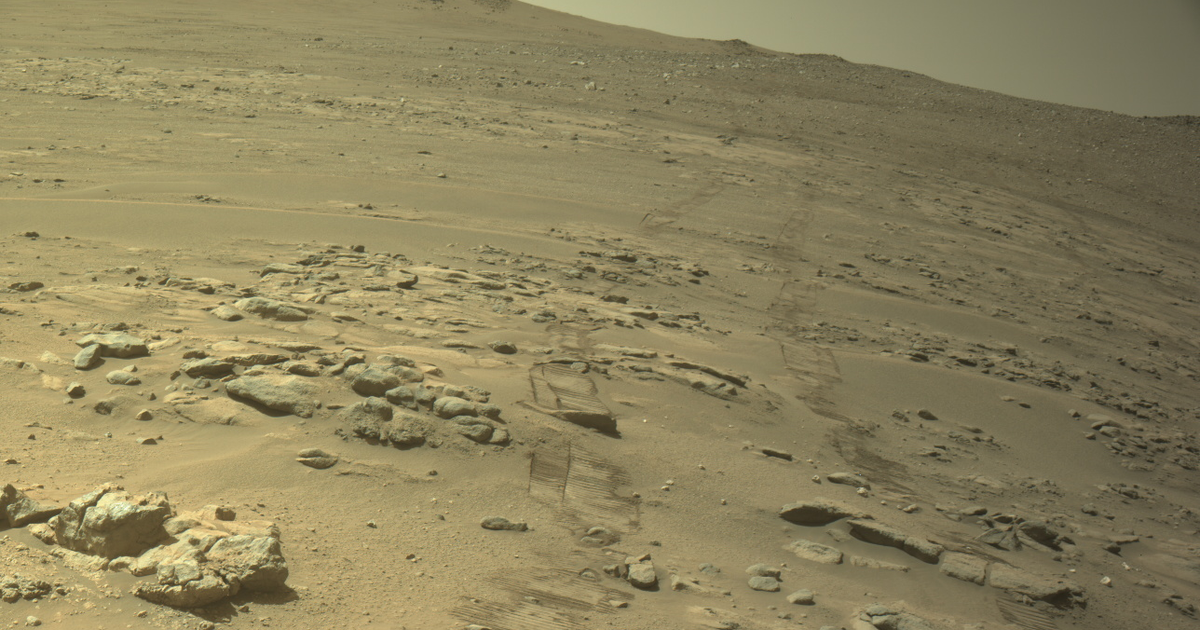

Elsewhere on the site
 Politics•3 min readJustice Department Threatens California Over Noncitizen Voters
 Business & Economy•3 min readReflecting Pool liner failed in 85 places
 Conflict & Security•3 min readTeacher Hassan Kariem died after falling from Six Flags roller coaster
 Politics•3 min readPope Leo recovering after lung cancer surgery